3180 Middle Rd, Columbus, IN 47203


If you have an upcoming appointment involving dental sedation, it’s completely normal to have questions before you arrive—especially one that seems simple but matters a lot:
Can I eat before my appointment?
The short answer? Sometimes yes, sometimes no—and it depends on the type of sedation you’re receiving.
That’s why it’s important to know your instructions before the day of your visit. Eating too close to sedation can affect your comfort, your safety, and even whether your procedure needs to be rescheduled.
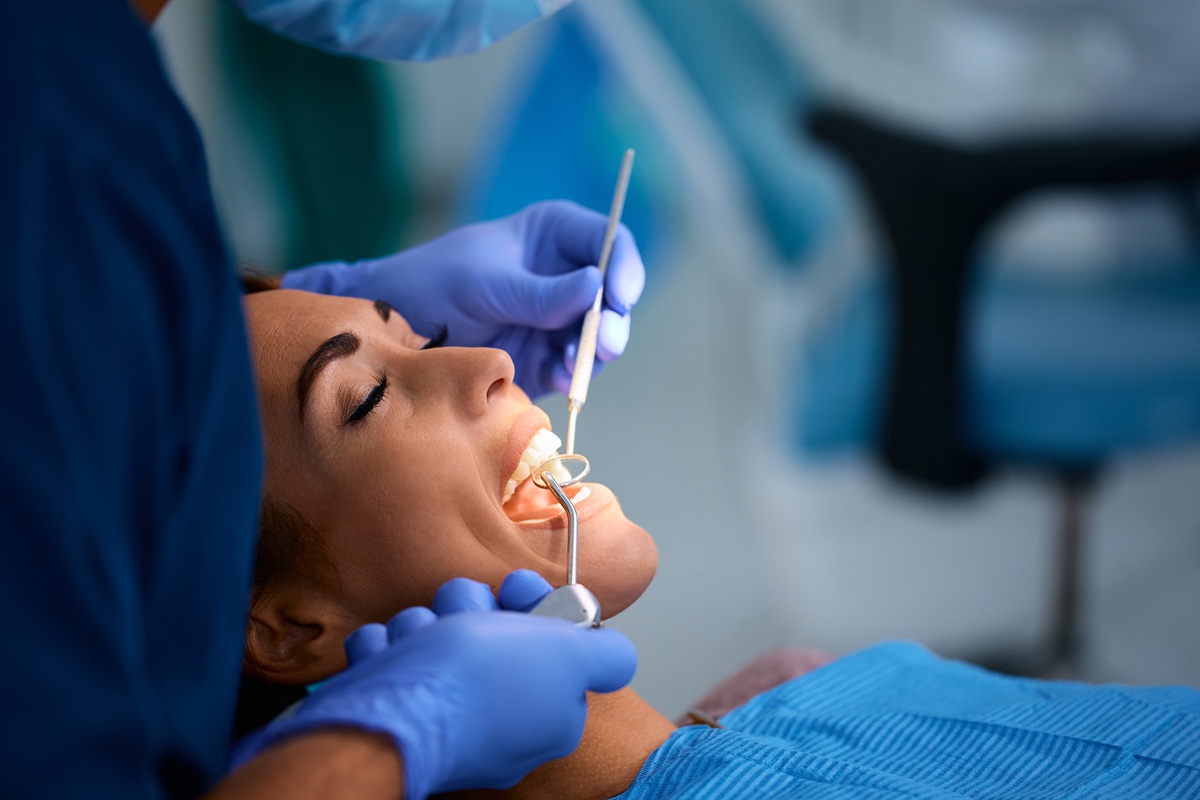
At Columbus Periodontics and Implants, patients often ask this during scheduling—and for good reason. Whether you’re coming in for periodontal care, implant treatment, or another procedure, knowing how to prepare can make your visit feel much easier from the start.
Why Eating Before Sedation Matters
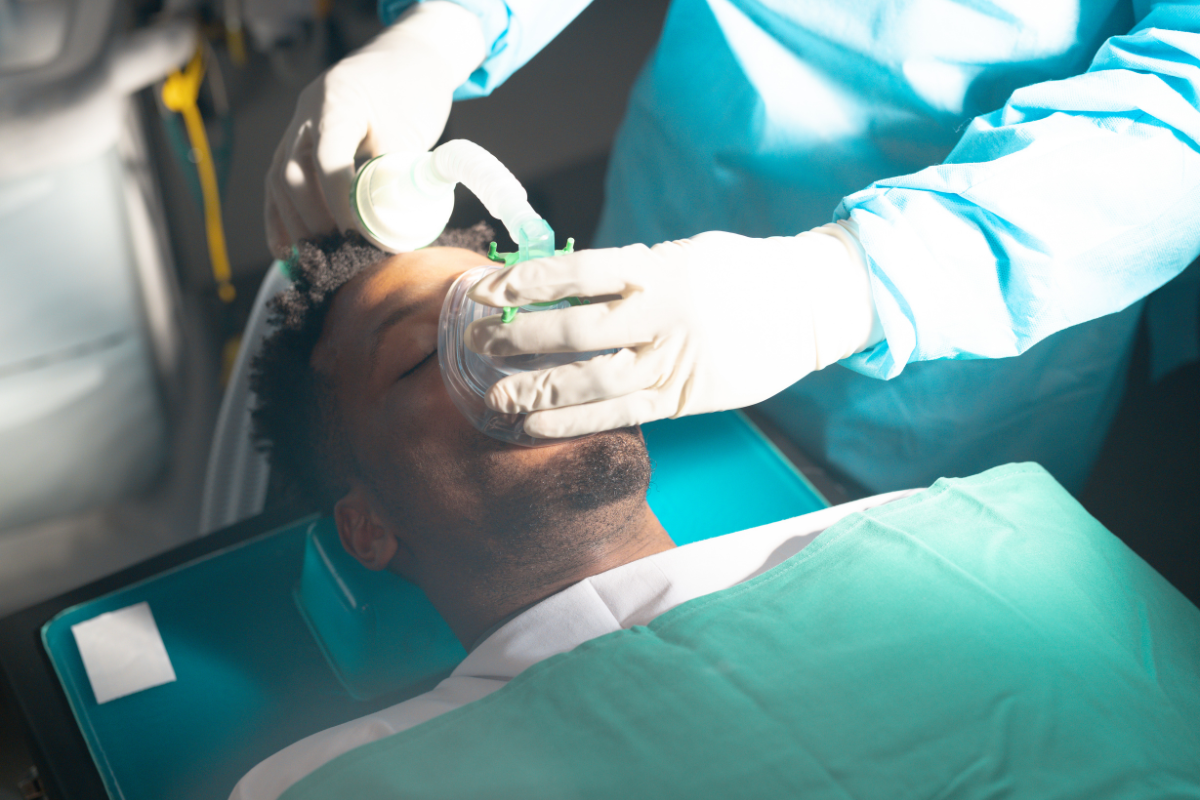
Dental sedation helps patients feel calm and comfortable during treatment. Depending on the level of sedation used, your body may react differently to food and drink beforehand.
In some cases, eating too close to your procedure can increase the risk of:
- Nausea during treatment
- Vomiting while sedated
- Aspiration (food or liquid entering the airway)
- Delays or cancellation of treatment
That’s why your care team will usually give you specific pre-op instructions based on your medical history and the type of sedation planned.
It Depends on the Type of Sedation
Not every sedation appointment comes with the same restrictions. Here’s a general breakdown.
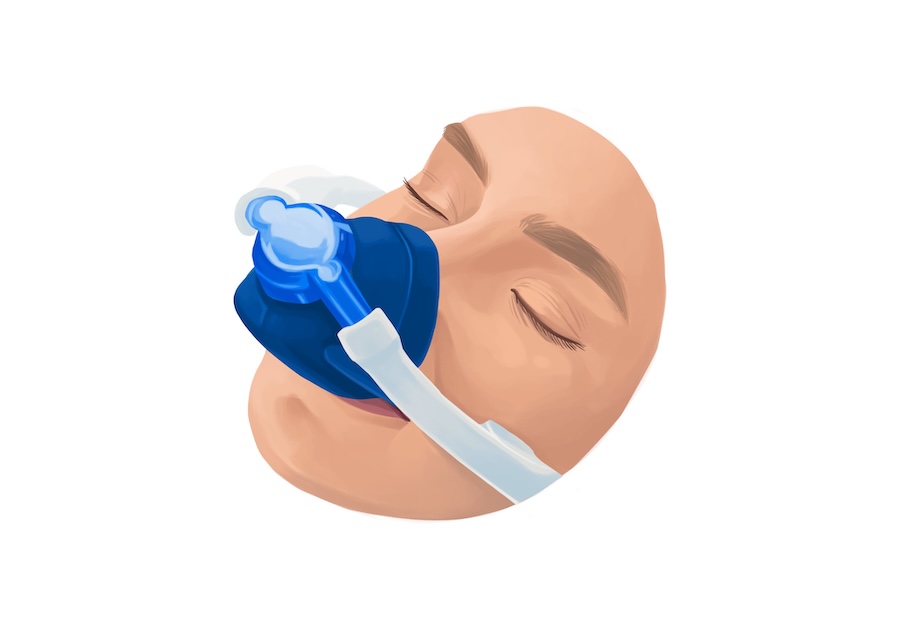
Nitrous Oxide (Laughing Gas)
Nitrous oxide is one of the mildest forms of dental sedation.
Many patients can eat a light meal beforehand. In fact, having something small in your stomach may help prevent nausea.
Good options might include:
- Toast
- Yogurt
- Oatmeal
- A banana
You’ll usually want to avoid:
- Heavy greasy foods
- Large meals
- Alcohol
Oral Sedation
If you’re taking a prescribed sedative pill before treatment, you may be asked not to eat for several hours beforehand.
This is because oral sedation can make you drowsy, and an empty stomach is often safer.
Your provider may also advise:
- No alcohol the night before
- Limited water with medication
- Having someone drive you to and from the appointment
IV Sedation
IV sedation often comes with the strictest fasting instructions.
Many patients are told not to eat anything for 6 to 8 hours before the procedure. Water may also be limited during a certain window before treatment.
These guidelines are there for your safety, so it’s important to follow them closely.
If you’re unsure—even if it’s just coffee or gum—call the office before your appointment.
What Can You Drink Before Your Appointment?
This depends on your sedation plan, but generally:
Often okay (if approved):
- Small sips of water
- Water to take approved medications
Usually avoid:
- Coffee
- Energy drinks
- Juice
- Milk
- Smoothies
- Alcohol
Even clear liquids may have a cut-off time before IV sedation, so it’s always worth checking your instructions.
Don’t Skip Important Medications Without Asking
This is a common concern for patients.
If you take medications for:
- Blood pressure
- Thyroid conditions
- Heart health
- Diabetes
…don’t assume you should stop them.
Your periodontist may want you to continue some medications with a sip of water. Others may need to be adjusted.
The best move? Call ahead if you’re unsure.
A Few Ways to Prepare the Night Before
A little prep can make the next day smoother.
Here are a few helpful reminders:
Get a good night’s sleep
Being well-rested can help ease nerves before treatment.
Wear comfortable clothing
Loose sleeves can be helpful if IV sedation is planned.
Arrange transportation
If you’ll be sedated beyond nitrous oxide, plan for someone to drive you home.
Skip alcohol and recreational substances
These can interfere with sedation medications.
Follow all eating instructions exactly
Even a small snack outside your instructions can affect your procedure.
What Happens After the Appointment?
Many patients are already thinking about the next meal before they arrive—and that’s fair.
When you can eat afterward depends on your treatment.
You may be advised to stick with softer foods such as:
- Mashed potatoes
- Scrambled eggs
- Soup
- Yogurt
- Smoothies (without a straw if instructed)
- Applesauce
If you’re having implant placement or periodontal surgery, your recovery instructions may include temporary food restrictions while the area heals.
The team will walk you through everything before you leave.
A Note for Columbus Patients
Dental visits can feel stressful enough without worrying whether you ate the wrong thing that morning.
That’s why clear communication matters.
Patients visiting Columbus Periodontics and Implants from around Worthington, Upper Arlington, Dublin, and surrounding neighborhoods often tell us that having a clear checklist beforehand makes them feel much more relaxed walking into treatment.
If you’re scheduled for sedation dentistry in Columbus, it’s always okay to ask questions before your appointment—whether it’s about food, medications, or what recovery will look like after you get home.
Have Questions Before Your Visit? We’re Happy to Help.
Every patient is a little different, which means pre-appointment instructions can vary too.
If you’re unsure whether you can eat, drink, or take medication before your procedure, don’t guess.
Reach out to the team at Columbus Periodontics and Implants before your visit. Getting answers ahead of time can help your appointment feel easier, safer, and far less stressful.
Whether you’re preparing for gum treatment, dental implants, or sedation dentistry in Columbus, the goal is the same: helping you feel comfortable and confident every step of the way.
Contact us to schedule an appointment or speak with the team before your procedure.
Frequently Asked Questions
Can I drink coffee before my sedation appointment?
Usually it’s best to avoid coffee unless your provider says otherwise. Caffeine can interfere with sedation and may upset your stomach.
What if I accidentally ate before my appointment?
Call the office as soon as possible. Depending on timing and the sedation type, your appointment may still be possible—or it may need to be adjusted.
Can I chew gum before dental sedation?
Generally no. Gum can increase stomach activity and is usually not recommended before sedation.
Can I brush my teeth before my appointment?
Yes. Unless you’re told otherwise, brushing and flossing are encouraged before your visit.
Will I need someone to drive me home?
If you’re receiving oral sedation or IV sedation, yes—plan on having a responsible adult bring you home afterward. Nitrous oxide may not require this, depending on your treatment plan.