3180 Middle Rd, Columbus, IN 47203

Rebuilding Jawbone & Gum Support for Long-Term Oral Health
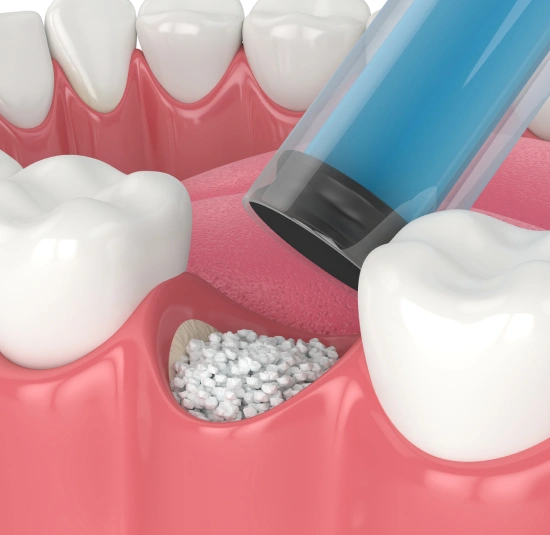
A bone graft procedure is typically used to rebuild and strengthen the jawbone when there isn’t enough natural bone to support a dental implant. During the procedure, we place bone tissue into the area that needs additional support. Over time, this graft helps your body regenerate new bone tissue. Bone grafting creates a strong, stable foundation for implants and improves overall oral health and function. Interested in learning more? Contact us today!
Schedule Your Bone Grafting Consultation
What Are the Benefits of Bone Grafts
Bone grafts offer several important benefits:
- Provide a strong foundation for dental implants
- Restore facial structure and support surrounding teeth
- Prevent bone loss in the jaw after tooth removal
- Improve appearance and functionality of your smile
- Help ensure the long-term success of implant treatment
Are Bone Grafts Always Needed Before Dental Implant Placements
Bone grafts are not always necessary before getting dental implants. If you have enough healthy jawbone to support the implant, grafting may not be needed. However, if bone loss has occurred due to missing teeth, gum disease, or injury, a bone graft may be recommended. We’ll take digital images and evaluate your bone density during your consultation to determine whether a graft is required before placing your implant.
When Can I Get a Dental Implant Placement After Receiving a Bone Graft
The timing for placing a dental implant after a bone graft depends on how much bone was added and how your body heals. In most cases, it takes about three to six months for the grafted bone to fully integrate with your jaw and become strong enough to support an implant. We’ll monitor your healing with exams and X-rays and let you know when the area is ready for the next step in your treatment.
Frequently Asked Questions
Q.
How do I know if I need bone or tissue grafting?
Bone or tissue grafting may be recommended if you have bone loss from gum disease, missing teeth, or long-term tooth loss. It’s often needed to create a stable foundation for dental implants.
Q.
How long after bone grafting can I get dental implants?
Healing time varies, but many patients are ready for implant placement within a few months. Your periodontist will monitor healing and determine the ideal timing for long-term success.
Q.
What materials are used for bone and tissue grafting?
Depending on your needs, grafting may use natural bone, donor material, or biocompatible synthetic materials. We select the safest and most effective option for your situation.
Q.
Is bone and tissue grafting painful?
The procedure is performed with anesthesia, and sedation options are available for added comfort. Most patients experience mild soreness afterward that is manageable with medication.
Q.
Can bone grafting fail?
While grafting procedures have high success rates, factors like smoking, uncontrolled medical conditions, or poor oral hygiene can affect healing. We review your health history carefully to minimize risks.
Q.
Does insurance cover bone or tissue grafting?
Coverage depends on your dental insurance plan and the reason for treatment. Our team can help review benefits and explain estimated costs before treatment begins.