3180 Middle Rd, Columbus, IN 47203

When you hear “bone loss” in the context of gum disease, it can sound scary — and understandably so. Bone that supports your teeth is literally what keeps them rooted in place. But here’s the good news: modern periodontal therapy isn’t just about cleaning your teeth — it’s about actively helping preserve your bone and protect your smile.
At Columbus Periodontics & Implants, Dr. Katherine E. Ferry frequently discusses how LANAP (Laser Assisted New Attachment Procedure) fits into that picture. If you’re wondering whether LANAP really helps with bone loss — and how it compares with traditional treatment — here’s a clear, patient‑focused explanation.
First — What Do We Mean by Bone Loss?
Bone loss in the jaws doesn’t happen overnight. It’s usually the result of periodontal (gum) disease, a bacterial inflammation that starts in the gums and gradually progresses deeper into the tissues that support your teeth. As periodontal disease worsens, the bacteria and the body’s response to them can erode bone around the roots of your teeth.
Left untreated, that bone loss can eventually lead to loose teeth or even tooth loss.
That’s where periodontal therapy comes in — not just to reduce gum inflammation, but to stop bone loss in its tracks and, in many cases, set the stage for healing.
How LANAP Works
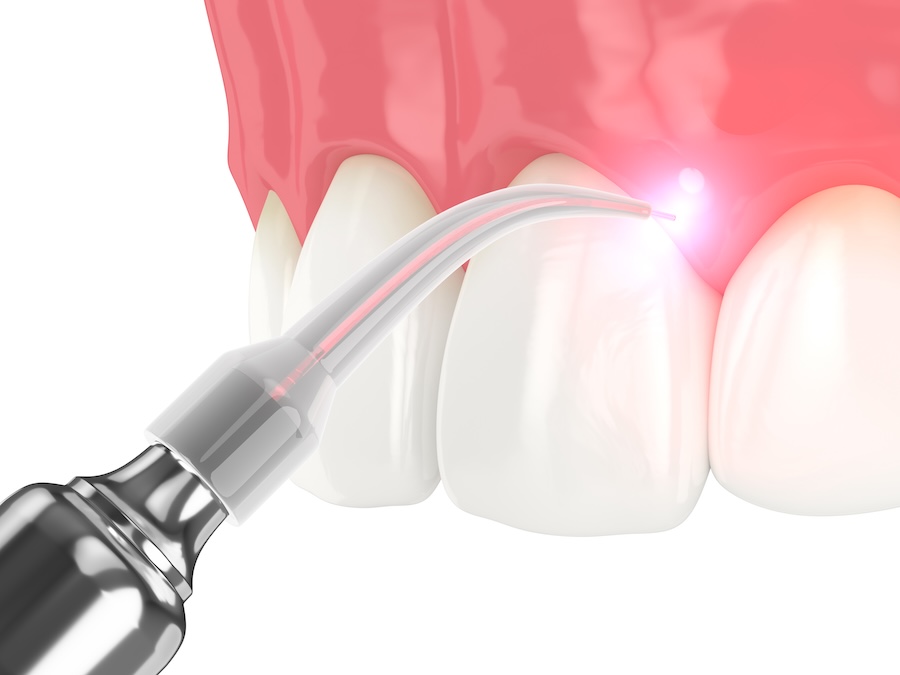
LANAP stands for “Laser Assisted New Attachment Procedure.” It’s a laser‑based periodontal treatment that uses a specialized dental laser to target diseased gum tissue while preserving as much healthy tissue as possible.
Here’s what happens in a LANAP treatment:
- A precise dental laser removes the infected tissue deep around the tooth roots.
- The laser energy also helps kill bacteria lurking beneath the gumline.
- Because the laser spares healthy tissue and doesn’t rely on cutting with a scalpel, most patients experience less discomfort, swelling, and bleeding.
- The procedure encourages the gum to reattach to the tooth root — which can create a healthier environment around the implant or natural tooth.
By eliminating disease and allowing the gum to re‑seal better around the tooth, LANAP creates conditions that help the natural bone support stabilize instead of continuing to recede.
So — Does LANAP “Grow” New Bone?
Here’s where language matters. LANAP isn’t a bone‑grafting procedure, so it doesn’t directly create new bone in the way that a graft does. However, what it does is significantly important:
Stopping Further Bone Loss
By effectively removing the disease that caused the bone loss in the first place, LANAP prevents the condition from getting worse. That alone is a major win — because once periodontal disease has set in, continued bone deterioration is often what leads to tooth mobility or loss.
Creating an Environment Where Healing Can Happen
Once the infection and inflammation are controlled, the body can begin to stabilize the bone and tissues around the teeth. In some cases, this stabilization can be accompanied by partial regeneration, especially when combined with proper oral hygiene and, if needed, adjunctive therapies
(like bone‑stimulating procedures or grafts).
So to answer the question directly: LANAP helps stop bone loss and can support your body’s own healing processes — but it isn’t a substitute for regenerative bone grafting when that is specifically needed.
Why This Matters for Your Smile
Many people think periodontal therapy is just about “deep cleaning” gums — but the real goal is to protect the underlying support structures of your teeth. Once infection gets into the bone, traditional scrubbing with hand instruments (even deep scaling) may not reach all of the diseased tissue. LANAP’s laser can access deeper pockets more precisely, which:
- Reduces the bacterial load more effectively
- Encourages better gum reattachment
- Reduces pocket depth where bacteria thrive
- Helps create a more stable environment for bone and connective tissue
By checking all those boxes, LANAP is often a smarter, less invasive choice than traditional surgery for many patients — especially if your goal is to preserve what bone you have left and give your tissues the best chance to recover.
What to Expect at Your Appointment
LANAP isn’t a one‑and‑done quick fix — it’s a clinical procedure that requires careful assessment and planning.
When you come to Columbus Periodontics & Implants, Dr. Ferry will:
- Evaluate your periodontal health with probing measurements and imaging
- Discuss whether LANAP is appropriate for your specific pattern of bone loss
- Explain what you can expect during and after treatment
- Customize a plan that may include post‑LANAP home care or additional therapies (if needed)
Most patients describe the experience as comfortable and manageable, especially compared to more invasive surgical approaches. Some sensitivity afterward is typical, but because LANAP minimizes trauma to healthy tissue, recovery tends to be smoother and quicker.
LANAP and Long‑Term Success — It’s a Partnership
Even the best periodontal procedure can’t succeed on its own. LANAP sets the stage by removing infection and allowing tissues to heal — but your ongoing oral care after the procedure is what keeps bone loss at bay.
That means:
- Consistent brushing and interdental cleaning
- Regular periodontal checkups & cleaning appointments
- Managing risk factors like smoking or uncontrolled diabetes
- Monitoring any areas that were previously affected
Your body has an impressive capacity for healing when disease is eliminated and the environment is right — and LANAP is one of the tools that helps make that possible.
LANAP and Bone Health at Columbus Periodontics & Implants
If you’ve been told you have bone loss due to gum disease and want a treatment that goes beyond “maintenance,” LANAP might be the next logical step. At Columbus Periodontics & Implants, Dr. Katherine E. Ferry will help you understand not just what the procedure is, but why it’s worth considering based on your unique situation.
Call Columbus Periodontics & Implants in Columbus, IN today to schedule your consultation and learn if LANAP could help protect your bone support — and ultimately, your smile.