3180 Middle Rd, Columbus, IN 47203

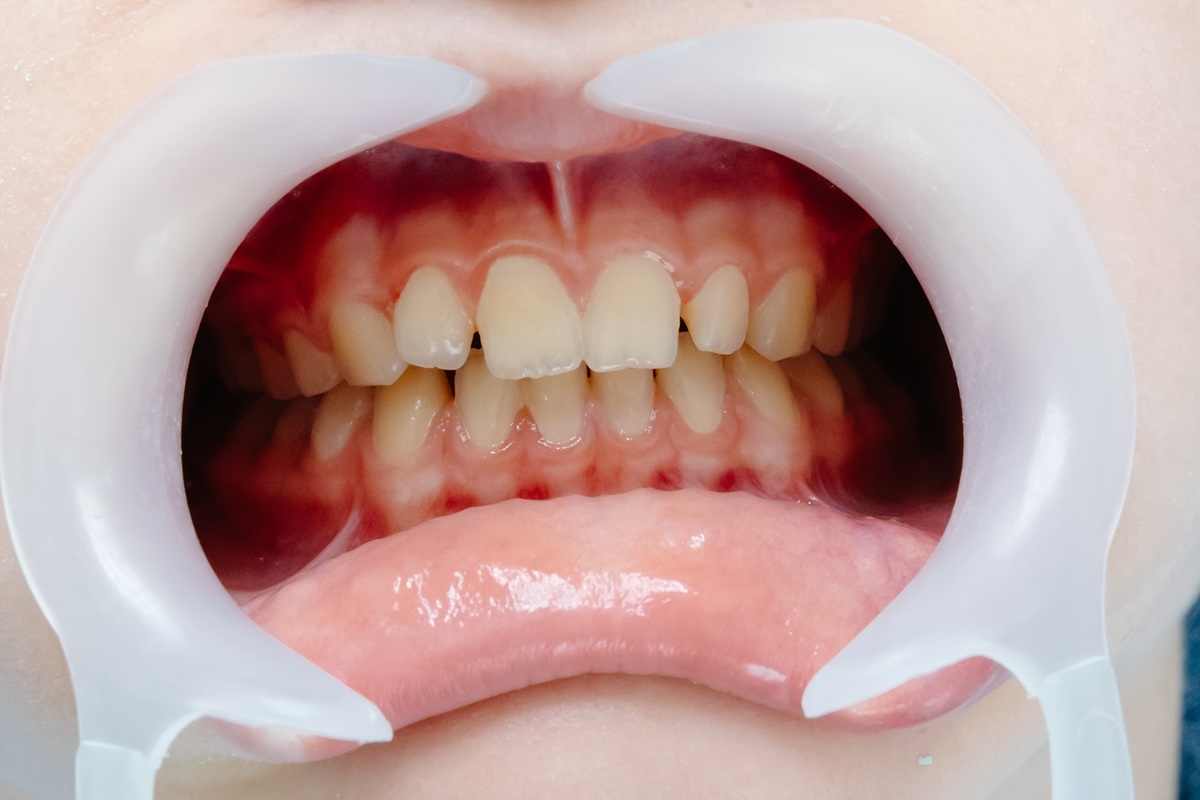
Gum health often takes a back seat—until something feels off. Maybe your gums bleed when you brush, or your breath doesn’t feel as fresh as it used to. These small warning signs can point to something bigger: gum disease.
The good news? Gum disease doesn’t happen overnight. It progresses in stages, and when caught early, it’s highly manageable. At Columbus Periodontics and Implants, we see patients from all across the Columbus area who didn’t realize their symptoms were part of a larger issue. Understanding the stages can help you act before serious damage occurs—and that’s where professional gum disease treatment becomes essential.
Let’s break it down in a simple, practical way.
Stage 1: Gingivitis – The Early Warning Sign
This is the mildest and most common stage of gum disease. At this point, the damage is still reversible.
Common symptoms:
- Red or swollen gums
- Bleeding while brushing or flossing
- Mild bad breath
- Gum tenderness
Gingivitis is usually caused by plaque buildup along the gumline. If you’ve skipped a few dental cleanings or rushed through your brushing routine, bacteria can start to irritate the gums.
Treatment options:
- Professional dental cleaning
- Improved brushing and flossing habits
- Antibacterial mouthwash
Many Columbus residents with busy schedules—whether commuting downtown or juggling family life—delay routine care, which allows gingivitis to develop quietly.
Stage 2: Early Periodontitis – When Damage Begins
If gingivitis isn’t treated, it progresses into periodontitis. This is where the condition becomes more serious.
What’s happening?
The bacteria begin to move below the gumline, creating pockets between your teeth and gums. These pockets trap more bacteria, making the infection harder to control.
Symptoms to watch for:
- Persistent bad breath
- Gums pulling away from teeth
- Slight bone loss (not visible, but detectable by a dentist)
- Increased sensitivity
Treatment options:
- Scaling and root planing (deep cleaning)
- Regular periodontal maintenance visits
- Targeted antibacterial treatments
At this stage, seeking timely gum disease treatment can prevent long-term damage and avoid more invasive procedures later.
Stage 3: Moderate Periodontitis – Progression and Discomfort
By this stage, the infection is more aggressive. The body’s immune response starts to break down bone and connective tissue that support your teeth.
Symptoms:
- Noticeable gum recession
- Loose or shifting teeth
- Pain when chewing
- Pus between teeth and gums
- Increased bleeding
Daily activities—like enjoying a meal at your favorite Short North restaurant or sipping coffee—can become uncomfortable.
Treatment options:
- Advanced deep cleaning procedures
- Localized antibiotic therapy
- Ongoing periodontal monitoring
- Possible minor surgical intervention
This is often when patients finally seek care, as symptoms become difficult to ignore.
Stage 4: Advanced Periodontitis – Severe Damage
This is the most serious stage and can lead to tooth loss if not treated promptly.
What to expect:
- Significant bone loss
- Loose teeth or teeth falling out
- Severe gum recession
- Chronic pain or infection
At this point, the focus shifts to saving remaining teeth and restoring oral health.
Treatment options:
- Periodontal surgery
- Bone grafting
- Dental implants
- Regenerative procedures
Columbus Periodontics and Implants specializes in advanced care solutions, helping patients regain both function and confidence.
Why Early Treatment Matters
Gum disease doesn’t just affect your mouth—it’s linked to overall health conditions like heart disease and diabetes. Catching it early means:
- Less invasive treatment
- Lower cost over time
- Better long-term oral health
- Preserving your natural teeth
With access to experienced specialists locally, patients don’t need to travel far for high-quality care.
Everyday Habits That Protect Your Gums
Prevention is always easier than treatment. Here are simple habits that make a big difference:
- Brush twice daily with a soft-bristled toothbrush
- Floss at least once a day
- Don’t skip routine dental visits
- Quit smoking or tobacco use
- Maintain a balanced diet
Seasonal allergies, common in Ohio, can also affect oral health by causing dry mouth—so staying hydrated is important too.
When Should You See a Specialist?
You should schedule a visit if you notice:
- Bleeding gums that don’t improve
- Persistent bad breath
- Loose teeth
- Gum recession
- Pain while chewing
Even mild symptoms are worth checking. Early diagnosis can save you from complex treatments later. If you’re noticing any of these signs or simply want peace of mind, don’t wait—reach out to us today. Contact us to schedule your consultation and get personalized care you can trust.
Take the First Step Toward Healthier Gums
Ignoring gum symptoms won’t make them go away—but taking action early can make all the difference. Whether you’re dealing with mild irritation or advanced issues, expert care is available close to home.
If you’ve noticed changes in your gums, now is the time to act. The team at Columbus Periodontics and Implants is here to guide you with personalized care and proven solutions for gum disease treatment in Columbus.
Your smile—and your health—are worth it.
Frequently Asked Questions
1. Can gum disease go away on its own?
No. While early gingivitis can improve with better hygiene, professional care is usually needed to fully resolve it.
2. Is treatment painful?
Most treatments are comfortable, especially with modern techniques. Mild soreness may occur, but it’s manageable.
3. How long does treatment take?
It depends on the stage. Early cases may resolve in a few visits, while advanced cases require ongoing care.
4. Is gum disease common?
Yes—many adults experience some form of it, often without realizing it.
5. Can I prevent it completely?
While not always preventable, consistent oral care and regular dental visits greatly reduce your risk.