3180 Middle Rd, Columbus, IN 47203

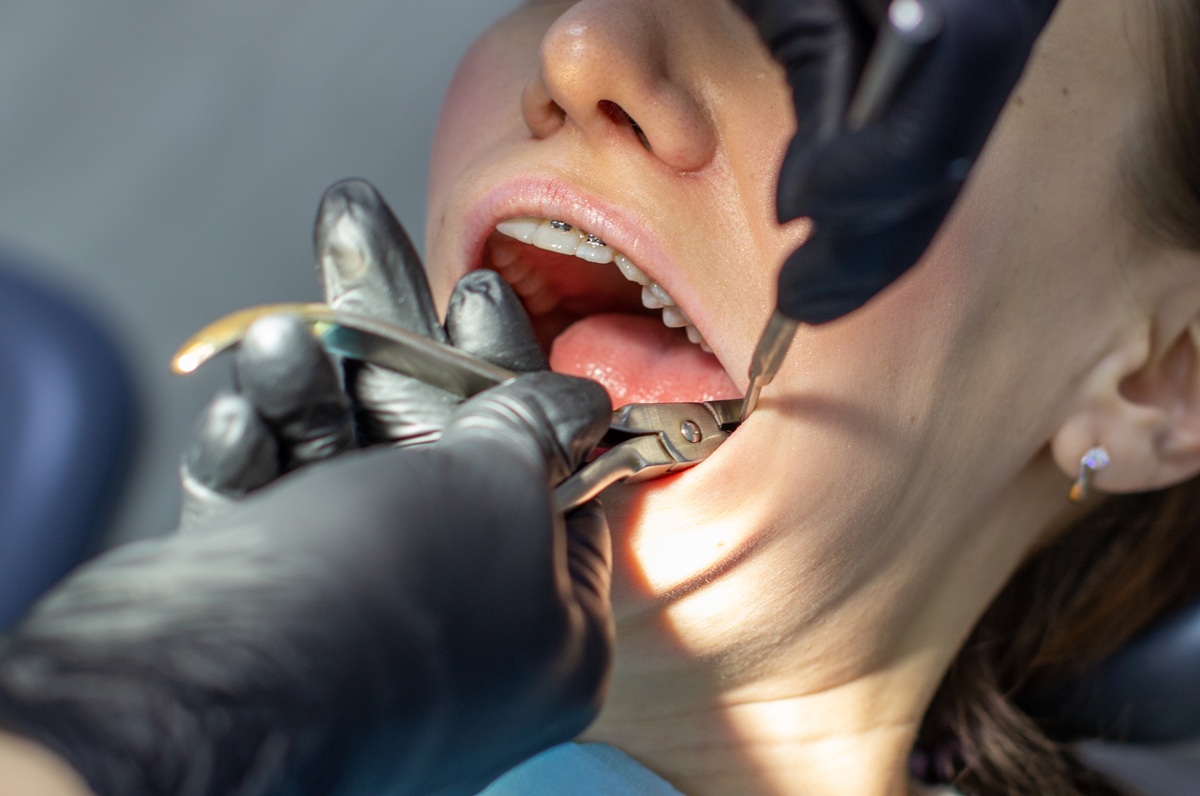
A dull ache at the back of your jaw. Swelling that doesn’t quite go away. Or a tooth that never fully erupts but keeps causing trouble. These are common signs of impacted teeth—especially wisdom teeth—and they often require more than a simple extraction.
At Columbus Periodontics and Implants, we regularly see patients who waited, hoping the discomfort would settle on its own. In many cases, the issue lies beneath the surface, where the tooth is trapped in the gums or bone. That’s where a surgical approach becomes necessary.
Don’t wait for the discomfort to worsen—schedule a consultation with us today and get the right care at the right time.
Let’s break down what that means—and what you should expect.
What Is an Impacted Tooth?
An impacted tooth is one that doesn’t have enough room to emerge properly or is blocked by surrounding teeth. It may be:
- Fully trapped beneath the gums
- Partially erupted (which often leads to infection)
- Growing at an angle against adjacent teeth
Wisdom teeth are the most common culprits, but canines and other teeth may also become impacted.
When Is Surgical Extraction Needed?
Not every tooth removal is straightforward. Surgical extraction is typically recommended when:
- The tooth is below the gum line
- It is stuck in the jawbone
- It has curved or complex roots
- It is causing pain, swelling, or infection
- It is damaging nearby teeth
Why Impacted Teeth Shouldn’t Be Ignored
It’s easy to put off treatment, especially if the pain comes and goes. But impacted teeth can lead to:
- Persistent infections
- Gum disease around the area
- Cysts or damage to surrounding bone
- Shifting of nearby teeth
In a city like Columbus, where busy schedules and long workdays are the norm, dental concerns often take a back seat. But early intervention can prevent more complex procedures later.
What Happens During the Procedure?
Understanding the process can ease a lot of anxiety. Here’s a simple breakdown:
1. Examination and Imaging
Your periodontist will assess the tooth using digital X-rays or 3D scans to understand its position.
2. Anaesthesia or Sedation
Depending on complexity, local anaesthesia or sedation options are used to keep you comfortable.
3. Accessing the Tooth
A small incision is made in the gum. In some cases, a small amount of bone is removed to reach the tooth.
4. Tooth Removal
The tooth may be removed in sections to minimise impact on surrounding tissue.
5. Closure and Recovery
The area is cleaned, and stitches may be placed to aid healing.
Recovery: What to Expect
Healing is usually smooth when post-operative instructions are followed. Most patients return to normal routines within a few days.
Common after-effects:
- Mild swelling
- Slight discomfort
- Temporary difficulty opening the mouth fully
Helpful recovery tips:
- Apply ice packs in the first 24 hours
- Stick to soft foods for a few days
- Avoid smoking or using straws
- Keep the area clean as instructed
How Surgical Extraction Differs from a Simple Extraction
| Simple Extraction | Surgical Extraction |
|---|---|
| Tooth is visible | Tooth is impacted or not fully visible |
| No incision needed | Requires gum incision |
| Quick procedure | More precise, step-by-step approach |
| Minimal recovery | Slightly longer healing time |
Local Insight: Why Timing Matters
Many Columbus residents juggle demanding routines—commuting, family commitments, and work responsibilities. It’s common to delay dental visits until discomfort becomes unavoidable.
But here’s the reality: impacted teeth rarely resolve on their own. Addressing the issue early can mean a simpler procedure and faster recovery.
Signs You Shouldn’t Ignore
If you notice any of the following, it’s worth getting evaluated:
- Pain at the back of the mouth
- Swollen or bleeding gums
- Jaw stiffness or difficulty opening your mouth
- Bad breath that doesn’t improve
- A partially visible tooth causing irritation
A Thought to Leave You With
Dental issues have a way of starting small and growing quietly. An impacted tooth might not seem urgent today—but left untreated, it can lead to more serious concerns.
If something feels off, it’s worth getting it checked. Even mild symptoms are worth attention.
At Columbus Periodontics and Implants, we’re here to help you make informed decisions about your oral health—comfortably and confidently.
Schedule your consultation today and take the first step toward relief.
Frequently Asked Questions
1. Is surgical tooth extraction painful?
No. With modern anaesthesia and sedation options, the procedure itself is comfortable. You may feel mild soreness afterward, which is manageable.
2. How long does recovery take?
Most patients recover within 3–7 days, though full healing may take a couple of weeks.
3. Will I need sedation?
It depends on the complexity of the case and your comfort level. Your periodontist will guide you.
4. Are there risks involved?
Like any procedure, there are minor risks such as swelling or infection, but these are rare when performed by experienced specialists.
5. Can I go back to work the next day?
Many patients do, especially for less complex cases. However, taking a day or two off is often recommended.
Related Articles