3180 Middle Rd, Columbus, IN 47203

If you’ve ever noticed your teeth looking longer or felt increased sensitivity when eating something hot or cold, you might be dealing with gum recession. It’s more common than people think—and it doesn’t just affect your smile, but your overall oral health too.
At Columbus Periodontics and Implants, we often meet patients who are surprised to learn that gum tissue doesn’t grow back on its own. The good news? Modern gum grafting procedures can restore both function and appearance, often with natural-looking results.
Let’s break down the different types of gum grafting procedures so you can better understand your options—and if something feels off, don’t wait. Schedule a consultation today to protect your smile before the problem progresses.
What Is Gum Grafting?
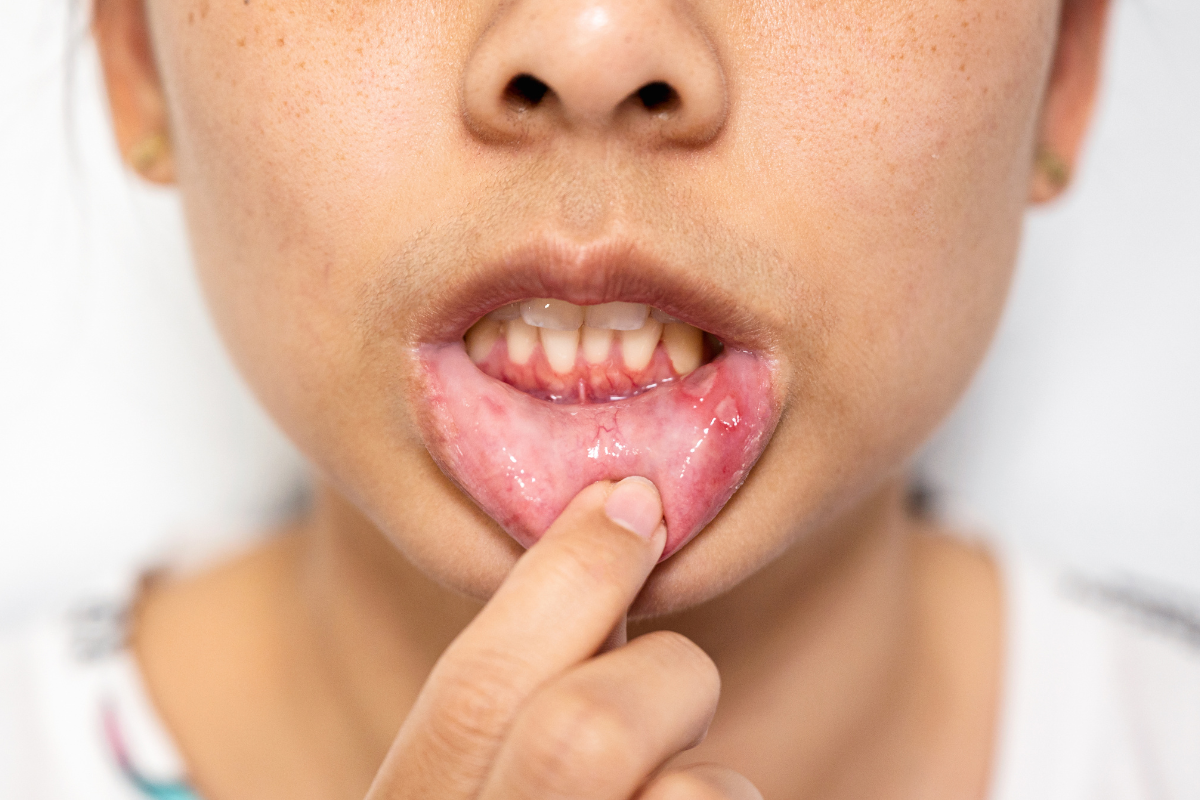
Gum grafting is a dental procedure used to cover exposed tooth roots caused by receding gums. This helps reduce sensitivity, protect the roots from decay, and improve the overall look of your smile.
If you’ve been researching gum grafting, chances are you’re already aware that early treatment can prevent more complex issues later on.
Why Do Gums Recede?
Before diving into the procedures, it helps to understand the cause. Gum recession can happen due to:
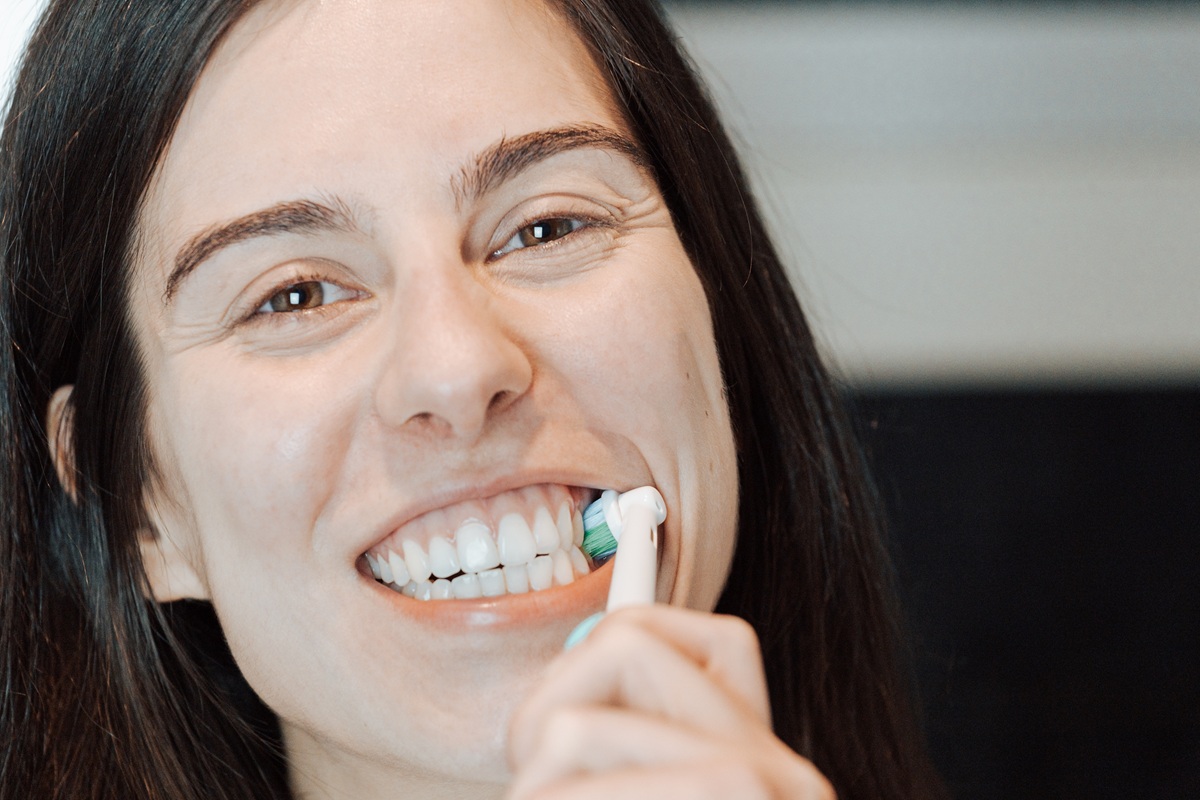
- Aggressive brushing habits
- Gum disease (periodontal disease)
- Genetics
- Teeth grinding or clenching
- Misaligned teeth
Many patients in Columbus lead busy lives—between work, commuting, and family responsibilities, small symptoms like sensitivity or bleeding gums can go unnoticed until they become more serious.
Types of Gum Grafting Procedures
Not all gum grafts are the same. The right option depends on your specific condition, the severity of recession, and your overall oral health.
1. Connective Tissue Graft (Most Common)
This is the most widely used technique.
- Tissue is taken from beneath the surface of the roof of your mouth
- It’s placed over the exposed root
- The top layer is stitched back in place
Why it’s preferred:
It blends naturally with your existing gums and has a high success rate.
2. Free Gingival Graft
This method is similar but slightly different.
- Tissue is taken directly from the roof of your mouth (not beneath the surface)
- It’s placed onto the affected area
Best for:
Patients with thin gums who need to build more tissue rather than just cover exposed roots.
3. Pedicle Graft
This procedure uses tissue from your own gums near the affected tooth.
- A flap of gum tissue is partially cut and repositioned
- It remains attached at one end to maintain blood supply
Ideal for:
Patients who already have enough healthy gum tissue nearby.
4. Donor Tissue Graft (Allograft)
In some cases, donor tissue is used instead of taking tissue from your own mouth.
- Eliminates the need for a second surgical site
- Reduces discomfort and healing time
Why patients choose it:
Less invasive and often more comfortable during recovery.
What to Expect During the Procedure
Gum grafting is typically done under local anesthesia, making the process comfortable and manageable.
Here’s what the experience usually looks like:
- A thorough examination and treatment planning
- Numbing of the area
- Placement of graft tissue
- Suturing to secure the graft
- Post-procedure care instructions
Most procedures are completed in one visit.
Recovery and Healing
Healing is an important part of the process. While recovery varies from person to person, most patients can expect:
- Mild discomfort for a few days
- Soft food diet temporarily
- Avoiding brushing near the graft site initially
- Full healing within a few weeks
Following your periodontist’s instructions plays a huge role in the success of the procedure.
Signs You Might Need a Gum Graft
If you’re unsure whether this treatment is right for you, look out for these signs:
- Tooth sensitivity (especially to temperature)
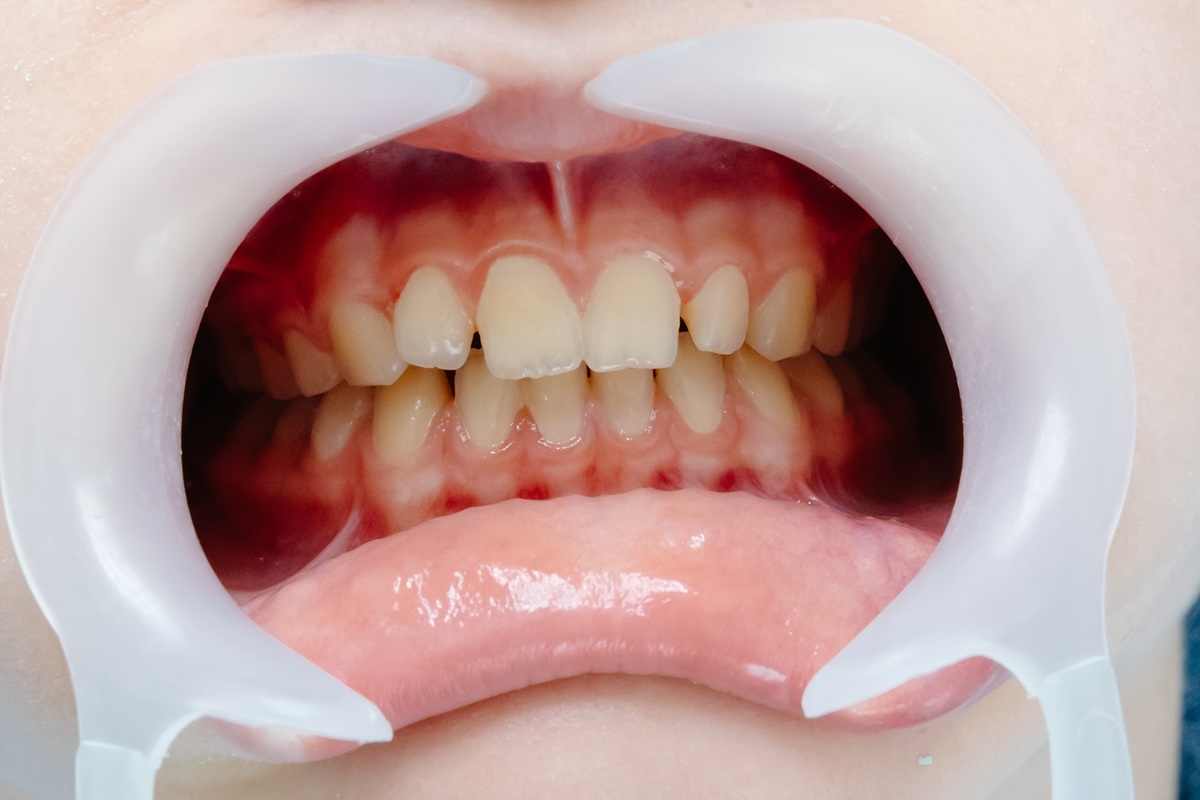
- Teeth appearing longer than before
- Visible roots
- Notching near the gum line
- Bleeding or inflamed gums
Even mild symptoms are worth checking. Early diagnosis can help you avoid more invasive treatments down the line.
Why Timely Treatment Matters
Ignoring gum recession can lead to:
- Increased risk of tooth decay
- Bone loss around teeth
- Tooth mobility
- Eventual tooth loss
Choosing timely care—especially from a specialist—can make a significant difference in both your oral health and confidence.
Take the Next Step Toward Healthier Gums
Gum recession doesn’t have to be something you live with. Whether you’re dealing with sensitivity or simply want to restore your smile, modern techniques make treatment more effective and comfortable than ever.
At Columbus Periodontics and Implants, we focus on personalized care—helping you choose the right procedure based on your needs, not a one-size-fits-all solution.
If you’re considering gum grafting in Columbus, now is the time to take action. Schedule a consultation today and get expert guidance tailored to your smile.
Frequently Asked Questions
Is gum grafting painful?
Most patients report minimal discomfort. Local anesthesia ensures the procedure itself is pain-free, and recovery is manageable with medication.
How long does the procedure take?
Typically 1–2 hours, depending on the number of teeth being treated.
Are the results permanent?
With proper oral hygiene and regular checkups, results can last for many years.
Will it improve the appearance of my smile?
Yes, gum grafting can create a more balanced and natural-looking gum line.
Is it covered by insurance?
In many cases, yes—especially when it’s medically necessary. It’s best to check with your provider.