3180 Middle Rd, Columbus, IN 47203

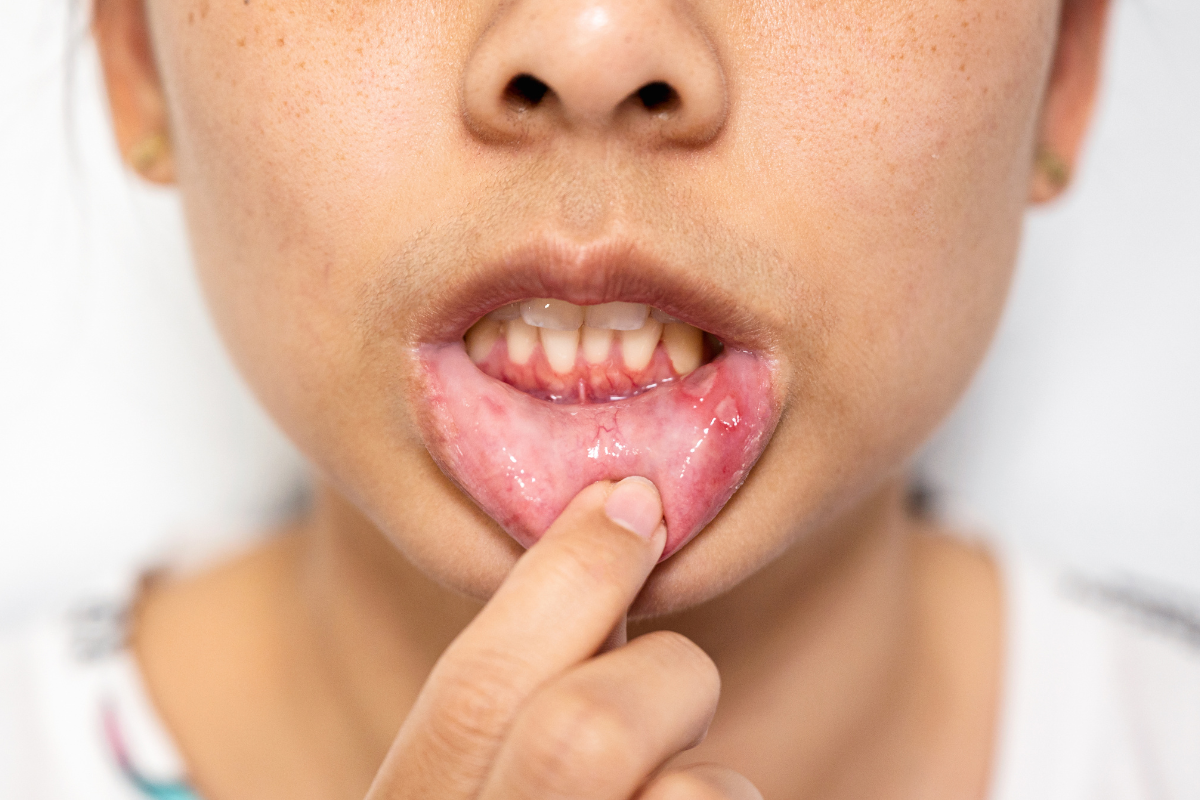
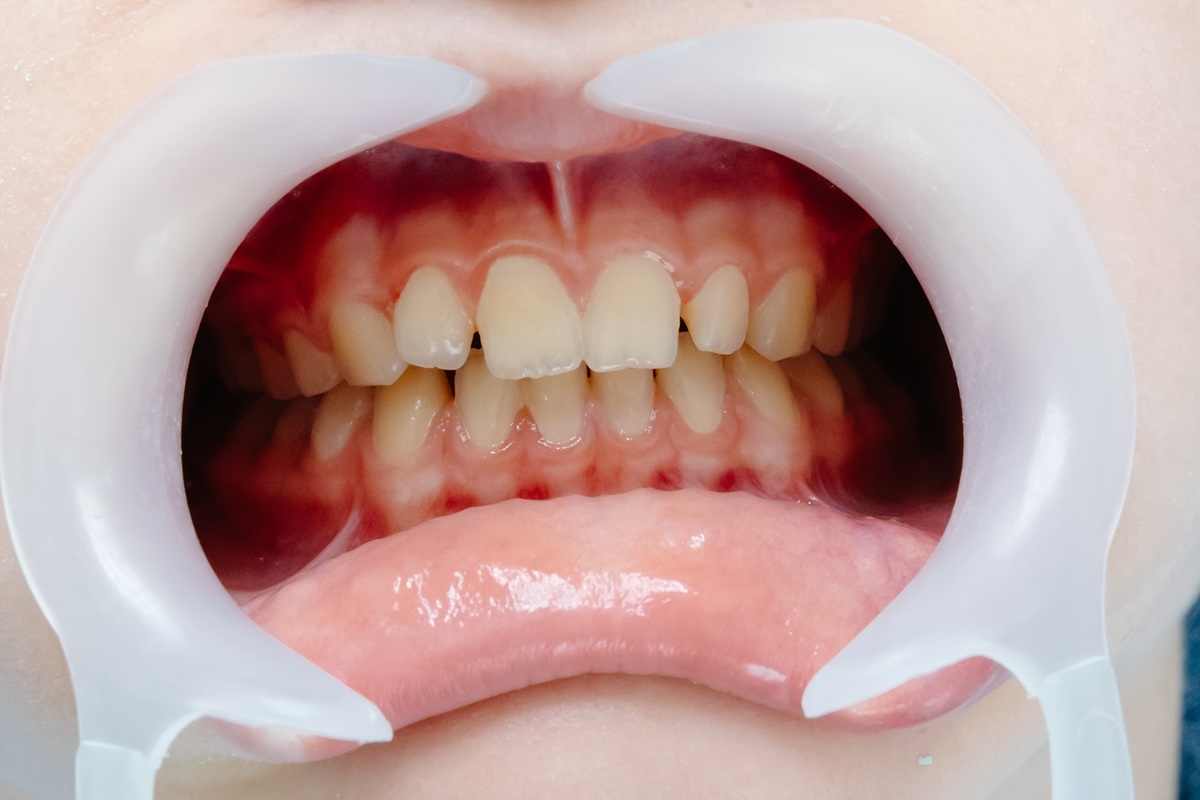
Look closely in the mirror at your gumline. Do your teeth look a little longer than they used to? Is there a spot where the pink tissue seems to be pulling away, showing more of the tooth than before?
That’s not just a cosmetic change. It’s your gums receding, and it usually doesn’t reverse on its own.
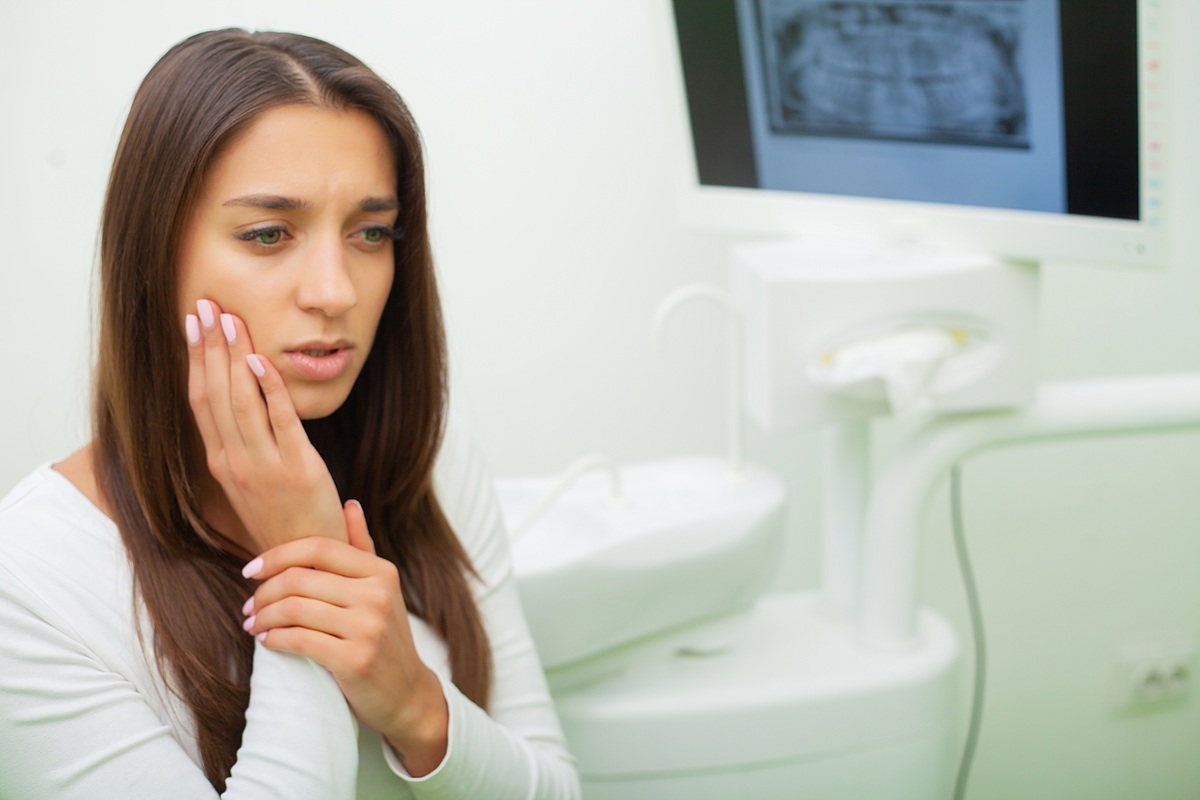
Maybe a cold drink now sends a sharp zing through one tooth. Maybe you’ve started avoiding certain foods. Maybe you just feel a little less confident smiling in photos lately.
If this sounds familiar, you’re not alone, and you’re not without options.
This is where gum grafting in Columbus patients rely on becomes a real solution, not just a cosmetic fix, but a way to protect the roots and bone structure holding your teeth in place.
Let’s talk about what’s actually happening, why it matters, and what recovery looks like once you decide to treat it.
Why Your Gums Are Receding in the First Place
Gum recession rarely happens overnight. It creeps in slowly, often for years, before anyone notices.
A few common causes include:
- Brushing too hard or using a stiff bristled toothbrush
- Untreated gum disease that breaks down gum tissue over time
- Grinding or clenching your teeth at night
- Genetics, since thinner gum tissue runs in some families
- Tobacco use, which restricts blood flow to the gums
Whatever the cause, the result is the same. Gum tissue pulls back, exposing the root surface of your tooth underneath.
Why This Isn’t Something to Brush Off
Here’s what makes gum recession more serious than it looks.
Once the root of a tooth is exposed, it’s no longer protected by enamel. That surface is softer and far more vulnerable to decay, sensitivity, and wear.
Recession also means less support for the tooth itself. Over time, this can contribute to looseness and, in more advanced cases, tooth loss.
There’s an emotional side to this too. Many patients say their smile feels different, older, less like their own, once recession becomes noticeable. That’s a real and valid concern, not just a vanity issue.
What Happens If Gum Recession Is Left Untreated
Waiting on gum recession tends to make the problem worse in a few predictable ways:
- Root exposure increases, leading to more sensitivity
- Cavities can form on the exposed root surface, which is harder to treat than a typical cavity.
- The supporting bone beneath the gum can continue to shrink.
- Teeth may shift or loosen as support decreases.
- The smile can look uneven, with some teeth appearing longer than others.
None of this happens suddenly. That’s exactly why so many people wait years before finally addressing it.
The Professional Solution: Gum Grafting
Gum grafting is a targeted procedure designed to rebuild the gum tissue that has been lost, covering exposed roots and restoring a healthier, more even gumline.
During the procedure, tissue is taken from a donor source, often the roof of the mouth or a specialized graft material, and carefully placed over the area of recession. Over the following weeks, this tissue integrates with your existing gums, forming a stronger, more protective barrier.
Depending on your case, treatment may involve:
- Connective tissue grafting, the most common and well studied method
- Free gingival grafting, often used for thin gum tissue.
- Pinhole surgical technique, a minimally invasive option for select patients
- A combination approach for more extensive recession
What Recovery Actually Looks Like
This is the part most patients want to know before they commit, and it’s reasonable to want clarity here.
The first few days: Mild swelling and tenderness are common. Most patients manage this comfortably with over-the-counter pain relief and a soft-food diet.
The first week: Soreness typically starts to fade. You’ll be given specific instructions on gentle brushing near the graft site and avoiding certain foods.
Two to four weeks in: The gum tissue continues to heal and settle into place. Most patients return to their normal routine well before this stage is complete.
Full healing: Complete integration of the graft tissue generally takes a few months, though the visible improvement is often noticeable much sooner.
Every recovery timeline is a little different, based on the technique used and how much tissue was involved.
Local Care You Can Count On in Columbus
At Columbus Periodontics & Implants, gum grafting is something we perform regularly, and we understand that recovery is just as important to patients as the procedure itself.
We walk every patient through exactly what to expect before, during, and after treatment, so there are no surprises. Comfort during recovery is a priority, not an afterthought.
Patients throughout Columbus and the surrounding area come to us specifically for periodontal procedures like this, because gum health is the foundation of every long term dental plan we build.
Protect Your Smile Before Recession Goes Further
Gum recession doesn’t reverse itself, and it rarely stays the same for long. The earlier it’s treated, the more predictable and comfortable the recovery tends to be.
If you’ve noticed longer looking teeth, root sensitivity, or gum tissue that seems to be pulling back, it’s worth having it evaluated now, before it progresses further.
Schedule a consultation with Columbus Periodontics & Implants today. A short visit now could protect your smile for years to come.
Frequently Asked Questions
- Is gum grafting painful?
Most patients describe the discomfort as mild to moderate and manageable with over-the-counter pain relief. Numbing is used during the procedure itself, so patients feel little to nothing while it’s happening. - How long does it take to recover from a gum graft?
Initial healing typically takes one to two weeks, while full tissue integration can take a few months. Most people resume normal daily activities within a few days. - Can receding gums grow back without a graft?
No. Gum tissue does not regenerate on its own once it has receded. A graft is currently the most reliable way to rebuild lost tissue and cover exposed roots. - What foods should I avoid after gum grafting?
Soft, cool foods are best in the first several days. Avoid crunchy, spicy, or very hot foods, along with anything that requires heavy chewing near the graft site. - How do I know if I need a gum graft?
Signs include visible root exposure, increased tooth sensitivity, teeth that look longer than they used to, or gum tissue that appears thin or uneven. A periodontal evaluation can confirm whether grafting is recommended. - Does insurance cover gum grafting?
Coverage varies by plan and by whether the procedure is considered medically necessary. Our team can help review your specific benefits during a consultation. - Can gum grafting stop teeth from becoming loose?
Grafting helps protect and stabilize the gum tissue around a tooth, which can slow further damage related to recession. It works best when combined with treating any underlying gum disease. - Is gum grafting only for cosmetic reasons?
No. While it can improve the appearance of the smile, its main purpose is protecting exposed roots, reducing sensitivity, and preserving the long term health of the tooth.
Ready for a Healthier, More Protected Smile?
Receding gums won’t wait, and neither should you. Columbus Periodontics & Implants is here to help you understand your options, walk through what recovery really looks like, and protect your smile for the long run. Reach out today to schedule your evaluation.
Medical Disclaimer: This article is for general educational purposes only and is not a substitute for professional dental or medical advice, diagnosis, or treatment. Always consult a licensed dental professional regarding your specific condition before making treatment decisions.