3180 Middle Rd, Columbus, IN 47203

You finally decided to address receding gums, but now another question may be on your mind: What will recovery actually be like? Knowing what to expect after gum grafting can make the process feel much less stressful and help you protect the results of your treatment.
A gum graft is a periodontal procedure used to add tissue to areas where the gums have receded. While the procedure itself is carefully planned, the days and weeks afterward are just as important. What you eat, how you clean your mouth, and how closely you follow your periodontist’s instructions can all affect your recovery.
For patients considering gum grafting in Columbus, understanding the healing timeline before treatment can help you feel prepared rather than uncertain.
Why Is Gum Graft Recovery So Important?
Gum recession can expose more of a tooth’s root, making the area vulnerable to sensitivity and other oral health concerns. Depending on the cause and severity of recession, a gum graft may help cover exposed root surfaces and add protective tissue around the tooth.
But the graft needs time to heal and establish itself.
Unlike a routine dental cleaning, gum grafting involves delicate tissue that needs to be protected during the early healing period. Putting pressure on the surgical site, eating the wrong foods, or disturbing the area while brushing can interfere with recovery.
The goal is not simply to get through the first few days. It is to give the graft the best possible environment to heal properly.
What Is the Gum Graft Recovery Timeline?
Every patient heals differently. Your recovery may also depend on the type of graft performed, the number of teeth treated, the donor site, and your overall oral health.
Here is a general guide to what you may experience.
First 24 Hours: Protect the Surgical Site
The first day is when protecting the graft is especially important.
You may experience some swelling, tenderness, minor bleeding, or a feeling of tightness around the treated area. Your periodontist will provide specific instructions for managing these symptoms.
During this period:
- Avoid touching the graft with your fingers or tongue.
- Do not brush directly over the surgical site unless instructed to do so.
- Follow your provider’s instructions regarding medications.
- Choose foods that require little or no chewing.
- Rest and avoid strenuous physical activity if instructed.
Your provider’s instructions should always take priority over general online advice.
Days 2–3: Swelling May Be Noticeable
Some patients notice that swelling becomes more noticeable during the first few days before gradually improving. This does not necessarily mean something is wrong.
Continue protecting the treatment area and follow your prescribed or recommended aftercare routine.
Avoid testing the graft by pulling at your lip or repeatedly looking at the area. Even if you are curious about how it looks, unnecessary manipulation can disturb healing tissue.
Days 4–7: Gradual Improvement
As the first week progresses, discomfort and swelling often begin to settle. You may still need to avoid certain foods and activities.
This is also an important time to remain patient. The graft may not look exactly as you expected during early healing. Tissue can change in appearance as the area heals.
Do not judge the final result too soon.
Weeks 2–4: Healing Continues
By this stage, many patients feel considerably more comfortable. However, the tissue is still healing beneath the surface.
Your periodontist may schedule a follow-up appointment to examine the graft and make sure recovery is progressing as expected.
Depending on your procedure, you may gradually return to your normal oral hygiene routine when your provider says it is safe to do so.
Beyond One Month: Long-Term Healing
The visible healing process may take several weeks, while the tissue continues to mature over a longer period.
Your periodontist will determine when the area is sufficiently healed and whether additional follow-up is needed. Because each graft is different, there is no single recovery timeline that applies to everyone.
What Can You Eat After Gum Grafting?
One of the most common questions patients have is what they can eat after surgery.
For the early recovery period, soft foods are generally easier to manage because they require less chewing and place less stress on the treated area.
Depending on your provider’s instructions, options may include:
- Yogurt
- Applesauce
- Smoothies eaten without a straw if instructed
- Mashed potatoes
- Scrambled eggs
- Soft pasta
- Oatmeal that has cooled
- Cottage cheese
- Soft, well-cooked vegetables
- Soups that are warm rather than very hot
As healing progresses, your provider can tell you when it is appropriate to reintroduce firmer foods.
Foods to Avoid During Early Recovery
Some foods can irritate the surgical area or require too much chewing.
You may be instructed to avoid:
- Hard or crunchy foods
- Chips and crackers
- Popcorn
- Tough meats
- Sticky foods
- Very spicy foods
- Foods with sharp edges
- Extremely hot foods or drinks
Avoid chewing directly on the treated area unless your periodontist tells you otherwise.
Gum Grafting Recovery Tips That Can Help
Small decisions during recovery can make a meaningful difference.
- Follow Your Periodontist’s Instructions
Your personalized instructions are more important than any generic recovery guide. Follow directions about medication, oral hygiene, diet, activity, and follow-up appointments.
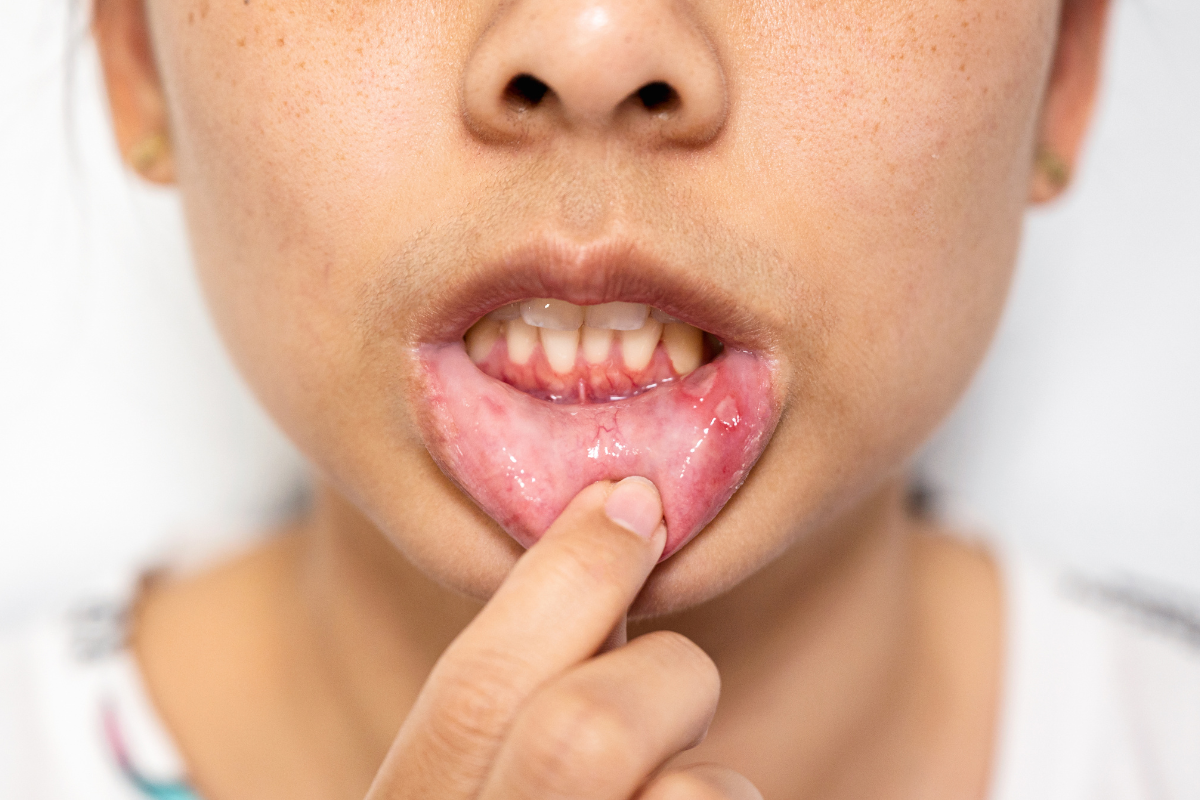
- Do Not Pull on Your Lip to Check the Graft
This is tempting, especially during the first few days. However, repeatedly stretching or touching the area can place unnecessary stress on healing tissue.
- Keep the Rest of Your Mouth Clean
Good oral hygiene remains important, but the surgical site may require a modified cleaning routine. Ask your provider exactly when and how to clean around the treated area.
- Avoid Tobacco
Smoking and other tobacco use can interfere with healing and increase the risk of complications. If you use tobacco, discuss it honestly with your periodontal provider before treatment.
- Give Your Body Time to Heal
Feeling better does not necessarily mean the tissue is completely healed. Return to normal activities according to your provider’s instructions rather than based only on how you feel.
What Problems Can Occur During Gum Graft Recovery?
Most patients receive detailed instructions to help reduce the risk of complications, but no surgical procedure is completely risk-free.
Contact your dental provider if you experience symptoms such as:
- Severe or worsening pain
- Significant or increasing swelling
- Persistent bleeding
- Fever
- Pus or unusual drainage
- A graft that appears to have become displaced
- Symptoms that suddenly worsen after improving
Do not try to diagnose a complication yourself. Prompt communication with your periodontist allows the surgical site to be evaluated and treated appropriately if needed.
How Professional Care Supports a Better Recovery
Successful gum grafting begins with proper diagnosis and treatment planning.
A periodontist evaluates the extent of gum recession, the condition of the surrounding tissue, periodontal health, and the factors contributing to recession. This helps determine whether gum grafting is appropriate and which approach may best address the affected area.
At Columbus Periodontics & Implants, periodontal care focuses on protecting the health of the gums and supporting structures around the teeth. The practice emphasizes patient education, comfort, safety, and individualized care. Dr. Katherine E. Ferry provides periodontal and implant treatment, including care related to gum health and tissue support.
When Should You Call About Gum Grafting?
You do not need to wait until gum recession becomes painful before having it evaluated.
Sensitivity near the gumline, visibly longer-looking teeth, changes in gum contours, or concerns about exposed roots can all be reasons to discuss your symptoms with a periodontal professional.
Patients in Columbus and nearby communities who are concerned about receding gums can receive an individualized evaluation to determine what is causing the recession and whether treatment is appropriate.
Ready for a More Comfortable Recovery Plan?
If you are considering gum grafting in Columbus, knowing what happens after treatment can help you approach the procedure with greater confidence. The right treatment plan, careful aftercare, and appropriate follow-up can help protect the healing tissue while supporting your long-term periodontal health.
Columbus Periodontics & Implants provides personalized periodontal care designed around each patient’s oral health needs and treatment goals. Rather than guessing whether your gum recession needs treatment, an evaluation can give you answers based on your individual condition.
schedule a consultation for gum grafting and learn what your recovery and treatment plan may look like.
Frequently Asked Questions
- How long does it take to recover from a gum graft?
Initial recovery commonly takes several days to a few weeks, but complete tissue healing and maturation can take longer. Your recovery depends on the grafting technique, treatment area, and individual healing response.
- What can I eat after gum graft surgery?
Soft foods such as yogurt, mashed potatoes, scrambled eggs, oatmeal, soft pasta, and applesauce are often easier to eat during early recovery. Follow your periodontist’s specific dietary instructions.
- Can I brush my teeth after a gum graft?
You will generally need to modify your oral hygiene routine around the surgical site during early healing. Do not brush or floss the treated area unless your provider tells you when and how to do so.
- How painful is gum grafting recovery?
Some soreness and tenderness are expected after gum grafting. Your provider may recommend appropriate pain-management measures based on your procedure and medical history. Severe or worsening pain should be reported.
- Can I drink coffee after gum graft surgery?
Your provider may recommend avoiding very hot beverages during the early recovery period. Because recommendations can vary depending on the procedure, follow the specific instructions provided by your periodontal team.
- When can I return to normal foods after gum grafting?
The timing varies. As the surgical site heals, your periodontist can tell you when it is safe to gradually introduce firmer foods. Avoid chewing on the treated area until you are cleared to do so.
- What should I avoid after gum graft surgery?
You may need to avoid hard, crunchy, sticky, spicy, or very hot foods, tobacco, strenuous activity, and touching the surgical site. Your provider will give you instructions based on your specific procedure.
- When should I contact my periodontist after a gum graft?
Contact your provider if you develop severe or worsening pain, significant swelling, persistent bleeding, fever, unusual drainage, or other symptoms that concern you. It is better to have an unexpected symptom evaluated than to ignore it.
Medical Disclaimer: This article is intended for general educational purposes and does not replace an examination, diagnosis, or personalized treatment plan from a dental professional. Gum grafting techniques, recovery times, dietary restrictions, and aftercare instructions vary by patient. Always follow the instructions provided by your periodontist.