3180 Middle Rd, Columbus, IN 47203

Losing a tooth can affect much more than your appearance. It can make chewing uncomfortable, change the way you speak, and leave you feeling less confident about your smile. Even one missing tooth can affect your daily routine. The good news is that modern dental implants offer a reliable, long-term way to restore your smile and function.
If you are considering treatment, understanding how long implants last and what affects their durability is essential. Working with an experienced dental implant dentist in Columbus can help you determine whether this treatment is right for your oral health needs.
But are dental implants truly permanent? The answer is encouraging, although there are a few important things every patient should understand before moving forward.
Why Replacing Missing Teeth Matters
A missing tooth creates an empty space that can gradually affect your oral health. Your remaining teeth may begin shifting toward the gap, changing your bite and making proper cleaning more difficult.
The jawbone can also lose density after tooth loss. This happens because natural tooth roots stimulate the surrounding bone during everyday activities like chewing. Without that stimulation, the bone may gradually shrink.
Over time, these changes can lead to several problems:
- Shifting teeth: Nearby teeth may move into the empty space, affecting alignment.
- Bite problems: Changes in tooth positioning can create uneven pressure when chewing.
- Bone loss: The jawbone may gradually weaken in the area where the tooth is missing.
- Difficulty eating: Missing teeth can make certain foods harder to chew.
- Changes in appearance: Bone loss and shifting teeth may affect facial support and smile appearance.
- Reduced confidence: Some people feel uncomfortable smiling or speaking because of visible gaps.
Replacing missing teeth early can help prevent these concerns from becoming more complicated.
Are Dental Implants Really a Permanent Solution?
Dental implants are designed to provide long-term tooth replacement. Unlike traditional dentures, which can move or require adjustments, implants are placed into the jawbone to create a stable foundation for replacement teeth.
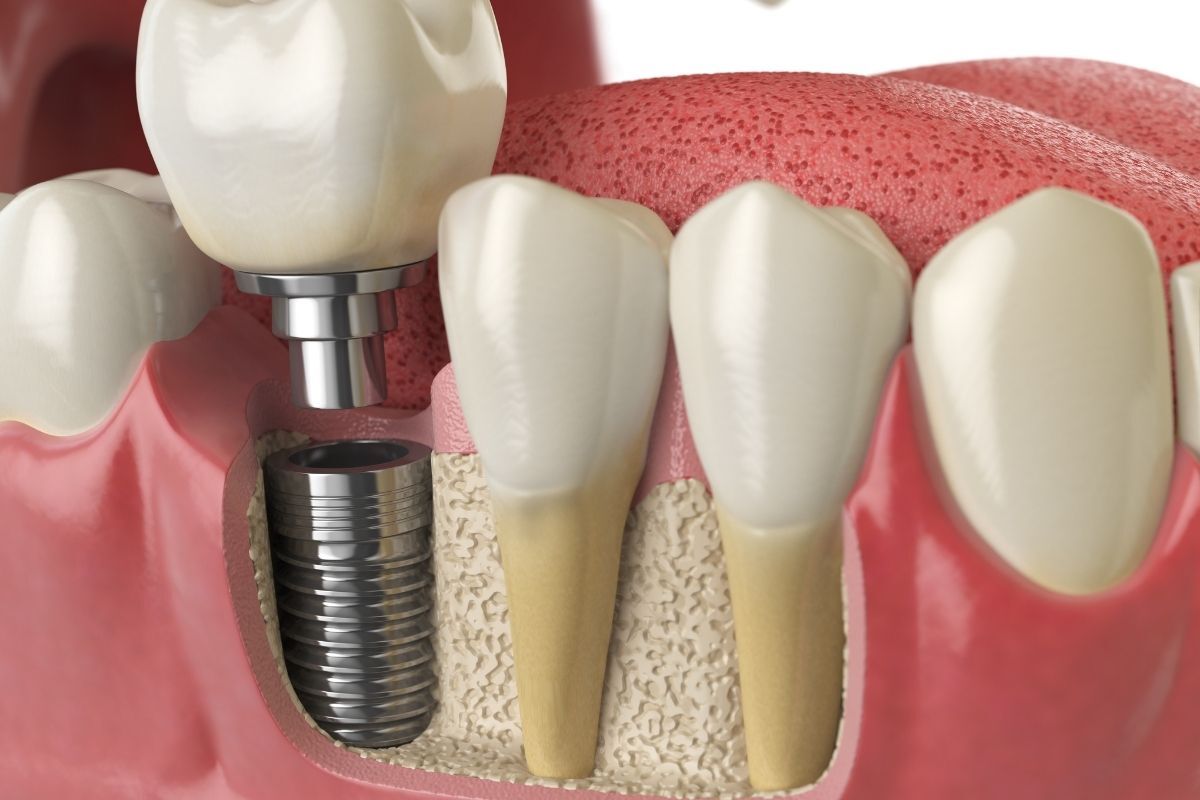
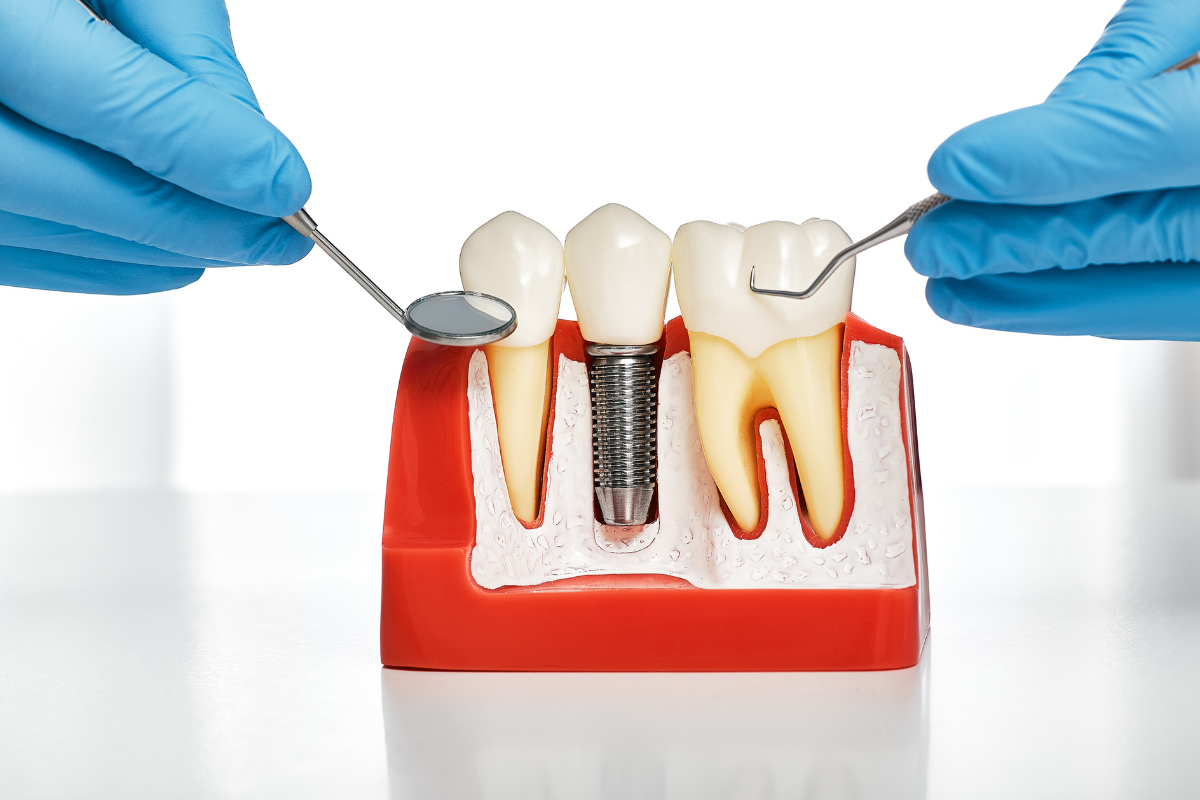
A dental implant consists of three main components:
- Implant post: A small titanium or other biocompatible post placed into the jawbone to replace the natural tooth root.
- Abutment: A connector that attaches the replacement tooth to the implant.
- Dental crown: A custom-made restoration designed to look and function like a natural tooth.
After placement, the implant gradually bonds with the surrounding jawbone through a natural healing process called osseointegration. This creates a stable foundation that supports the replacement tooth.
So, can dental implants last forever?
The implant post can last for decades and may last a lifetime with proper care. However, the crown or other replacement restoration may need repair or replacement over time due to normal wear and tear.
According to the American Association of Oral and Maxillofacial Surgeons, dental implants can achieve success rates of up to 95%, although individual results vary. The important point is that implants are a long-term solution, not a lifetime guarantee.
What Factors Affect How Long Dental Implants Last?
Although dental implants are designed for durability, their lifespan depends on several factors. Understanding these factors can help you protect your investment and maintain a healthy smile.
- Daily Oral Hygiene
Good oral hygiene is essential for maintaining dental implants. Although the implant itself cannot develop cavities, the surrounding gums and supporting bone can still become infected.
Brush twice daily, clean between your teeth, and follow your dental professional’s instructions. Keeping the implant area clean helps reduce harmful bacteria and supports healthy gum tissue.
- Gum Health
Healthy gums provide important support around dental implants. Gum infections can develop around an implant and lead to a condition called peri-implantitis.
This condition causes inflammation and may damage the surrounding bone if left untreated. Patients with a history of gum disease may need additional periodontal care to protect their implants.
- Smoking and Tobacco Use
Smoking can interfere with the body’s healing process and affect blood flow to the gums. It may also increase the risk of infection and implant complications.
Avoiding tobacco before and after implant surgery can support better healing and improve long-term outcomes.
- Overall Health
Certain medical conditions and medications can influence healing and bone health. For example, uncontrolled diabetes may increase the risk of complications following implant surgery.
Your dental professional should review your medical history before recommending treatment.
- Regular Dental Checkups
Routine professional examinations help identify potential problems before they become serious. Your provider can examine the implant, check gum health, evaluate the surrounding bone when necessary, and recommend appropriate maintenance.
How a Dental Implant Dentist in Columbus Helps Protect Your Long-Term Results
Successful implant treatment involves much more than placing an artificial tooth. Careful planning, healthy supporting tissues, proper surgical technique, and long-term maintenance all contribute to lasting results.
A periodontal specialist evaluates the condition of your gums and jawbone before recommending treatment.
At Columbus Periodontics and Implants, Dr. Katherine E. Ferry, DDS, MSD, is a board-certified periodontist with specialized periodontal training and experience in implant dentistry. Her background in periodontics helps support a comprehensive approach to evaluating gum health and planning implant treatment.
The process generally includes the following stages:
Step 1: Initial Consultation and Evaluation
Your periodontist examines your teeth, gums, and jawbone. Digital imaging may be used to evaluate bone structure and determine the best implant placement.
Step 2: Personalized Treatment Planning
Based on your oral health, your provider develops a treatment plan. If you have insufficient bone, a bone graft may be recommended before or during implant placement.
Step 3: Implant Placement
The implant post is surgically placed into the jawbone. The area is then allowed to heal so the implant can integrate with the surrounding bone.
Step 4: Healing and Restoration
Once the implant has healed sufficiently, an abutment and custom replacement tooth are attached. The final restoration is designed to fit comfortably and function naturally.
The overall treatment timeline varies depending on bone health, healing, and whether additional procedures are necessary.
What Can Happen If Dental Implants Are Not Properly Maintained?
Dental implants are durable, but they are not immune to complications. Neglecting proper care can increase the risk of problems that affect their stability.
Some potential complications include:
- Peri-implantitis: An infection that affects the gum tissue and supporting bone around an implant.
- Implant loosening: A loss of stability that may occur when bone integration fails or supporting bone is damaged.
- Crown damage: The artificial tooth may chip, crack, or wear down over time.
- Gum recession: Changes in gum tissue may expose parts of the implant or affect its appearance.
- Bone loss: Infection or other complications can weaken the bone supporting the implant.
Warning signs such as persistent bleeding, swelling, discomfort, or implant movement should never be ignored. Contact your dental professional promptly if you notice these symptoms.
How to Make Your Dental Implants Last Longer
Long-term implant success requires consistent attention. Following a few simple habits can help protect your new smile.
- Brush twice daily with a soft-bristled toothbrush.
- Clean between your teeth and around the implant every day.
- Attend regular dental and periodontal maintenance visits.
- Avoid smoking and other tobacco products.
- Avoid chewing ice or using your teeth to open hard objects.
- Follow all post-surgical instructions provided by your periodontist.
- Report unusual discomfort, bleeding, or movement as soon as possible.
Remember, maintaining the health of your gums is just as important as caring for the replacement tooth itself.
Restore Your Smile With Long-Term Dental Implant Care
Living with missing teeth does not have to mean accepting changes in your appearance, comfort, or ability to eat your favorite foods. Dental implants can provide a stable, natural-looking replacement that supports everyday function and long-term oral health.
If you are considering a dental implant in Columbus, the first step is understanding your individual needs and whether your gums and jawbone can support treatment. A professional evaluation can help identify potential concerns, explain your options, and create a personalized plan.
At Columbus Periodontics and Implants, patients receive specialized periodontal and implant care with an emphasis on personalized treatment and long-term oral health. Contact the office to schedule a consultation with Dr. Katherine E. Ferry. Taking the first step today can help you move toward a healthier, more confident smile.
Frequently Asked Questions About Dental Implants
- How long do dental implants usually last?
Dental implant posts can last for decades and may last a lifetime with proper care. However, the crown attached to the implant may need replacement due to normal wear, damage, or changes in oral health.
- Can dental implants fail after several years?
Yes. Although implants have high long-term survival rates, complications can develop years after placement. Gum infections, bone loss, poor oral hygiene, and excessive pressure can contribute to implant failure.
- Are dental implants better than dentures?
Dental implants offer a fixed tooth replacement option that does not rely on removable appliances. They also help preserve jawbone structure. Dentures may be more appropriate for some patients, depending on their oral health, treatment preferences, and overall needs.
- Does getting a dental implant hurt?
Implant placement is performed with appropriate anesthesia to help manage discomfort during the procedure. Some soreness, swelling, or tenderness afterward is normal. Your periodontist will provide instructions to help manage recovery.
- Can you get dental implants if you have experienced bone loss?
Yes, some patients with bone loss can still receive dental implants. Procedures such as bone grafting may help rebuild the jawbone and create a suitable foundation. An individual evaluation is necessary to determine the appropriate approach.
- How do I know if my dental implant is failing?
Warning signs may include persistent pain, swollen or bleeding gums, pus around the implant, or movement of the replacement tooth or implant. Contact your dental professional promptly if you experience these symptoms.
- Do dental implants require special cleaning?
Dental implants require daily brushing and cleaning between teeth, just like natural teeth. Your dental professional may recommend specific flossing tools or interdental brushes to help clean around the implant.
- How often should I visit the dentist after getting dental implants?
Regular professional examinations are important throughout the life of your implant. Many patients benefit from visits every six months, although your periodontist may recommend more frequent appointments based on your gum health and individual risk factors.
Medical Disclaimer – This article is intended for educational purposes only and should not replace professional dental advice, diagnosis, or treatment. Dental implant suitability, treatment timelines, and expected results vary from person to person. Consult a qualified dental professional to determine the best treatment for your individual needs.