3180 Middle Rd, Columbus, IN 47203

The thought of having a dental implant placed can bring up one big question: “How much is this going to hurt?” If you have been putting off replacing a missing tooth because you are worried about pain, you are not alone. Fear of discomfort is one of the most common concerns patients have before implant treatment.
The good news is that modern implant dentistry is designed with patient comfort in mind. During the procedure, local anesthesia keeps the treatment area numb, while sedation may be available for patients who feel anxious or need additional support. Afterward, some soreness, swelling, or tenderness is normal, but severe or worsening pain is not something you should simply ignore.
For patients researching dental implants in Columbus, understanding what happens before, during, and after treatment can make the decision feel much less intimidating.
Why Do Dental Implants Seem More Painful Than They Are?
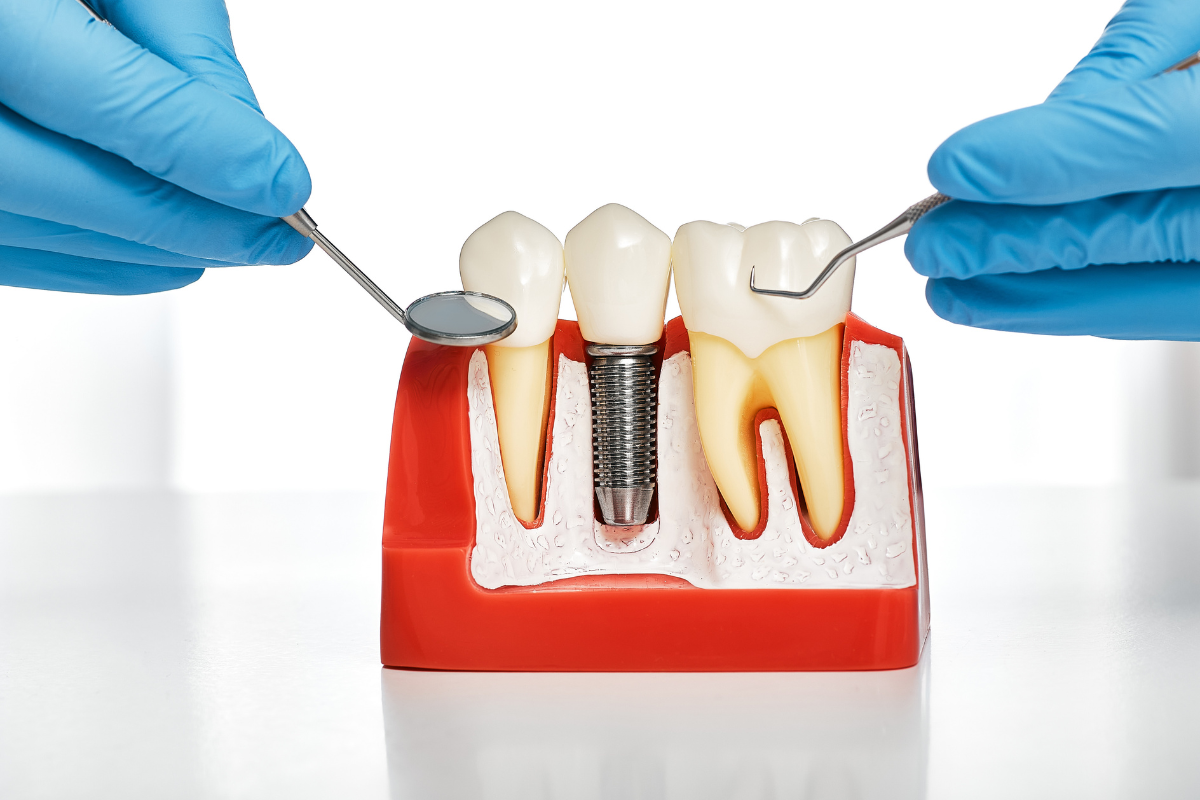
A dental implant involves placing a small titanium post into the jawbone to replace the root of a missing tooth. Because this sounds like major surgery, it is understandable to imagine significant pain.
However, the procedure itself is typically performed under local anesthesia, which prevents you from feeling the surgical area during implant placement. You may feel pressure, movement, or vibration, but you should not feel sharp pain while the implant is being placed.
Your experience can also depend on the complexity of your treatment. A straightforward single implant may involve less recovery than treatment that includes tooth extraction, bone grafting, or multiple implants.
That is why an implant consultation matters. Your provider can evaluate your gums, jawbone, bite, and overall oral health before recommending the appropriate treatment plan.
What Does Dental Implant Pain Feel Like After Surgery?
Once the anesthesia wears off, it is normal to notice some discomfort. Most patients describe the feeling as soreness, tenderness, pressure, or mild throbbing rather than intense pain.
You may experience:
- Mild soreness around the implant site
- Swelling in the gums or face
- Minor bruising
- Tenderness when chewing
- Temporary sensitivity
- A feeling of tightness around the treated area
These symptoms generally improve as healing progresses. Your dental team will give you specific aftercare instructions based on your procedure and may recommend appropriate pain-relief measures.
Following those instructions closely can make your recovery more comfortable.
When Is Dental Implant Pain a Warning Sign?
Some discomfort is expected. Pain that becomes increasingly severe, however, deserves professional attention.
Contact your dental provider if you experience:
- Severe pain that does not improve
- Pain that suddenly becomes worse after initially improving
- Persistent or significant swelling
- Fever or chills
- Pus or unusual drainage
- A loose implant
- Difficulty opening your mouth or swallowing
- Numbness that persists or concerns you
These symptoms do not automatically mean an implant has failed. They simply mean your provider should evaluate what is happening rather than leaving the problem untreated.
Early evaluation can help identify infection, healing problems, or another complication before it becomes more serious.
How Long Does It Take to Recover From a Dental Implant?
Recovery varies from patient to patient and depends on the extent of treatment.
For many people, the first few days involve the most noticeable soreness and swelling. These symptoms typically become easier to manage as the tissues heal. Your dentist or periodontist will provide instructions about eating, brushing, physical activity, medications, and follow-up care.
It is important to remember that feeling better is not the same as being completely healed.
The implant needs time to integrate with the surrounding jawbone. This biological process, known as osseointegration, helps create the stable foundation needed for the final restoration.
That means you should not rush back into normal chewing or activities simply because the surgical site feels comfortable.
Can Sedation Make Dental Implant Treatment More Comfortable?
Yes. Sedation can be especially helpful for patients who experience dental anxiety or feel uncomfortable about undergoing oral surgery.
Columbus Periodontics & Implants offers sedation options intended to help patients remain relaxed during advanced periodontal and implant procedures. The practice notes that sedation can be discussed as part of an individualized treatment plan.
Sedation does not replace local anesthesia. Instead, depending on the method used, it can help reduce anxiety and make the overall treatment experience easier to tolerate.
If the idea of implant surgery makes you nervous, tell your dental team before treatment. Knowing about your concerns allows them to discuss appropriate comfort measures with you.
How Dental Implants Columbus Patients Choose Can Be Planned for Comfort
Comfort starts before the implant is ever placed.
A thorough evaluation helps your provider understand the condition of your jawbone, gums, remaining teeth, and surrounding anatomy. At Columbus Periodontics & Implants, digital X-rays and 3D CBCT imaging are used to evaluate oral structures and assist with implant planning. The practice also uses computer-guided implant planning based on CBCT data and digital models.
This type of planning allows the treatment team to understand your anatomy in greater detail before surgery.
The practice is led by Dr. Katherine E. Ferry, DDS, MSD, a board-certified periodontist with specialty training in periodontics and certification in sedation.
Because implant treatment involves both surgery and long-term oral health, working with a periodontal specialist can be particularly valuable when gum disease, bone loss, or other periodontal concerns are involved.
What Can Make Dental Implant Recovery Easier?
Your recovery is influenced by how closely you follow your provider’s instructions.
Helpful habits may include:
Choose softer foods. Avoid putting unnecessary pressure on the surgical area while your provider recommends a softer diet.
Protect the treatment site. Do not repeatedly touch or disturb the area with your fingers or tongue.
Follow oral hygiene instructions. Keeping your mouth clean is important, but follow your provider’s specific instructions about brushing and cleaning around the surgical site.
Avoid smoking or tobacco. Tobacco use can interfere with healing and increase the risk of complications.
Attend follow-up visits. Your provider needs to monitor how the implant and surrounding tissues are healing.
Most importantly, do not compare your recovery with someone else’s. Implant treatment is highly individualized, and your healing timeline can depend on your oral health, procedure, and medical factors.
Why Choosing the Right Implant Provider Matters
Dental implant treatment is more than placing a replacement tooth. The health of the gums and supporting bone plays an important role in the long-term stability of an implant.
Columbus Periodontics & Implants focuses on both periodontal and implant care, providing services that can address gum health, bone-related concerns, implant placement, and related procedures under one practice. Its technology includes 3D imaging, digital planning, intraoral scanning, and computer-guided implant planning.
That comprehensive approach can be especially important for patients who have experienced tooth loss alongside gum disease or bone loss.
Ready to Find Out If Dental Implants Are Right for You?
If fear of pain has kept you from replacing a missing tooth, you do not have to make the decision based on fear or guesswork. A personalized evaluation can help you understand what your treatment may involve, how discomfort will be managed, and what recovery may look like for your specific situation.
At Columbus Periodontics & Implants, the team provides personalized periodontal and implant care with a focus on patient comfort and individualized treatment planning.
If you are considering dental implants in Columbus, schedule a consultation today to discuss your options and take the next step toward a healthier, more confident smile.
Frequently Asked Questions
- Do dental implants hurt during the procedure?
Most patients should not feel sharp pain during implant placement because local anesthesia is used to numb the treatment area. You may notice pressure, vibration, or movement. Sedation may also be discussed if you experience dental anxiety.
- How painful are dental implants after surgery?
Some soreness, tenderness, swelling, or mild throbbing can occur after the anesthesia wears off. The level of discomfort varies depending on the number of implants and whether additional procedures were performed.
- How many days does dental implant pain last?
The most noticeable discomfort often occurs during the first few days and gradually improves as healing progresses. Your individual recovery may differ, particularly if bone grafting, extraction, or other surgical procedures are involved.
- Can I work the day after getting a dental implant?
Some patients can return to normal activities relatively quickly, while others may need additional recovery time. Your provider will recommend when it is appropriate to resume work, exercise, and other activities based on your procedure and healing.
- What should I eat after dental implant surgery?
Soft foods are generally easier to eat during the early recovery period. Follow your provider’s dietary instructions and avoid putting unnecessary pressure on the implant site until you are cleared to do so.
- What if I am afraid of dental implant surgery?
Tell your dental provider about your anxiety before treatment. Sedation options may be available to help you remain more relaxed. Columbus Periodontics & Implants specifically offers sedation dentistry for patients who need additional comfort during dental procedures.
- Can dental implants fail because of pain?
Pain alone does not mean an implant has failed. However, severe, persistent, or worsening pain—especially when accompanied by swelling, drainage, fever, or implant movement—should be evaluated promptly by your dental provider.
- How do I know if I am a candidate for dental implants?
A dental professional will evaluate your gums, jawbone, oral health, medical history, and treatment goals. Bone loss or active periodontal disease may require treatment before implant placement. A personalized examination is the best way to determine whether implants are appropriate for you.
Medical Disclaimer: This article provides general educational information and is not a substitute for an examination, diagnosis, or personalized treatment recommendation from a qualified dental professional. Implant treatment, anesthesia, recovery, and potential risks vary by patient. Always follow the instructions provided by your dental care team.