3180 Middle Rd, Columbus, IN 47203

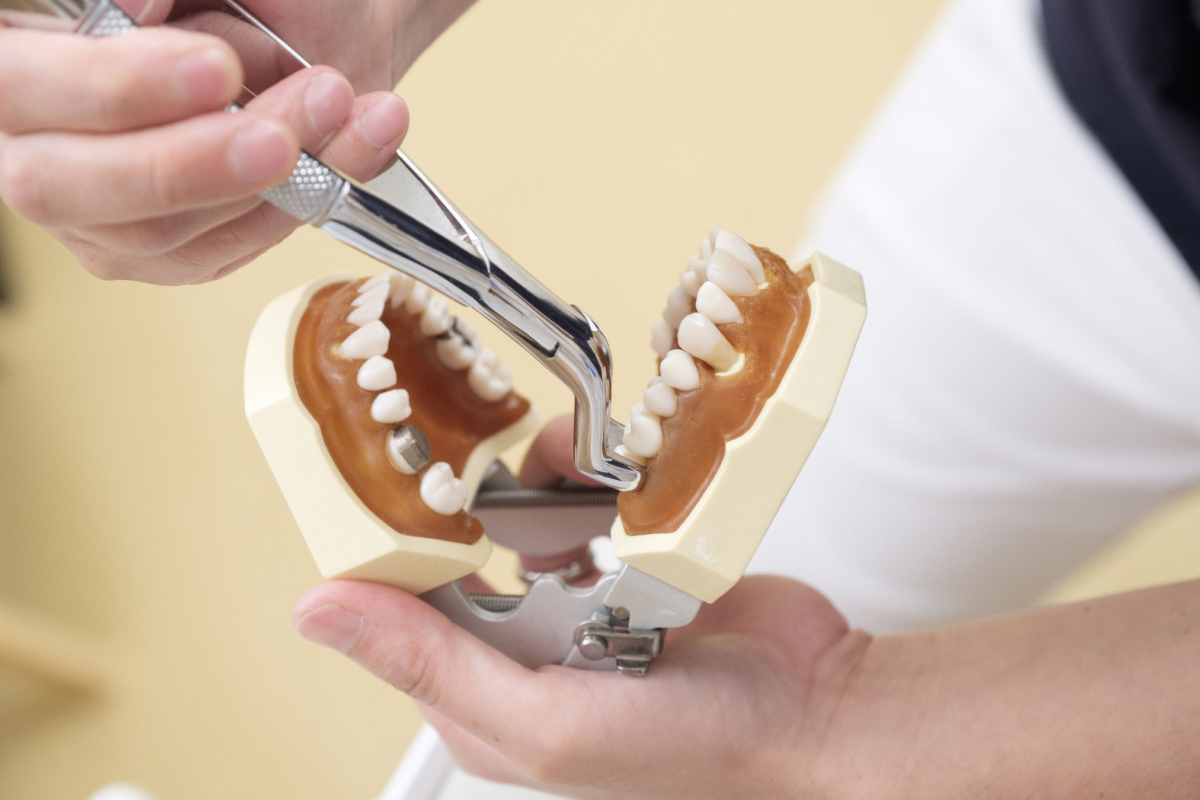
A painful tooth can make it difficult to eat, sleep, work, or even concentrate on everyday tasks. But how do you know when a toothache is something that can be treated—and when the tooth may need to be removed?
Recognizing the warning signs early can help you avoid unnecessary discomfort and prevent a dental problem from becoming more complicated. Tooth extraction in Columbus may be recommended when a tooth is severely damaged, infected, loose, or no longer able to support healthy oral function.
An extraction is not always the first treatment option. When possible, dental professionals generally consider ways to preserve a natural tooth. However, there are situations where removing the affected tooth can protect surrounding teeth, gums, and bone.
What Are the Signs You May Need a Tooth Extraction?
Not every painful tooth needs to be removed. A professional examination is necessary to determine the cause of your symptoms and whether the tooth can be saved.
Still, certain symptoms should not be ignored.
- Severe or Persistent Tooth Pain
A mild toothache that disappears quickly may not indicate a serious problem. Persistent or intense pain is different.
Pain that continues for days, interferes with sleep, or becomes worse when you bite down may indicate significant damage or infection inside or around the tooth.
The source could include deep decay, an injured tooth, an infection, or inflammation affecting the tissues around the tooth.
Pain medication may temporarily make you feel better, but it does not address the underlying cause. If pain keeps returning, an examination can determine whether the tooth requires treatment or removal.
- A Tooth Is Severely Damaged
Teeth can become damaged through decay, trauma, cracks, or years of wear.
A tooth may sometimes be repaired with a filling, crown, root canal treatment, or another restorative procedure. However, if too much of the tooth structure has been lost, there may not be enough healthy material remaining to support a restoration.
In those situations, removal may be recommended.
- Signs of a Dental Infection
An infected tooth can cause more than pain.
Possible warning signs include:
- Swelling around the tooth or face
- A pimple or bump on the gums
- Pus or unusual drainage
- Bad taste in the mouth
- Persistent bad breath
- Fever
- Tender or swollen lymph nodes
- Increasing pain or pressure
A dental infection should be evaluated promptly. Depending on the source and condition of the tooth, treatment may involve saving the tooth or removing it.
If facial swelling is severe or you have difficulty breathing or swallowing, seek emergency medical care immediately.
- Your Tooth Is Extremely Loose
Adult teeth should not normally move significantly.
A loose tooth can result from advanced gum disease, bone loss, trauma, or another underlying condition. When the supporting tissues and bone have been severely affected, the tooth may no longer have enough support to remain stable.
An evaluation is important because the appropriate treatment depends on why the tooth is loose. In some situations, periodontal treatment may help manage the underlying problem. In others, extraction may be necessary.
- You Have Advanced Gum Disease
Gum disease affects more than the gums. In advanced cases, the infection and inflammation can damage the bone and other tissues that support your teeth.
If periodontal disease has caused substantial bone loss, a tooth may become unstable and difficult to maintain.
Your periodontist can assess the health of the supporting structures and determine whether the tooth can be treated or whether removal would provide a healthier outcome.
- A Tooth Is Cracked Below the Gumline
Not every cracked tooth requires extraction.
Some cracks can be treated depending on their location and severity. However, a fracture that extends deep below the gumline or into the tooth’s root may make the tooth difficult or impossible to restore predictably.
Symptoms can include sharp pain when biting, sensitivity to temperature, or intermittent discomfort that seems to come and go.
Because cracked teeth can worsen over time, it is important to have unusual symptoms evaluated rather than waiting for the tooth to break completely.
- A Tooth Is Causing Repeated Problems
Sometimes a tooth creates recurring problems even after previous treatment.
Repeated infections, persistent inflammation, ongoing pain, or a restoration that can no longer function properly may indicate that the tooth needs to be reassessed.
The goal is not to remove a tooth simply because it has caused trouble before. Instead, your dental provider can evaluate whether another treatment can reasonably preserve it or whether extraction has become the more appropriate option.
- There Is Not Enough Room for a Tooth
Crowding can create situations where removing a tooth is part of a larger treatment plan.
For example, certain orthodontic cases may require extraction to create adequate space for proper alignment. Wisdom teeth may also be removed when they are impacted, repeatedly infected, or creating problems for nearby structures.
The need for extraction depends on your individual anatomy and treatment goals.
- A Tooth Cannot Be Restored Successfully
One of the most important questions before an extraction is simple:
Can this tooth be predictably restored and maintained?
If the answer is no because of extensive decay, structural damage, infection, or severe loss of supporting tissue, extraction may be recommended.
Removing a tooth can eliminate a source of infection or pain and create an opportunity to plan for tooth replacement when appropriate.
Why Delaying Necessary Tooth Extraction Can Be a Problem
It is understandable to want to avoid an extraction. However, delaying treatment does not necessarily make the problem disappear.
An untreated infection can worsen. A severely damaged tooth can fracture further. Advanced periodontal disease can continue affecting the tissues supporting nearby teeth.
There is also the possibility that waiting may make future treatment more complicated.
That does not mean every toothache requires immediate extraction. It means persistent or concerning symptoms deserve a professional evaluation so you can understand your options.
What Happens During a Tooth Extraction?
If extraction is recommended, your provider will first review your medical and dental history and examine the affected area.
The treatment approach depends on the tooth’s location, condition, root structure, surrounding bone, and whether the extraction is straightforward or surgical.
Local anesthesia is commonly used to numb the treatment area. Sedation may also be considered for appropriate patients and procedures, particularly when anxiety or treatment complexity is a concern.
After the tooth is removed, your provider will explain how to protect the extraction site during healing. Instructions may cover bleeding control, food choices, oral hygiene, activity, and follow-up care.
What Happens After a Tooth Is Removed?
Removing a problematic tooth is only one part of the treatment plan.
Depending on your situation, your provider may discuss tooth replacement options such as a dental implant, bridge, or removable restoration. Replacing a missing tooth can help restore chewing function and maintain a more complete smile.
Your provider can explain whether replacement is recommended immediately or after the extraction site has had time to heal.
The right choice depends on factors such as your oral health, bone condition, remaining teeth, and personal treatment goals.
How Professional Evaluation Can Protect Your Oral Health
At Columbus Periodontics & Implants, treatment focuses on periodontal health and the supporting structures around the teeth. The practice provides periodontal and surgical care for conditions that can contribute to tooth loss, including advanced gum disease and problems involving the tissues and bone surrounding teeth.
For patients considering tooth extraction in Columbus, an examination can help determine whether extraction is actually necessary and what treatment options may be available.
A professional evaluation is especially important when symptoms include swelling, severe pain, infection, or a noticeably loose tooth.
Don’t Wait for a Dental Problem to Become an Emergency
A painful or damaged tooth can be easy to ignore when symptoms temporarily improve. But recurring pain, swelling, looseness, or infection may signal a problem that needs attention.
Getting evaluated does not automatically mean you will need an extraction. It gives you an opportunity to understand what is happening and discuss whether the tooth can be preserved or whether removal is the safer course.
If you are experiencing symptoms that may require tooth extraction in Columbus, call Columbus Periodontics & Implants at 8124632028 to schedule an evaluation and get a personalized treatment plan before the problem becomes more difficult to manage.
Frequently Asked Questions
- How do I know if I need a tooth extraction?
Severe tooth damage, persistent pain, advanced gum disease, significant looseness, deep infection, or a tooth that cannot be restored may lead a dental professional to recommend extraction. Only an examination can determine whether removal is necessary.
- Can a badly damaged tooth be saved instead of extracted?
Sometimes. Depending on the amount of healthy tooth structure remaining, treatments such as a filling, crown, or root canal may preserve the tooth. If the damage is too extensive, extraction may be recommended.
- Does a tooth infection always require extraction?
No. Some infected teeth can be treated and preserved. The appropriate treatment depends on the source of infection, the condition of the tooth, and whether the tooth can be restored.
- Is a loose adult tooth a reason for extraction?
A loose adult tooth should be evaluated, but looseness does not automatically mean extraction is required. Gum disease, bone loss, trauma, and other conditions can cause mobility, and treatment depends on the underlying cause.
- How painful is a tooth extraction?
The treatment area is typically numbed with local anesthesia, so you should not feel sharp pain during the procedure. Some soreness and tenderness can occur afterward, depending on the complexity of the extraction and your individual healing response.
- What should I eat after a tooth extraction?
Soft foods are generally easier to eat during the early healing period. Your provider may recommend foods such as yogurt, applesauce, mashed potatoes, eggs, and other soft options. Follow the specific dietary instructions you receive after treatment.
- What happens if I delay a necessary tooth extraction?
Delaying treatment can allow an underlying infection, structural damage, or periodontal problem to progress. In some cases, waiting can increase discomfort or make subsequent treatment more complicated.
- What should I do if my face is swollen from a tooth infection?
Contact a dental professional promptly. If swelling is severe or you have difficulty breathing or swallowing, seek emergency medical attention immediately.
Medical Disclaimer: This article is intended for general educational purposes and does not replace an examination, diagnosis, or personalized treatment recommendation from a dental professional. Tooth extraction is not appropriate for every patient with dental pain or damage. Your provider should evaluate your individual condition before recommending treatment.
Related Articles