3180 Middle Rd, Columbus, IN 47203


A tooth extraction can sound intimidating, especially if you are worried about pain, swelling, or how long it will take to recover. You may also wonder whether you will be able to eat normally, return to work, or sleep comfortably after the procedure. The good news is that knowing what to expect can help you feel more prepared and less anxious.
If you are considering tooth extraction in Columbus, understanding each stage of treatment can help you make informed decisions about your oral health. From the initial examination to aftercare and healing, this guide explains how the process works, why an extraction may be necessary, and what you can do to support a smooth recovery.
Why Might You Need a Tooth Extraction?
Dentists generally try to preserve natural teeth whenever possible. However, removing a tooth may be the best option when damage, infection, or other dental problems cannot be managed with restorative treatment.
Common reasons for a tooth extraction include:
- Severe tooth decay: Extensive damage may leave too little healthy tooth structure for a filling, crown, or other restoration.
- Advanced gum disease: Periodontal disease can damage the tissues and bone supporting a tooth, making it loose or difficult to preserve.
- Dental infections: In some cases, an infection or damage around the tooth may require removal when other treatments are not appropriate or successful.
- Cracked or broken teeth: A fracture extending below the gumline may make a tooth impossible to restore.
- Impacted teeth: A tooth that cannot erupt properly may cause discomfort, inflammation, or damage to nearby teeth.
- Preparation for other dental treatments: An extraction may sometimes be necessary before certain orthodontic or restorative procedures.
Your dentist or periodontist will examine the affected area, review your dental and medical history, and take X-rays when needed. The goal is to determine whether the tooth can be saved or whether removing it is the safest and most practical approach.
What Happens Before, During, and After a Tooth Extraction?
Knowing the steps involved can make the experience feel much more manageable. Although every patient is different, most extractions follow a similar process.
- Your Initial Examination
Your appointment begins with an evaluation of the tooth and surrounding tissues. Your dental provider will ask about your symptoms, existing medical conditions, allergies, and medications.
Be sure to mention blood thinners, medications for osteoporosis, and any history of problems with anesthesia. Do not stop taking prescribed medication unless your healthcare provider instructs you to do so.
Your provider will explain the recommended treatment, discuss anesthesia options, and answer your questions before proceeding.
- Numbing the Area
Local anesthesia is commonly used to prevent pain during a tooth extraction. You may feel pressure or movement, but you should not feel sharp pain. If you do, tell your provider so they can assess whether additional anesthesia is needed.
For patients with significant dental anxiety or more complex treatment needs, additional comfort options may be available depending on the practice and the procedure.
- Removing the Tooth
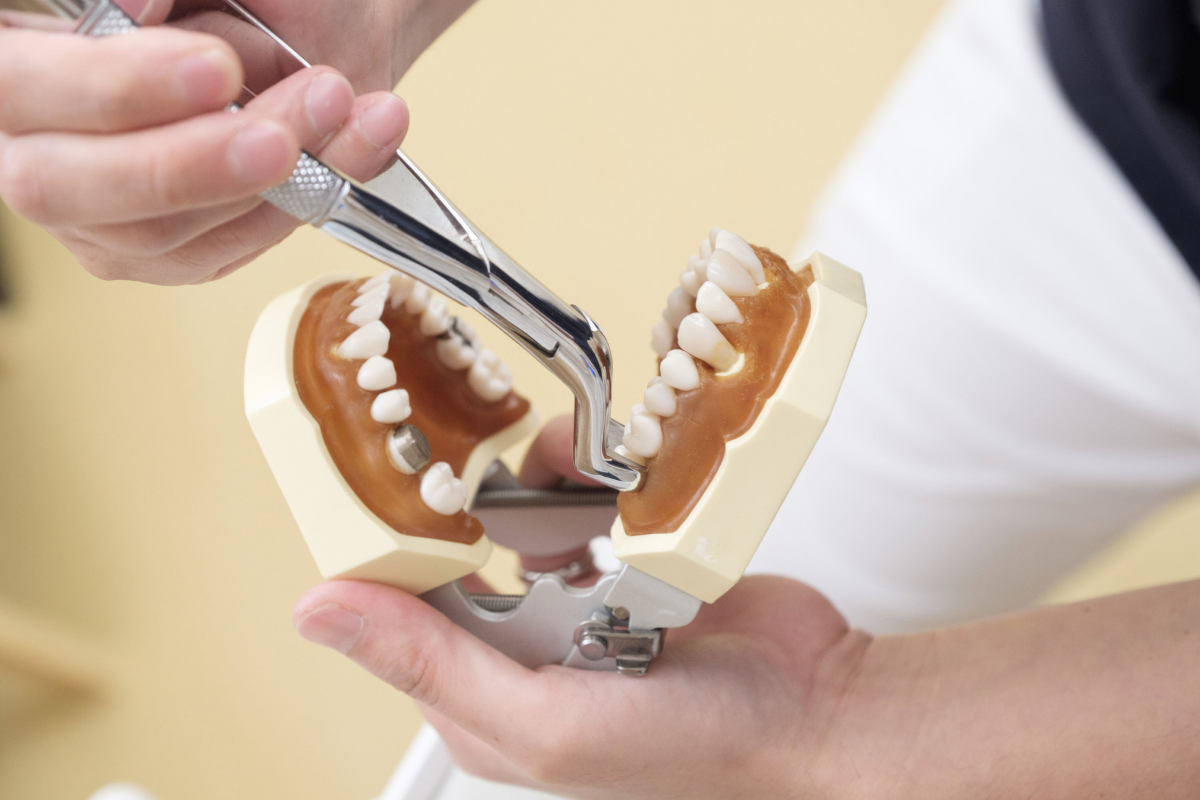
A simple extraction is generally performed when the tooth is visible above the gumline. The provider gently loosens the tooth with dental instruments before removing it.
A surgical extraction may be necessary if the tooth is broken at the gumline, impacted, or difficult to access. This procedure may involve a small incision in the gum and, in some cases, removal of a limited amount of bone.
The technique depends on the tooth’s position, condition, and surrounding anatomy. Your provider will explain what is appropriate for your situation.
- Protecting the Extraction Site
After the tooth is removed, gauze is usually placed over the area to help control bleeding and allow a blood clot to form. This clot is essential because it protects the underlying bone and nerves while healing begins.
Your provider may place stitches if needed and give you specific instructions for caring for the site at home.
- Beginning Your Recovery
You will receive aftercare guidance before leaving the office. Follow these instructions carefully, especially during the first 24 hours, when the blood clot is most vulnerable.
Some soreness, mild swelling, and light bleeding are common. However, severe or worsening symptoms should not be ignored.
What Are the Risks of Delaying an Extraction?
It is understandable to want to postpone dental treatment, particularly when you are nervous about the procedure. However, delaying a recommended extraction can sometimes allow an underlying problem to become more serious.
Depending on the condition of the tooth, waiting may lead to:
- Worsening pain: Damage or inflammation may progress, making everyday activities such as eating and sleeping uncomfortable.
- Spread of infection: An untreated dental infection can spread into nearby tissues and, in severe cases, become a medical emergency.
- Damage to neighboring teeth: A damaged or impacted tooth may affect surrounding teeth and tissues.
- More complex treatment: Further deterioration may make removal more involved or limit future treatment options.
Extraction also carries risks, including bleeding, infection, dry socket, and injury to nearby structures. Some patients may experience temporary numbness or delayed healing, depending on the location of the tooth and other health factors.
A dry socket occurs when the protective blood clot is lost or breaks down too early. It can cause significant pain a few days after the procedure and may require professional treatment.
Seek urgent medical care if you develop difficulty breathing or swallowing, rapidly increasing facial or neck swelling, or other signs of a spreading infection. Contact your dental provider promptly for uncontrolled bleeding, fever, worsening pain, or swelling that continues to increase.
How to Recover Faster After a Tooth Extraction
Your aftercare routine plays an important role in protecting the extraction site. Healing time varies based on the type of procedure, your general health, and the location of the tooth.
Follow these practical steps to support recovery.
Protect the Blood Clot During the First 24 Hours
Bite gently on the gauze as directed by your dental provider. Avoid forceful spitting, vigorous rinsing, drinking through a straw, or touching the extraction site with your fingers or tongue. These actions may disturb the blood clot.
Avoid smoking and vaping, which can interfere with healing and increase the risk of complications.
Choose Soft Foods
For the first few days, choose foods that are easy to chew and swallow, such as:
- Yogurt and applesauce
- Mashed potatoes
- Scrambled eggs
- Lukewarm soups
- Soft pasta and oatmeal
Avoid very hot foods, hard or crunchy snacks, and small foods that can become trapped in the socket. Chew away from the extraction site when possible, and gradually return to your normal diet as comfort improves.
Manage Pain and Swelling
Apply a cold pack to the outside of your cheek in short intervals during the first day, following your provider’s instructions. Take prescribed or recommended pain medication only as directed.
Do not place aspirin directly on the gums, as it may irritate the tissue. If you take blood thinners or have other medical conditions, ask your provider which pain relievers are appropriate.
Keep Your Mouth Clean
Avoid vigorous rinsing during the first 24 hours unless your provider gives different instructions. After that, gentle warm saltwater rinses may help keep the area clean. Brush your other teeth carefully, taking care not to disturb the extraction site.
Continue following any additional instructions regarding mouth rinses, stitches, or follow-up appointments.
Understand the Healing Timeline
- First 24 hours – A blood clot forms, and mild bleeding or discomfort may occur. Rest and protect the extraction site.
- Days 2–3 – Swelling and soreness may be most noticeable. Symptoms should generally begin improving rather than progressively worsening.
- Days 4–7 and beyond – Many patients feel substantially better within several days. Gum healing continues over the following weeks, while bone healing takes longer.
These timeframes are estimates, not guarantees. Surgical extractions may require a longer recovery. If pain improves and then becomes severe, particularly a few days after treatment, contact your dental provider to check for dry socket or another complication.
What Happens After the Tooth Is Removed?
Once the extraction site begins healing, your provider may discuss whether the missing tooth should be replaced. The right decision depends on the location of the tooth, your oral health, and your long-term goals.
Replacing a missing tooth may help maintain chewing function, improve appearance, and prevent unwanted movement of neighboring teeth in certain situations.
Possible replacement options include:
- Dental implants: A replacement tooth supported by an implant placed in the jawbone.
- Dental bridges: A restoration that fills the gap using support from neighboring teeth or implants.
- Partial dentures: Removable appliances designed to replace one or more missing teeth.
Not every extraction requires replacement. Wisdom teeth, for example, often do not need to be replaced. Your provider can explain whether replacement is recommended and whether additional healing time or bone grafting may be necessary before implant treatment.
Where to Get Professional Guidance for Your Tooth Extraction
Choosing the right dental team can make the treatment process less stressful. You should feel comfortable asking questions, discussing your concerns, and understanding the reasons behind your recommended treatment.
At Columbus Periodontics and Implants, patients can seek professional guidance about periodontal health, tooth removal, and treatment options related to missing teeth. An individualized evaluation helps determine the appropriate approach based on the condition of the tooth, surrounding tissues, medical history, and future restorative needs.
Whether you are experiencing discomfort or have been advised that a tooth may need to be removed, getting an evaluation early can help you understand your options and avoid unnecessary delays.
Schedule Your Tooth Extraction Consultation
You do not have to let uncertainty about dental treatment keep you from getting the care you need. Understanding the procedure, knowing how to protect the extraction site, and following professional aftercare instructions can help you approach treatment with greater confidence.
If you need tooth extraction in Columbus, contact Columbus Periodontics and Implants to discuss your symptoms, explore your treatment options, and determine the next steps for protecting your oral health. Schedule a consultation to receive personalized guidance and a treatment plan suited to your needs.
Frequently Asked Questions
- Is a tooth extraction painful?
Local anesthesia is used to minimize pain during the procedure. You may feel pressure or movement, but sharp pain should be addressed immediately. Mild to moderate soreness after the anesthesia wears off is common and can usually be managed with appropriate aftercare and medication.
- How long does it take to recover from a tooth extraction?
Many patients feel significantly better within a few days to a week. However, surgical extractions may require additional recovery time. The gum tissue generally heals over several weeks, while the underlying bone may take several months to heal fully.
- What can I eat after a tooth extraction?
Soft foods such as yogurt, scrambled eggs, mashed potatoes, and lukewarm soup are usually suitable during early recovery. Avoid hard, crunchy, sticky, or very hot foods until your provider says they are safe. Gradually resume your usual diet as the area heals.
- How do I know if I have a dry socket?
Dry socket may cause severe or increasing pain a few days after an extraction, sometimes accompanied by an unpleasant taste or bad breath. The pain may spread toward the ear or jaw. Contact your dental provider if you experience these symptoms, as professional treatment may be necessary.
- When can I return to work after a tooth extraction?
Some patients can return to work the next day after a simple extraction. More complex procedures may require additional rest. Your recovery will depend on the type of extraction, your discomfort, and whether your job involves strenuous physical activity. Follow your provider’s recommendations.
- Can I brush my teeth after an extraction?
Yes. You can generally continue brushing your other teeth carefully on the day of the procedure, while avoiding direct contact with the extraction site. Avoid vigorous rinsing or spitting during the first 24 hours. Follow your dental provider’s specific instructions.
- What should I do if bleeding continues after an extraction?
Apply firm, continuous pressure by biting on clean gauze according to your provider’s instructions. Avoid repeatedly removing the gauze to check the site. If bleeding remains heavy or does not respond to pressure, contact your dental provider urgently. Seek emergency care if bleeding is severe or you feel faint.
- Do I need to replace a tooth after an extraction?
It depends on which tooth is removed and your overall dental health. Replacing a missing tooth may help restore chewing function and prevent certain changes in your bite. Wisdom teeth usually do not require replacement. Your provider can discuss whether an implant, bridge, or partial denture is appropriate.
Medical Disclaimer – This article is for educational purposes only and does not replace professional dental advice, diagnosis, or treatment. Every patient’s needs and recovery are different. Consult a qualified dental professional for recommendations specific to your condition. Seek urgent medical care for difficulty breathing or swallowing, rapidly spreading swelling, or other signs of a serious infection.