3180 Middle Rd, Columbus, IN 47203

Does the thought of sitting in a dental chair make your heart race? Perhaps you worry about pain, feel uneasy about dental instruments, or have postponed treatment because of fear. You are not alone, and you do not have to let dental anxiety stand between you and a healthier smile.
Sedation dentistry in Columbus may help make dental visits more manageable by reducing anxiety and helping eligible patients feel more relaxed during treatment. Depending on your needs, sedation may also make longer or more complex procedures easier to tolerate.
Understanding your options is the first step toward a more comfortable dental experience. Here is how sedation works, who may benefit, what to expect, and how to decide whether it is right for you.
Why Do So Many People Feel Anxious About Dental Treatment?
Dental anxiety can affect people of all ages. For some, it begins with an uncomfortable childhood experience. Others may worry about pain, needles, the sound of dental instruments, or feeling unable to control what happens during treatment.
Common reasons patients avoid dental appointments include:
- Fear of pain: Even when modern techniques can control discomfort, the anticipation of pain may feel overwhelming.
- Sensitive gag reflex: Some patients struggle with certain dental instruments or procedures because of a strong gag reflex.
- Previous negative experiences: An unpleasant visit can make future appointments stressful.
- Difficulty sitting still: Restlessness or discomfort can make lengthy procedures challenging.
- Embarrassment about oral health: Patients who have delayed care may feel worried about being judged.
Avoiding dental visits may seem like a short-term solution, but it can allow small problems to become more serious. Cavities may progress, gum disease may worsen, and dental infections may develop.
A comfortable, supportive treatment approach can help patients address these concerns and take a more active role in their oral health.
How Sedation Dentistry Can Improve Your Dental Experience
Sedation dentistry uses medication to help patients relax during dental procedures. The type of sedation recommended depends on your anxiety level, medical history, planned treatment, and individual needs.
Sedation does not replace local anesthesia when pain control is necessary. Instead, it can help reduce fear and make treatment easier to tolerate.
- Helps Reduce Dental Anxiety
One of the main benefits of sedation is that it may help patients feel calmer before and during treatment.
If you feel tense at the thought of a dental appointment, an appropriate sedation method may reduce that anxiety. This can make it easier to attend appointments and receive the care you need.
Your dental provider should discuss your concerns before treatment and explain how the proposed approach may help.
- Makes Longer Procedures More Manageable
Some dental procedures require more time in the chair than routine examinations or cleanings. Periodontal treatment, surgical procedures, and other complex treatments may be challenging for patients who struggle with anxiety.
Depending on the method used, sedation may help you remain relaxed throughout treatment. This can make longer appointments feel more manageable, although it does not guarantee that every procedure will feel effortless or that you will have no discomfort.
- May Help Patients With a Strong Gag Reflex
A sensitive gag reflex can make dental care uncomfortable, particularly during procedures involving the back of the mouth.
Sedation may help some patients tolerate treatment more comfortably. Your provider can also consider positioning, breathing techniques, and other adjustments to reduce discomfort.
The best approach depends on the cause and severity of your gag reflex.
- Can Make It Easier to Complete Needed Treatment
Dental anxiety sometimes causes patients to postpone care until pain or other symptoms become difficult to ignore.
By addressing anxiety, sedation may help eligible patients proceed with recommended treatment. In some cases, it may also allow several planned procedures to be completed during one visit, depending on clinical needs, appointment length, and the sedation method.
Your provider will determine whether combining procedures is appropriate and safe for you.
- Builds Confidence for Future Visits
A more comfortable dental experience can help reduce the fear associated with future appointments. Patients who feel heard, informed, and supported may find it easier to maintain regular dental care.
Sedation is not the only way to manage anxiety. Clear communication, breaks during treatment, relaxation techniques, and a gradual approach to care may also help.
What Are the Different Types of Dental Sedation?
Not every patient needs the same level of sedation. Your dental provider will recommend an approach based on your health, anxiety, and treatment requirements.
Nitrous Oxide Sedation
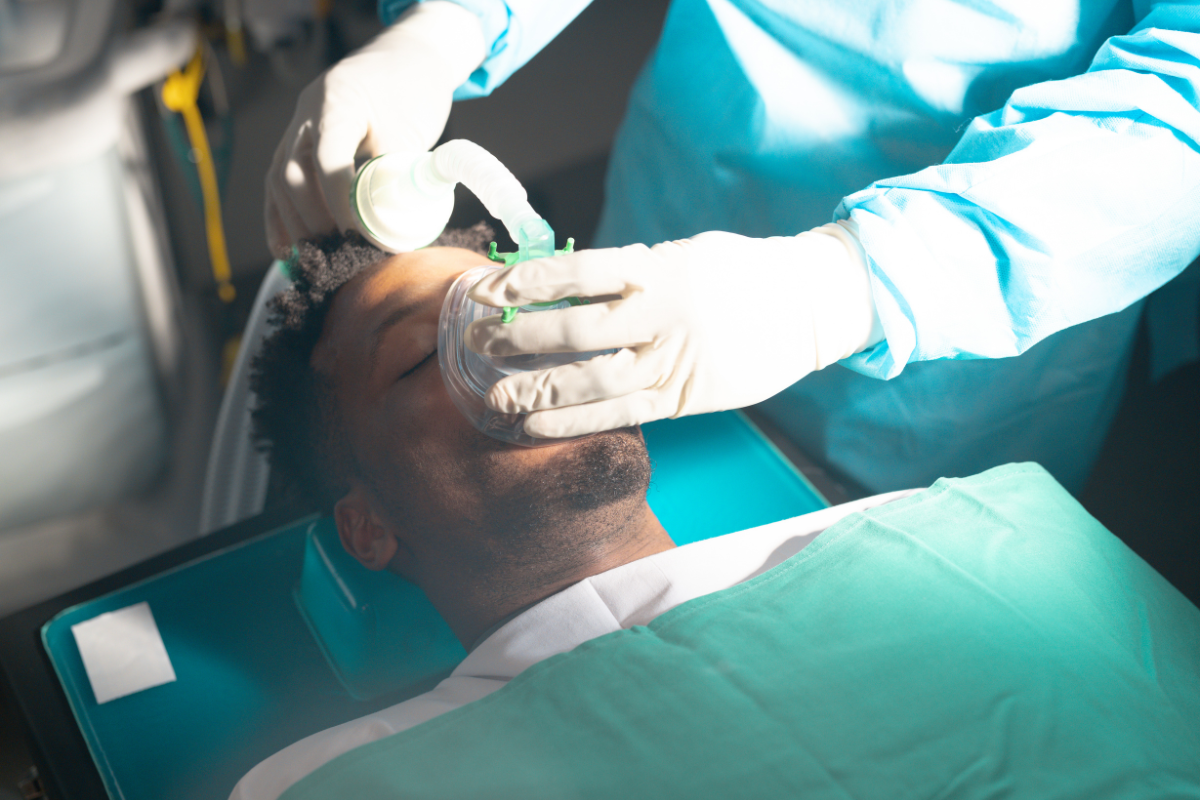
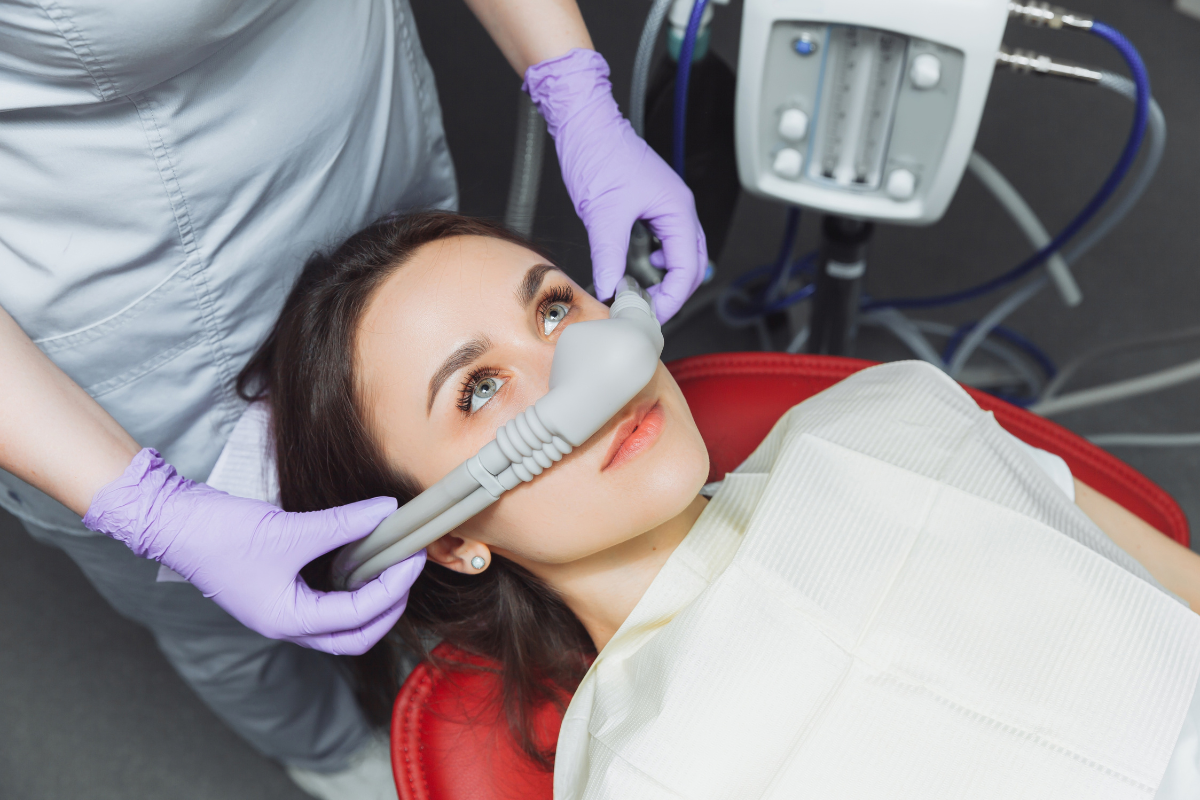
Nitrous oxide, often called laughing gas, is inhaled through a small mask placed over the nose. It may help you feel calm during treatment while remaining awake and able to respond to instructions.
Its effects usually wear off quickly after administration stops. Many patients can resume normal activities soon afterward, but your provider must confirm whether it is safe for you to drive or return to your usual routine.
Oral Sedation
Oral sedation involves taking a prescribed medication before the appointment. It may help reduce anxiety and cause drowsiness, although the level of sedation varies from person to person.
You may remain awake but feel less aware of the procedure. Because the effects can last beyond the appointment, you will generally need a responsible adult to drive you home and follow any additional recovery instructions.
Intravenous (IV) Sedation
IV sedation delivers medication through a vein, allowing the level of sedation to be adjusted during treatment by appropriately trained professionals.
Depending on the medication and depth of sedation, you may feel deeply relaxed and remember little of the procedure. IV sedation requires appropriate monitoring, qualified personnel, and specific preparation and recovery arrangements.
Not every dental practice offers every sedation method. Ask which options are available and appropriate for your treatment.
Is Sedation Dentistry Safe? Understanding the Risks
Sedation can be helpful when used appropriately, but it is not risk-free. Potential side effects vary by medication and may include drowsiness, nausea, dizziness, or changes in breathing and blood pressure. Deeper levels of sedation carry greater risks and require more extensive monitoring.
Before recommending treatment, your provider should review:
- Your medical history and current health conditions
- All prescription medications, over-the-counter medicines, and supplements
- Medication allergies and previous reactions to anesthesia or sedation
- Your history of sleep apnea or breathing problems
- Whether you have followed the required eating and drinking restrictions
Follow all pre-appointment instructions carefully. Do not change prescribed medication unless your healthcare provider tells you to do so.
Depending on the method used, you may need an escort home and should avoid driving, alcohol, operating machinery, and important decisions for the period specified by your care team.
Safety starts with proper screening, appropriate monitoring, and a sedation plan tailored to your needs. Ask questions about the procedure, who will administer the medication, and what recovery support you will need.
Who May Benefit From Sedation Dentistry?
Sedation may be worth discussing if you:
- Experience significant dental anxiety or fear.
- Have avoided dental care because of previous experiences.
- Have a strong gag reflex that interferes with treatment.
- Need a lengthy or complex dental procedure.
- Find it difficult to remain comfortable during dental treatment.
- Have special circumstances that make routine treatment challenging.
Sedation is not appropriate for everyone. Certain medical conditions, medications, pregnancy-related considerations, and other factors may affect your options. A professional evaluation is necessary before making a decision.
Finding a Comfortable Approach to Dental Care
Choosing a dental team that listens to your concerns can make an important difference. You should understand your treatment options, know what to expect, and have an opportunity to discuss your fears without feeling rushed.
At Columbus Periodontics and Implants, patients can discuss their dental treatment needs and ask whether sedation may be appropriate for their circumstances. An individualized assessment is essential because the right approach depends on your health, planned procedure, and level of anxiety.
Whether you need periodontal treatment or another procedure, the goal is to help you understand your options and receive care with appropriate comfort and safety measures.
Take the First Step Toward a More Comfortable Visit
Dental anxiety should not prevent you from protecting your oral health. With the right preparation, open communication, and an appropriate treatment plan, dental care may feel much more manageable.
If you are considering sedation dentistry in Columbus, contact Columbus Periodontics and Implants to discuss your concerns, learn which options may be suitable, and plan your next steps. Scheduling a consultation can help you get answers before treatment begins and make a more informed decision about your care.
Frequently Asked Questions
- Does sedation dentistry put you to sleep?
Not always. Nitrous oxide and many oral sedation approaches help patients relax while they remain awake. IV sedation can produce deeper levels of sedation, depending on the medication and dose. General anesthesia is different and involves a separate level of care.
- Will I feel pain during dental sedation?
Sedation can reduce anxiety and awareness, but it does not necessarily prevent pain by itself. Local anesthesia is commonly used to numb the treatment area. Tell your provider if you feel pain or discomfort during the procedure.
- How long does dental sedation last?
The duration depends on the medication, dose, and delivery method. Nitrous oxide usually wears off relatively quickly after administration stops, while oral and IV medications may cause lingering drowsiness. Follow your provider’s recovery instructions.
- Can I drive home after sedation dentistry?
You may be able to drive after nitrous oxide if your provider confirms that you have recovered fully and it is safe. Oral sedation and deeper forms of sedation generally require someone else to drive you home. Always follow the instructions specific to your treatment.
- Is sedation dentistry suitable for patients with dental anxiety?
It may be suitable for patients with mild to severe dental anxiety, depending on their medical history and treatment needs. Your provider can discuss sedation alongside other anxiety-management strategies and help determine the safest approach.
- Is sedation dentistry safe for everyone?
No. Sedation carries risks, and some medical conditions, medications, or breathing problems may affect eligibility. A review of your health history and a suitable monitoring plan are essential before treatment.
- Can I eat before a sedation dentistry appointment?
Instructions depend on the sedation method and your medical circumstances. You may need to avoid food and liquids for a specified period before some forms of sedation. Follow the exact instructions provided by your dental team rather than assuming that fasting is or is not necessary.
- Does dental insurance cover sedation?
Coverage varies by insurance plan, procedure, medical necessity, and type of sedation. Contact your insurer and dental office before treatment to confirm benefits, authorization requirements, and any expected out-of-pocket costs.
Medical Disclaimer – This article is intended for general educational purposes and does not replace professional medical or dental advice, diagnosis, or treatment. Sedation options, eligibility, risks, and recovery requirements vary by patient. Consult a qualified dental professional to determine which approach is appropriate for your health and treatment needs.