3180 Middle Rd, Columbus, IN 47203


For some patients, the hardest part of dental treatment is not the procedure itself—it is getting comfortable enough to sit in the dental chair. The sounds, anticipation, fear of discomfort, or memories of previous dental experiences can make even necessary care feel overwhelming.
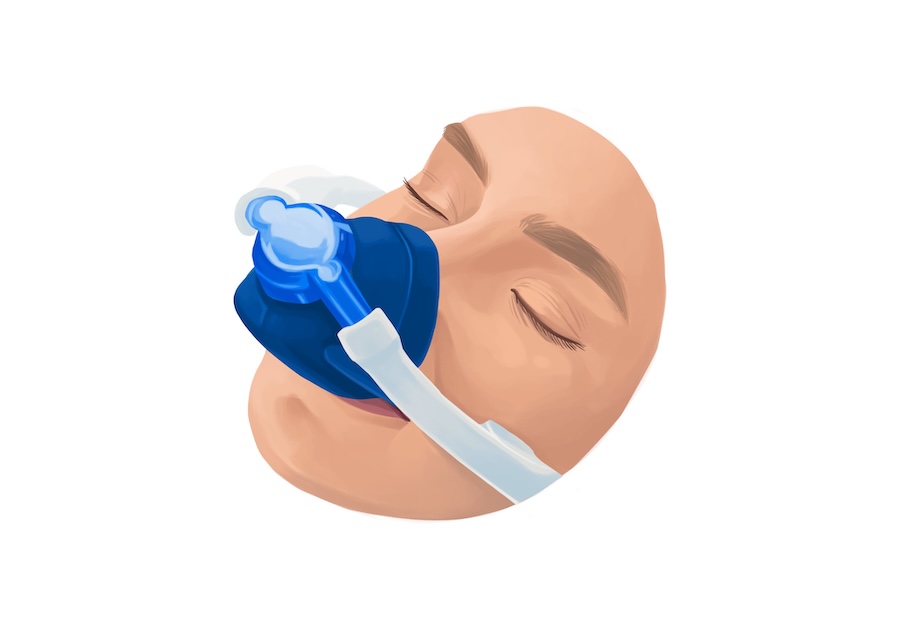
That is where sedation dentistry in Columbus can make a meaningful difference. Sedation uses medication to help patients feel calmer and more relaxed during certain dental procedures. Depending on the type of sedation and the treatment involved, you may remain awake and responsive while feeling much less anxious.
Understanding how sedation works, who may benefit from it, and what to expect can take much of the uncertainty out of your next dental visit.
Why Do Some Patients Need More Than Routine Dental Care?
Dental anxiety is more common than many people realize. Some patients become nervous about needles or instruments. Others worry about pain, have a sensitive gag reflex, or feel uncomfortable being unable to see what is happening during treatment.
For some, anxiety can become strong enough to delay or completely avoid dental care.
That avoidance can create a difficult cycle. A small dental concern may become more complicated when treatment is postponed. Gum disease can progress, damaged teeth may become harder to restore, and problems that could have been addressed earlier may eventually require more involved care.
Sedation does not mean you are unable to handle dental treatment. It is one tool that can help make necessary care more manageable.
What Is Sedation Dentistry?
Sedation dentistry involves using medication to create a calmer, more comfortable state during dental treatment.
The level of sedation can vary. Some forms involve minimal relaxation while you remain fully awake. Other approaches can produce a deeper level of relaxation and may cause you to remember little about the procedure.
Sedation is different from general anesthesia. With many dental sedation techniques, patients remain conscious and can communicate with the dental team. The appropriate method depends on factors such as your procedure, medical history, anxiety level, and the provider’s assessment.
Before treatment, your dental professional should explain the planned sedation method, what you may experience, and any preparation or aftercare requirements.
What Does Sedation Feel Like?
One of the biggest questions patients have is what they will actually feel.
The experience depends on the type and level of sedation. You may feel deeply relaxed, drowsy, or less aware of the sounds and sensations associated with treatment. Some patients describe feeling as though time passed quickly.
You may still be awake and able to respond to your dental team.
Importantly, sedation is intended to manage anxiety and improve comfort. Local anesthesia may still be used to numb the treatment area and control pain during dental procedures.
Your provider will determine which combination of techniques is appropriate for your treatment.
Who Can Benefit From Sedation Dentistry?
Sedation may be considered for patients who:
- Experience significant dental anxiety
- Have had difficult dental experiences in the past
- Have a strong gag reflex
- Struggle to remain comfortable during lengthy procedures
- Need extensive dental or periodontal treatment
- Have difficulty becoming relaxed in a dental setting
- Need multiple procedures completed during a treatment visit
It is not automatically necessary for every patient or every procedure.
A consultation allows your dental provider to determine whether sedation is appropriate and which approach may best fit your individual circumstances.
Is Sedation Dentistry Safe?
Sedation can be used safely when the patient is properly evaluated, the appropriate technique is selected, and the patient’s condition is monitored according to established standards.
However, sedation is still a medical treatment. It is not appropriate to assume that one method is safe for everyone.
Your provider may review your medical history, medications, allergies, previous reactions to anesthesia or sedation, and other relevant health information before treatment. This information helps the dental team plan appropriately and identify factors that may affect sedation.
Always provide complete and accurate information about medications and medical conditions before undergoing sedation.
What Happens Before a Sedation Appointment?
Preparation depends on the sedation method being used.
- Before treatment, your dental team may provide instructions about:
- Eating and drinking: You may receive specific restrictions before certain forms of sedation.
- Medications: Tell your provider about prescription medications, over-the-counter drugs, and supplements you take.
- Transportation: Depending on the sedation method, you may need a responsible adult to drive you home.
- Recovery: You may need to arrange time to rest after treatment rather than immediately returning to work, driving, or other normal activities.
Following these instructions is an important part of keeping the appointment as safe and comfortable as possible.
What Happens During Sedation Dentistry?
Your dental team will first prepare you for treatment and administer the planned sedation method.
Depending on the technique, you may become progressively more relaxed or drowsy. Your dental provider will monitor you throughout the procedure while completing the planned treatment.
You may still hear voices, feel pressure, or respond to simple instructions. The exact experience varies from person to person.
The purpose is not simply to make you sleepy. The goal is to create an appropriate level of relaxation and comfort while allowing the dental team to provide the necessary care.
What Should You Expect After Sedation?
Recovery depends on the type of sedation used.
Some patients may feel tired, groggy, or less alert for a period after treatment. If your provider instructs you not to drive, operate machinery, drink alcohol, or make important decisions after sedation, follow those instructions carefully.
Arrange transportation if your dental team requires it.
You should also follow all post-treatment instructions related to the dental procedure itself. Sedation may make the appointment more comfortable, but your mouth still needs appropriate care while it heals.
How Sedation Dentistry in Columbus Can Make Treatment Feel More Manageable
At Columbus Periodontics & Implants, sedation is available as part of the practice’s approach to helping patients feel more comfortable during periodontal and implant procedures. The practice explains that sedation options can help patients who experience anxiety or need additional support during treatment. Learn more about sedation dentistry
The practice also provides periodontal and implant-focused care, which can be particularly relevant for patients whose treatment involves gum disease, periodontal surgery, dental implants, or other procedures that may feel intimidating.
Treatment planning should always begin with an individual evaluation. Rather than choosing sedation based solely on anxiety, your provider can consider the procedure, your health history, and your comfort needs before recommending an appropriate approach.
Do You Have to Live With Dental Anxiety?
You do not have to let fear prevent you from getting necessary dental care.
If you have delayed periodontal or dental treatment because you are worried about discomfort, anxiety, or the overall experience, talk openly with your dental provider. There may be comfort options that can make treatment feel considerably more manageable.
Patients seeking sedation dentistry in Columbus can discuss their concerns with Columbus Periodontics & Implants and learn whether sedation may be appropriate for their planned treatment.
Schedule a consultation and discuss sedation options that may help you approach your needed dental care with greater comfort and confidence.
Frequently Asked Questions
- What is sedation dentistry and how does it work?
Sedation dentistry uses medication to help patients relax during dental treatment. Depending on the technique, you may remain awake and responsive while feeling calmer or more drowsy than usual.
- Is sedation the same as being put to sleep?
No. Many forms of dental sedation allow you to remain conscious and communicate with your dental team. The level of sedation varies, and general anesthesia is different from routine dental sedation.
- Will I still feel pain during dental sedation?
Sedation primarily helps reduce anxiety and promote relaxation. Local anesthesia is often used separately to numb the treatment area and control pain during a procedure.
- Who should consider sedation for dental treatment?
Sedation may be useful for patients with significant dental anxiety, a strong gag reflex, previous difficult dental experiences, or lengthy or complex treatment needs. Your provider must determine whether it is appropriate for you.
- Can I drive myself home after sedation dentistry?
That depends on the type of sedation used. Some patients may need someone else to drive them home and stay with them for a period afterward. Follow your provider’s specific instructions.
- How long does dental sedation last?
The effects depend on the medication and method used. Some forms wear off relatively quickly, while others can cause drowsiness for several hours. Your provider will explain what to expect before treatment.
- Is sedation dentistry safe for everyone?
Sedation is not appropriate for every patient. Your dental provider should review your health history, medications, allergies, and other relevant factors before deciding whether sedation is suitable.
- What should I do before a sedation appointment?
Follow all instructions from your dental team. Depending on the sedation method, you may have restrictions involving food, drinks, medications, transportation, and activity after treatment.
Medical Disclaimer: This article is for general educational purposes and does not replace an examination, diagnosis, or personalized medical or dental advice. Sedation methods, risks, preparation, and recovery vary by patient. Your dental provider should determine whether sedation is appropriate for your individual needs.