3180 Middle Rd, Columbus, IN 47203

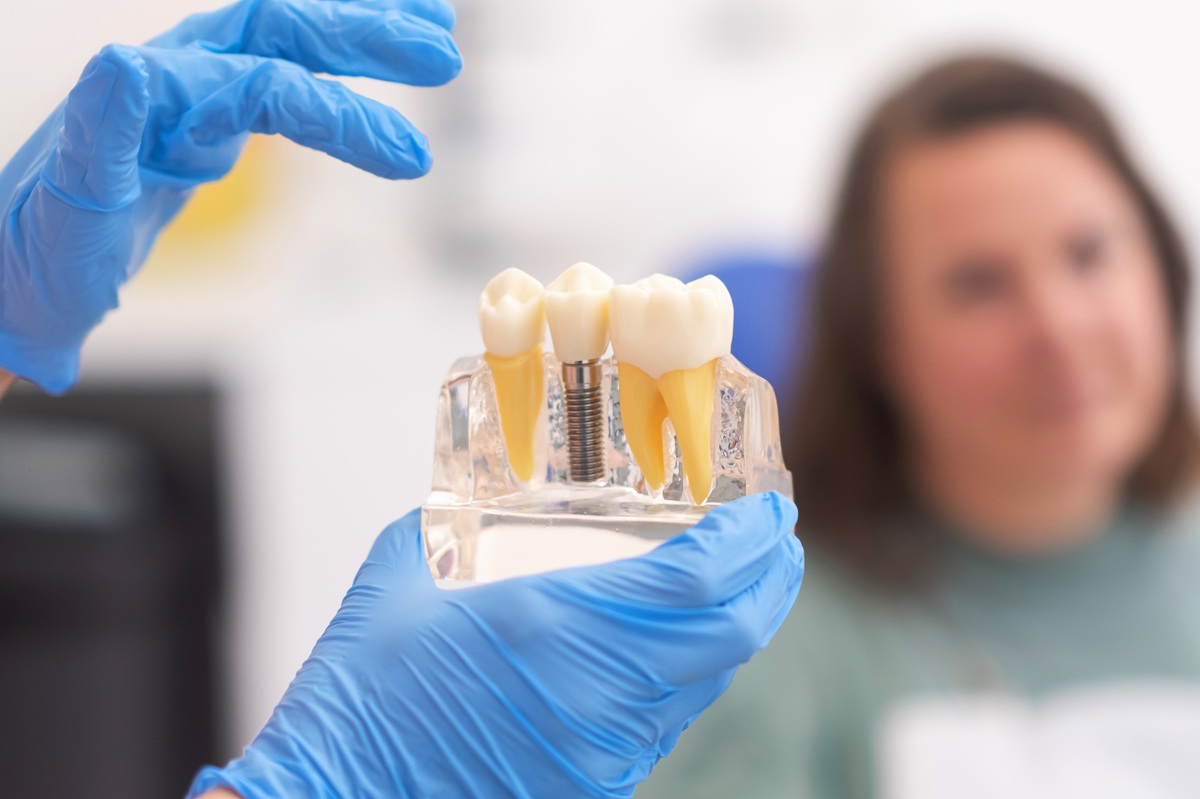
Missing teeth can change a lot more than your smile. They can affect how you eat, how you speak, and even how confident you feel when meeting someone new. If you’ve been thinking about replacing a tooth—or several—you’ve probably come across dental implants and wondered what the process actually looks like.
For many patients, the idea sounds bigger than it feels once they’re in the chair.
The good news? Getting implants is usually more straightforward than people expect. The process is planned carefully, done in stages, and personalized to your needs. At Columbus Periodontics and Implants, patients often tell us that once they understand the steps, the decision feels much less overwhelming.
If you’re considering Dental Implant, here’s what you can expect from start to finish.
Step 1: Your Consultation and Evaluation
Everything starts with a conversation.
During your first visit, your periodontist will examine your teeth, gums, and jawbone. This appointment helps determine whether implants are the right option for you and what treatment plan makes the most sense.
Your visit may include:
- A full oral exam
- Digital X-rays or 3D imaging
- Review of your health history
- Discussion of your goals and concerns
This is also the best time to ask questions. Want to know how long healing takes? Curious if sedation is available? Wondering if you’ll need a bone graft? Bring it up. Planning is one of the biggest reasons dental implant treatment has such strong long-term success.
Step 2: Preparing the Implant Site
Not every patient needs preparation before implant placement—but some do.
If you’ve been missing a tooth for a while, the jawbone in that area may have shrunk over time. Since implants need healthy bone support, your provider may recommend a procedure before placement.
That could include:
- Bone grafting to rebuild bone volume
- Tooth extraction if a damaged tooth is still present
- Gum treatment if periodontal disease needs to be addressed first
Healing times vary, but preparing the foundation is worth it. A stable implant starts with healthy bone and gums.
Step 3: Implant Placement Surgery
This is the step most patients worry about most—and often the one they say was easier than expected.
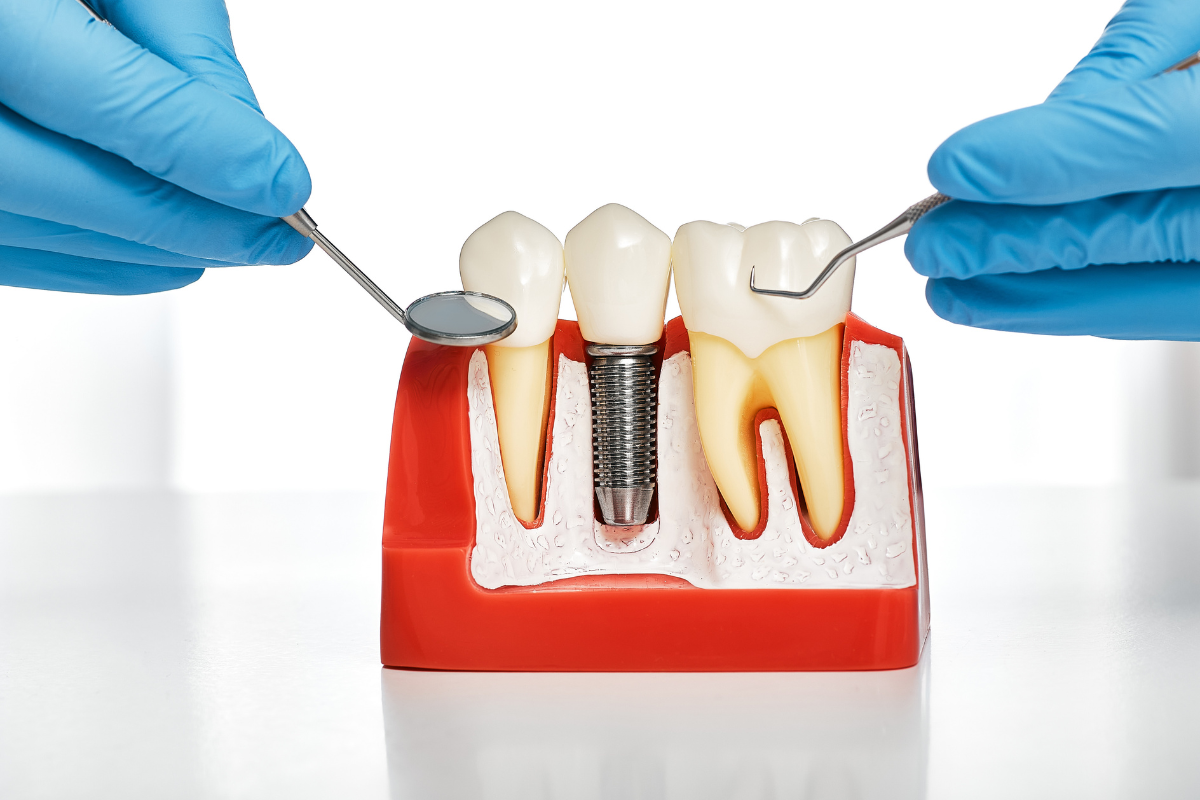
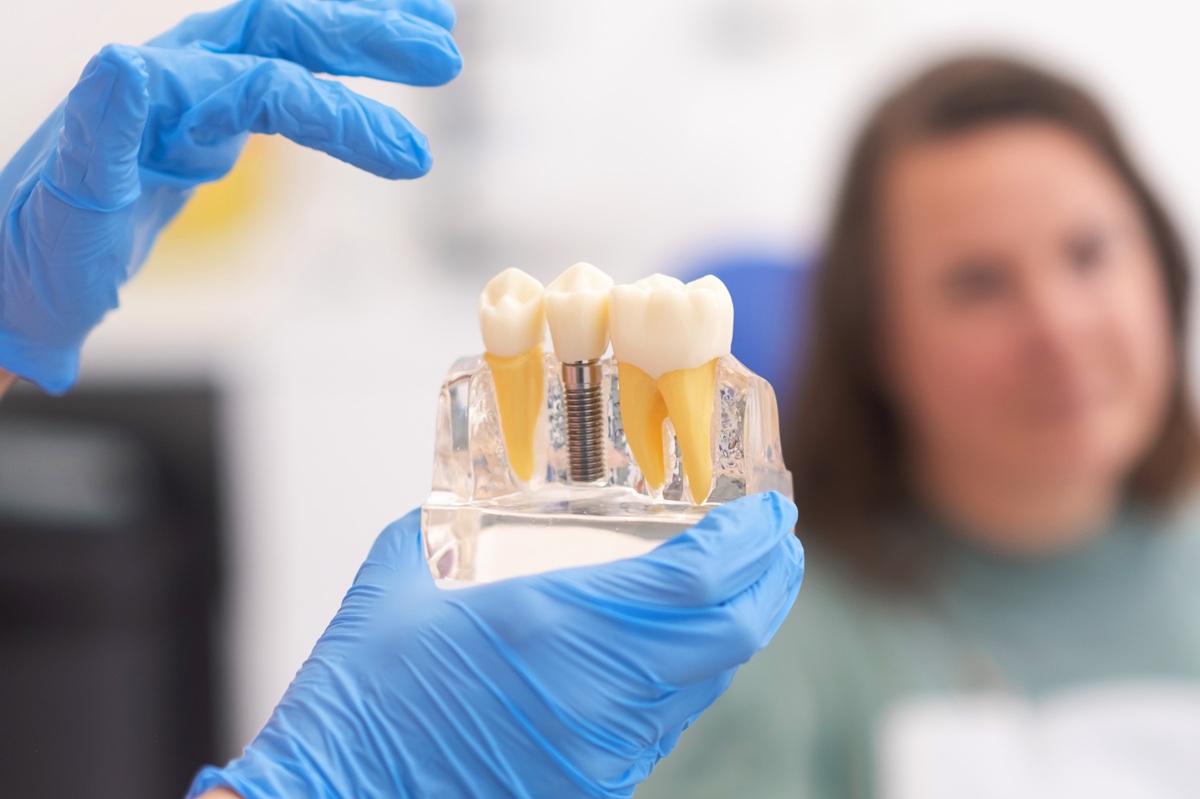
During the procedure, a small titanium post is placed into the jawbone. This post acts like an artificial tooth root.
Here’s what usually happens:
- Local anesthesia numbs the area
- Sedation may be offered for comfort
- The implant is placed precisely into the bone
- The site is closed and healing begins
Most patients compare recovery to having a routine extraction. Mild soreness, swelling, or tenderness is normal for a few days.
Soft foods and rest usually help.
Step 4: Healing and Osseointegration
This stage happens behind the scenes—but it’s one of the most important.
Over the next several months, the implant fuses with the jawbone through a process called osseointegration. Your bone naturally grows around the implant, locking it into place.
This creates the secure foundation needed to support a restoration.
Healing can take anywhere from:
- 3–6 months for many patients
- Longer if grafting was involved
During this phase, your care team monitors healing and makes sure everything is progressing properly.
Step 5: Abutment Placement
Once healing is complete, the next step is attaching the connector piece called an abutment.
The abutment sits above the gumline and connects the implant to the final restoration.
This is typically a minor procedure with minimal downtime.
Your dentist may also take impressions or digital scans at this stage so the final crown, bridge, or denture can be custom made to fit comfortably and look natural.
Step 6: Your Final Restoration
This is the exciting part.
Once your restoration is ready, it’s secured onto the implant.
Depending on your treatment plan, this may be:
- A single crown for one missing tooth
- A bridge for multiple missing teeth
- An implant-supported denture for full-arch replacement
Your restoration is designed to match your surrounding teeth in shape, size, and color.
When complete, it should feel stable, functional, and natural to your bite.
Patients often say this is the moment it finally feels like their smile is whole again.
What Recovery Feels Like
Everyone heals differently, but many patients return to normal routines quickly.
You may experience:
- Mild swelling
- Tenderness
- Minor bleeding immediately after surgery
- Temporary diet changes
Helpful recovery tips include:
- Stick with soft foods for the first few days
- Avoid smoking
- Follow brushing instructions carefully
- Take medications exactly as prescribed
- Keep follow-up appointments
Healing tends to be smooth when aftercare instructions are followed closely.
Why So Many Patients Choose Implants
Dental implants are popular because they replace more than what’s visible above the gumline.
Benefits can include:
- A natural-looking smile
- Better chewing function
- Improved speech
- Jawbone support
- Long-term durability
- No slipping like traditional removable dentures
They also help preserve facial structure over time by stimulating the jawbone—something traditional tooth replacement options can’t fully do.
A Local Note for Columbus Patients
Life in Columbus moves fast—between work, school schedules, Buckeye game weekends, and everyday routines, convenience matters.
That’s why many patients appreciate having a treatment plan mapped out clearly from the beginning. Knowing the timeline, expected visits, and healing phases makes fitting implant treatment into a busy schedule much easier.
Whether you’re commuting downtown, coming from Dublin, Westerville, or nearby neighborhoods, having a dedicated periodontal team can make the process feel more manageable from consultation to final restoration.
Ready to Take the First Step?
If you’ve been living with a missing tooth—or dealing with loose dentures or a failing tooth—you don’t have to keep working around it.
A consultation can give you clear answers and a personalized treatment plan based on your needs.
At Columbus Periodontics and Implants, our team helps patients explore whether Dental Implants are the right fit for restoring comfort, function, and confidence.
Book your consultation today and take the first step toward rebuilding your smile.
FAQs
How long does the full implant process take?
It depends on your case. Some patients complete treatment in a few months. Others may need closer to 6–9 months, especially if grafting or extraction is part of treatment.
Is implant surgery painful?
Most patients are surprised by how manageable it feels. The procedure is done with local anesthesia, and sedation options may also be available. Mild soreness afterward is common but usually temporary
How long do implants last?
With proper care, implants can last for decades. Good brushing habits, regular cleanings, and periodontal maintenance visits all help protect your investment.
Am I too old for dental implants?
Age alone usually isn’t the deciding factor. Overall oral health, bone support, and medical history matter more than age.
Can I replace more than one tooth?
Yes. Implants can replace one tooth, several teeth, or even support full-arch restorations.