3180 Middle Rd, Columbus, IN 47203

Losing a tooth can feel like a minor inconvenience at first—especially if it’s not visible when you smile. But what many people don’t realize is that delaying treatment can lead to a cascade of oral health issues that become harder (and more expensive) to fix over time.
At Columbus Periodontics and Implants, we often meet patients who wish they had acted sooner. If you’re putting off a dental implant, here’s what you need to know about what’s happening beneath the surface—and why timing matters more than you think.
If you’ve been considering your options, now is a great time to schedule a consultation and get clear, personalized guidance for your smile.
Why People Delay Dental Implants
Let’s be honest—life gets busy. Between work, family, and everything in between, dental care can sometimes take a backseat. Common reasons patients delay treatment include:
- Waiting for the “right time”
- Concerns about cost
- Fear of dental procedures
- Assuming a missing tooth isn’t urgent
While these concerns are understandable, delaying treatment can lead to bigger challenges down the road.
What Happens When You Wait Too Long?
1. Bone Loss Begins Sooner Than You Think
Your jawbone needs stimulation from tooth roots to stay strong. Once a tooth is missing, that stimulation stops—and the bone begins to shrink.
Within just a few months, bone loss can start. Over time, this can:
- Change your facial structure
- Make future implant placement more complex
- Require additional procedures like bone grafting
2. Neighboring Teeth Start to Shift
Your teeth work as a team. When one goes missing, the others begin to move into that empty space.
This can lead to:
- Misalignment
- Bite issues
- Increased risk of cavities and gum disease
What started as one missing tooth can quickly turn into multiple dental concerns.
3. Chewing Becomes Less Efficient
Even a single missing tooth can affect how you chew your food. You may start favoring one side of your mouth, which can:
- Cause uneven wear on teeth
- Lead to jaw discomfort or TMJ issues
- Impact digestion over time
4. Higher Risk of Gum Disease
Gaps in your smile can trap food particles and bacteria, making oral hygiene more difficult.
Without proper care, this can increase your risk of:
- Gum inflammation
- Periodontal disease
- Further tooth loss
5. Your Confidence May Take a Hit
Even if your missing tooth isn’t visible, it can still affect how you feel.
Many patients report:
- Avoiding smiling or laughing freely
- Feeling self-conscious in social situations
- Reduced confidence at work or events
Your smile plays a bigger role in your daily life than you might realize.
Does Delaying Affect Implant Success?
Yes—and this is important.
Dental implants rely on healthy bone for support. The longer you wait, the more bone you may lose, which can:
- Complicate the procedure
- Increase treatment time
- Raise overall costs
In some cases, patients who delay too long may need preparatory treatments before they’re even eligible for implants.
Why Acting Early Makes a Difference
Getting a dental implant sooner rather than later offers several benefits:
- Preserves jawbone structure
- Maintains alignment of surrounding teeth
- Shortens treatment time
- Improves long-term success rates
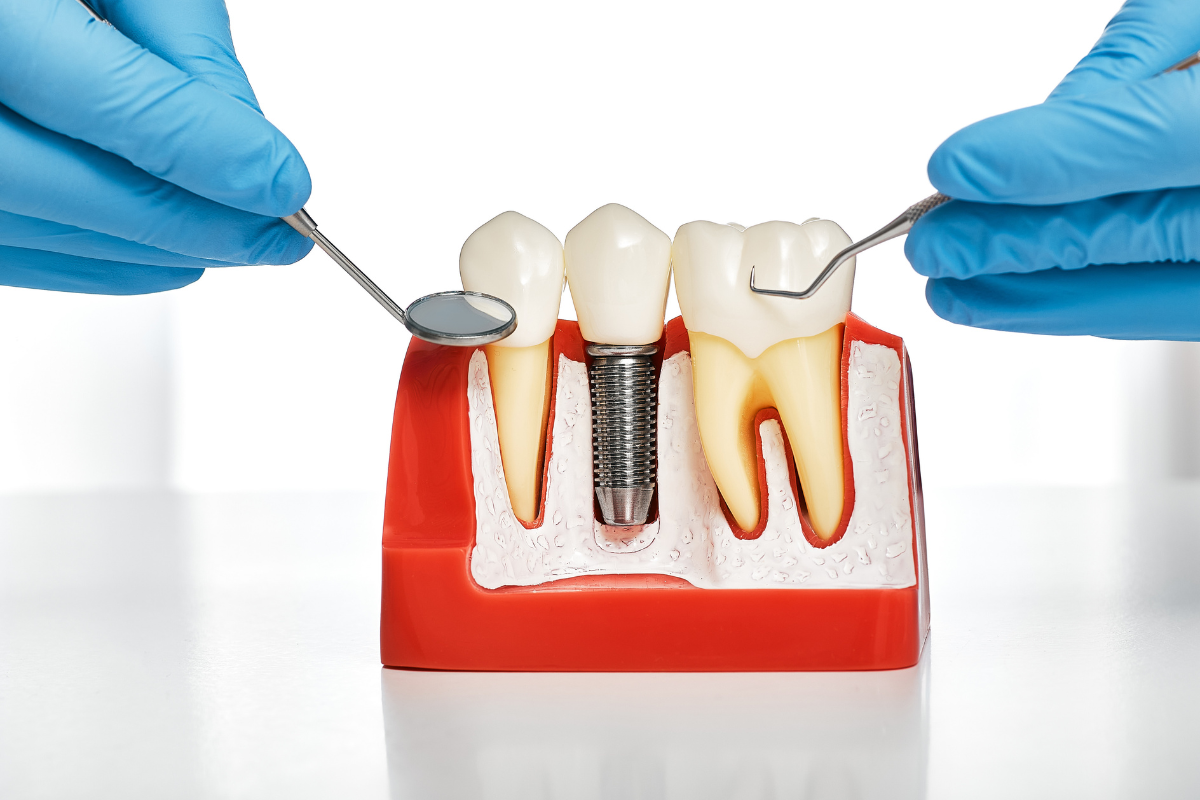
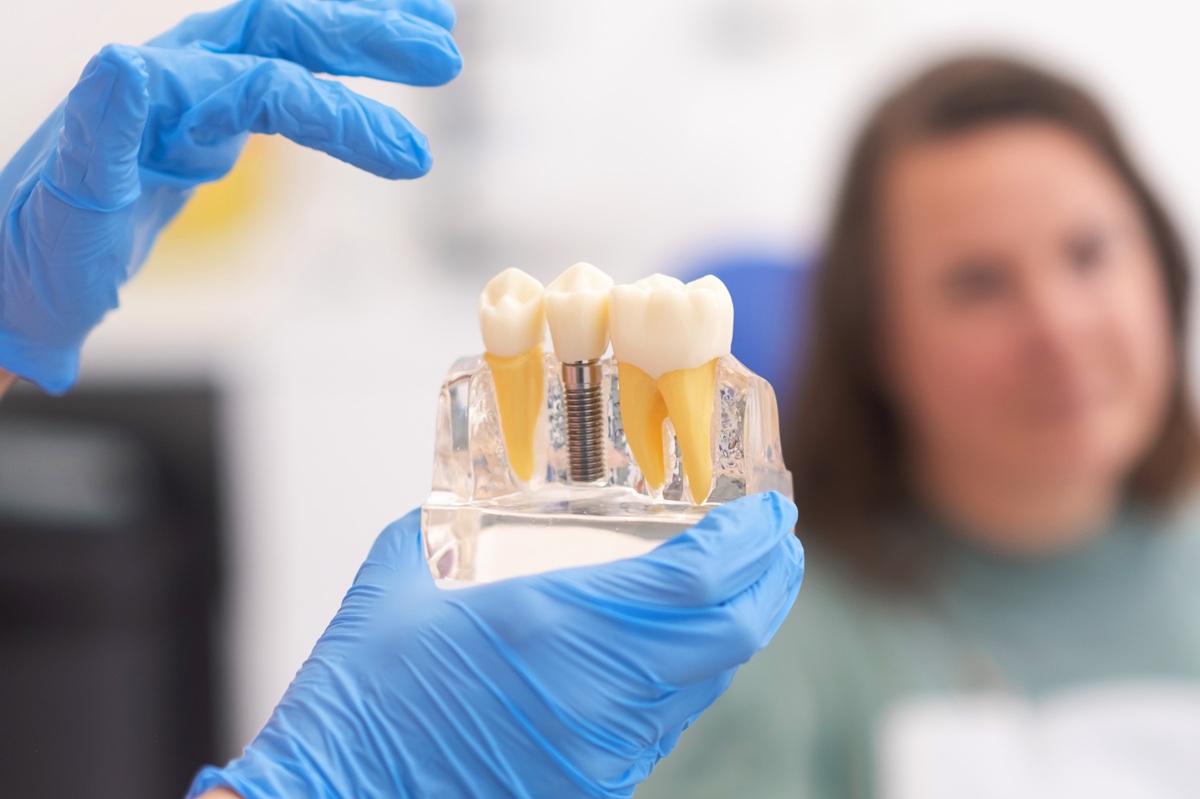
If you’re curious about how the process works from start to finish, many patients find it helpful to explore what typically happens during each stage of implant care before moving forward.
Local Insight: Why Columbus Patients Choose Early Treatment
Here in Columbus, we see a wide range of patients—from busy professionals downtown to families in surrounding neighborhoods—who want solutions that fit their lifestyle.
Many choose early implant treatment because:
- They want a long-term solution, not a temporary fix
- Active lifestyles make strong, stable teeth essential
- They value preventive care over reactive treatment
With modern technology and personalized care, dental implants have become more accessible and comfortable than ever.
Signs You Shouldn’t Wait Any Longer
If you’re experiencing any of the following, it’s time to consider moving forward:
- A missing tooth (even if it’s been years)
- Difficulty chewing or biting
- Shifting teeth or noticeable gaps widening
- Jaw discomfort or changes in facial shape
The earlier you act, the more options you’ll have.
Simple Steps to Get Started
Taking the first step doesn’t have to feel overwhelming. Here’s how to begin:
- Schedule a consultation
- Get a personalized evaluation
- Discuss your goals and concerns
- Create a treatment plan that works for you
At Columbus Periodontics and Implants, the focus is always on making the process clear, comfortable, and tailored to your needs.
Don’t Let Time Complicate Your Smile
Delaying a dental implant might seem harmless at first, but the long-term effects can be significant. From bone loss to shifting teeth, the consequences often go beyond what’s visible.
If you’ve been putting it off, consider this your sign to take action.
Your future smile—and your overall oral health—will thank you.
Ready to Take the Next Step?
If you’re in the Columbus area and thinking about dental implants, now is the perfect time to explore your options. A simple consultation can give you clarity, confidence, and a plan moving forward.
Book your appointment with us today and take the first step toward restoring your smile.
Frequently Asked Questions
How long can I wait before getting a dental implant?
There’s no strict deadline, but bone loss can begin within months. The sooner you act, the better your outcome is likely to be.
Is it ever too late to get an implant?
Not necessarily. Even if you’ve been missing a tooth for years, options like bone grafting may still make implants possible.
Are dental implants painful?
Most patients report minimal discomfort. The procedure is typically easier than expected, with a smooth recovery.
What if I’m nervous about the procedure?
That’s completely normal. A good dental team will walk you through every step and ensure you feel comfortable and informed.
How long do dental implants last?
With proper care, implants can last decades—making them one of the most reliable tooth replacement options available.