3180 Middle Rd, Columbus, IN 47203


Missing a tooth can affect more than your smile. It can make chewing uncomfortable, change how your bite feels, and leave you wondering what comes next. If you’re considering a dental implant, one of the most common questions is simple: How long will it take to heal?
The short answer is that most dental implants take several months to fully integrate with the jawbone, although the timeline varies from patient to patient. Some people can return to normal daily activities within a few days, while the deeper healing process continues for months.
At Columbus Periodontics and Implants, we help patients understand each stage of treatment so they know what to expect before, during, and after implant placement.
Ready to find out what your dental implant healing timeline may look like? Contact us to schedule an appointment and get a personalized treatment plan.
What Happens After a Dental Implant Is Placed?
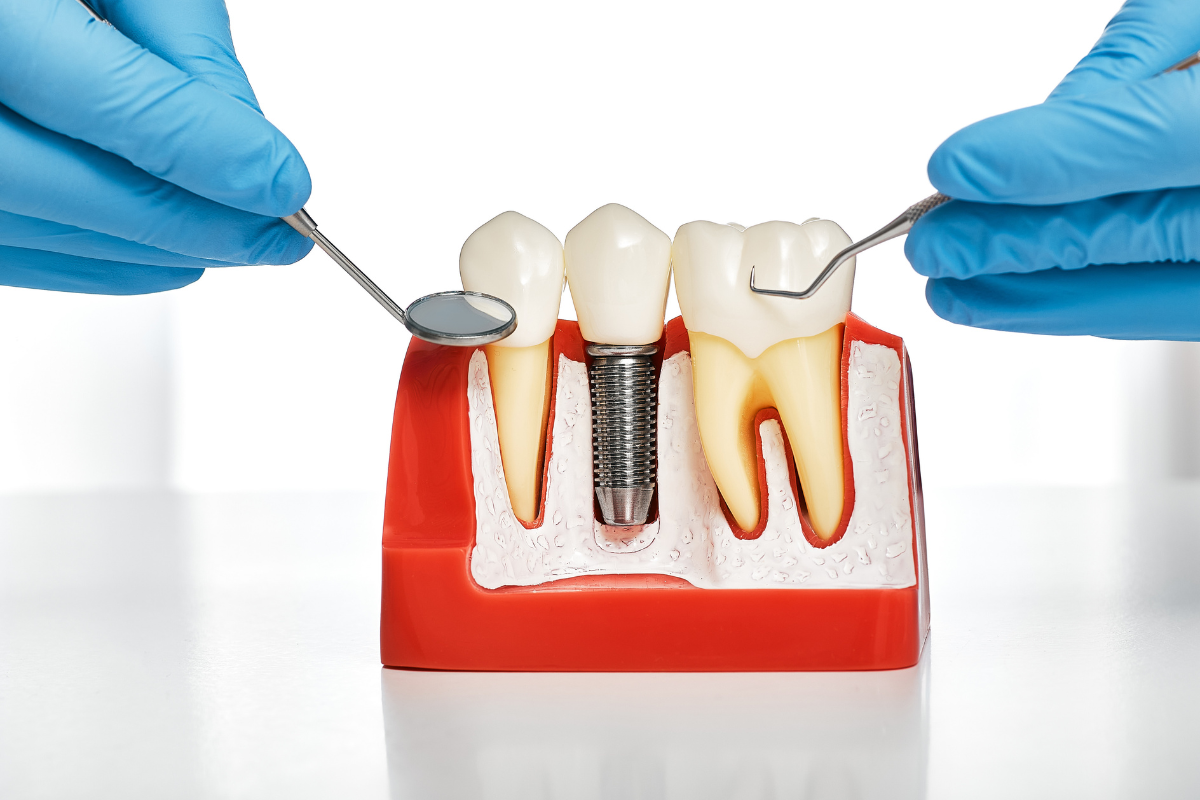
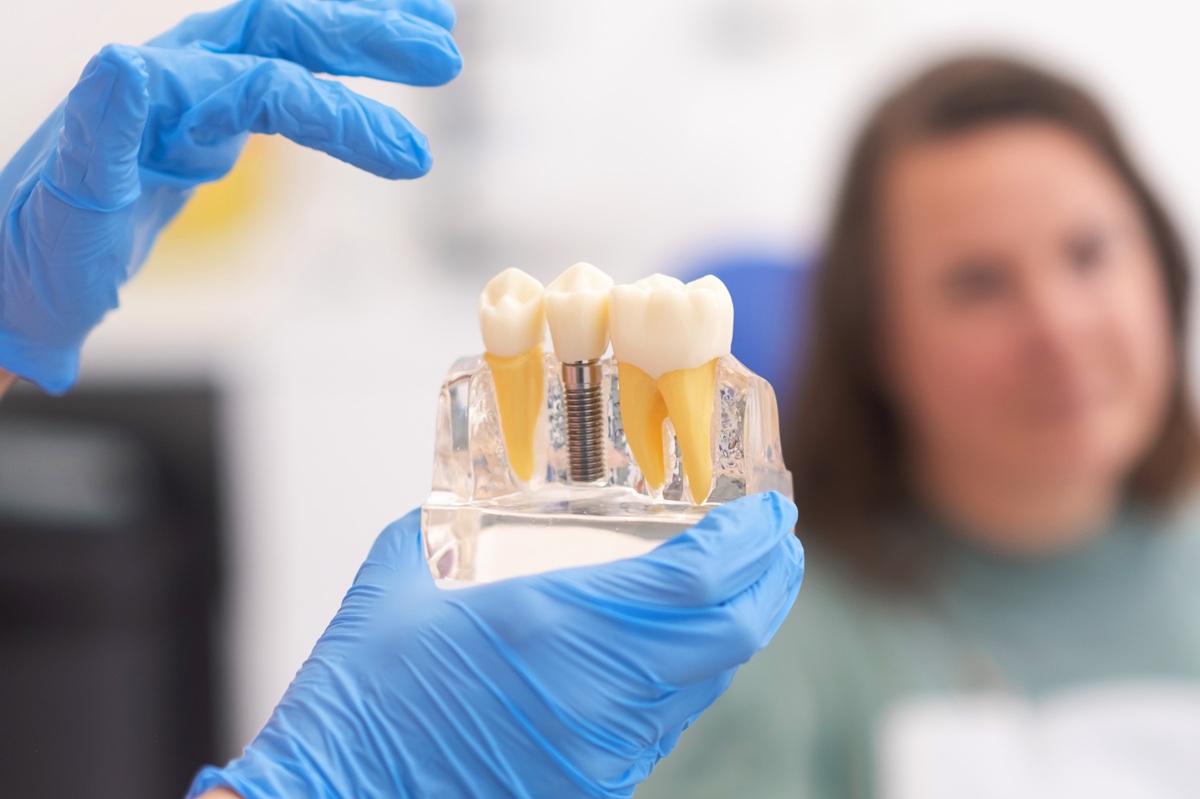
A dental implant doesn’t simply sit in the jaw like a replacement tooth. The implant post needs time to bond with the surrounding bone through a natural process called osseointegration.
This connection is what gives an implant its stability and allows it to function much like a natural tooth.
Healing generally happens in stages.
The First Few Days: Initial Recovery
The first 2–3 days are usually when swelling, tenderness, or mild discomfort is most noticeable.
Your periodontist may recommend:
- Eating softer foods
- Avoiding strenuous activity for a short period
- Keeping the surgical area clean as directed
- Taking prescribed or recommended medications
- Avoiding smoking or other habits that can interfere with healing
Many patients are surprised by how manageable the initial recovery can be when they follow their post-treatment instructions.
The First Few Weeks: Soft-Tissue Healing
During the next couple of weeks, the gum tissue around the implant continues to heal.
You may feel mostly back to normal during this period, but that doesn’t mean the implant is completely healed. The bone beneath the gum is still undergoing important changes.
That’s why it’s important not to rush back into chewing hard or crunchy foods directly over the treatment area unless your dental professional says it’s safe.
The Next Few Months: Bone Integration
This is the part of healing that takes the longest.
For many patients, complete osseointegration takes around 3–6 months, although the exact timeline depends on factors such as bone quality, implant location, overall healing, and whether additional procedures were needed.
Once the implant has integrated sufficiently with the jawbone, your provider can determine when it is ready for the next stage of restoration.
What Can Make Implant Healing Take Longer?
Not every patient follows the same timeline. Your treatment may take longer if you have:
- Insufficient jawbone that requires bone grafting
- A sinus lift or another supporting procedure
- Certain medical or healing considerations
- Poor oral hygiene
- Smoking or tobacco use
- Infection around the treatment area
- Difficulty following post-operative instructions
This doesn’t necessarily mean you cannot receive an implant. It simply means your treatment plan may need additional time or preparation.
A personalized evaluation is the best way to understand your expected healing period.
Does the Implant Feel Normal While It Heals?
Not necessarily.
You may experience some tenderness or sensitivity early on, but the implant itself should not normally feel increasingly painful as healing progresses.
If you notice worsening pain, significant swelling, persistent bleeding, fever, drainage, or anything that concerns you, contact your dental provider promptly.
Remember: feeling better doesn’t always mean the implant is fully healed. The bone integration process happens beneath the surface.
How Can You Support a Smooth Recovery?
Your everyday habits can make a difference.
Follow your aftercare instructions. Your provider knows the details of your procedure and can give you specific guidance.
Protect the surgical area. Avoid putting unnecessary pressure on the implant while it heals.
Keep your mouth clean. Good oral hygiene helps protect the surrounding tissues, but follow your provider’s instructions about brushing and rinsing near the surgical site.
Attend follow-up appointments. These visits allow your periodontist to monitor healing and determine when you’re ready for the next step.
Don’t smoke. Tobacco can interfere with healing and increase the risk of complications.
For patients balancing work, family, and busy schedules around Columbus, planning ahead for a few quieter days after treatment can make recovery easier.
What If You Need a Bone Graft?
Sometimes there isn’t enough healthy bone to support an implant immediately. In these situations, a bone graft may be recommended before or alongside implant placement.
This can add to the overall treatment timeline because the graft needs time to heal and develop enough strength before the implant can be fully supported.
Your evaluation will help determine whether additional preparation is necessary.
When Can You Get Your Replacement Tooth?
The implant post and the visible replacement tooth are not always placed at the same time.
Depending on your individual case, your treatment may involve:
- Evaluation and treatment planning
- Implant placement
- Initial gum healing
- Bone integration
- Placement of the restoration or crown
- Final adjustments and follow-up
Some patients may qualify for a faster approach, while others benefit from allowing more time between stages. Your periodontist will recommend the safest timeline based on how your tissues and bone are healing.
Choosing the Right Implant Provider Matters
A successful implant isn’t just about placing an implant post. Careful planning, healthy gums, adequate bone support, proper placement, and appropriate follow-up all play important roles.
If you’re researching a dental implant in Columbus, Columbus Periodontics and Implants can evaluate your oral health, discuss your options, and create a treatment plan based on your individual needs.
Ready to Find Out How Long Your Treatment May Take?
There is no one-size-fits-all healing schedule for dental implants. The best way to understand your timeline is to have your teeth, gums, and jawbone evaluated by an experienced periodontal team.
Contact Columbus Periodontics and Implants to schedule an appointment and take the next step toward a stable, natural-looking replacement for your missing tooth.
Frequently Asked Questions
How long does a dental implant take to heal completely?
The bone integration process commonly takes about 3–6 months, but healing times vary. Additional procedures or individual health factors can extend the timeline.
Can I work after implant surgery?
Many patients return to normal activities relatively quickly, but it depends on the complexity of the procedure and the type of work you do. Your provider can give you personalized guidance.
How long will I be swollen after an implant?
Swelling is often most noticeable during the first few days and gradually improves. Following your post-operative instructions can help support a comfortable recovery.
Can an implant fail to heal properly?
Although implants have high success rates, complications can occur. Infection, inadequate bone support, smoking, and other factors can affect healing. Regular follow-up helps identify concerns early.
Is implant treatment painful?
Most patients receive anesthesia during placement, so they should not feel the procedure itself. Some soreness, swelling, or tenderness afterward is normal and can usually be managed with appropriate aftercare.