3180 Middle Rd, Columbus, IN 47203

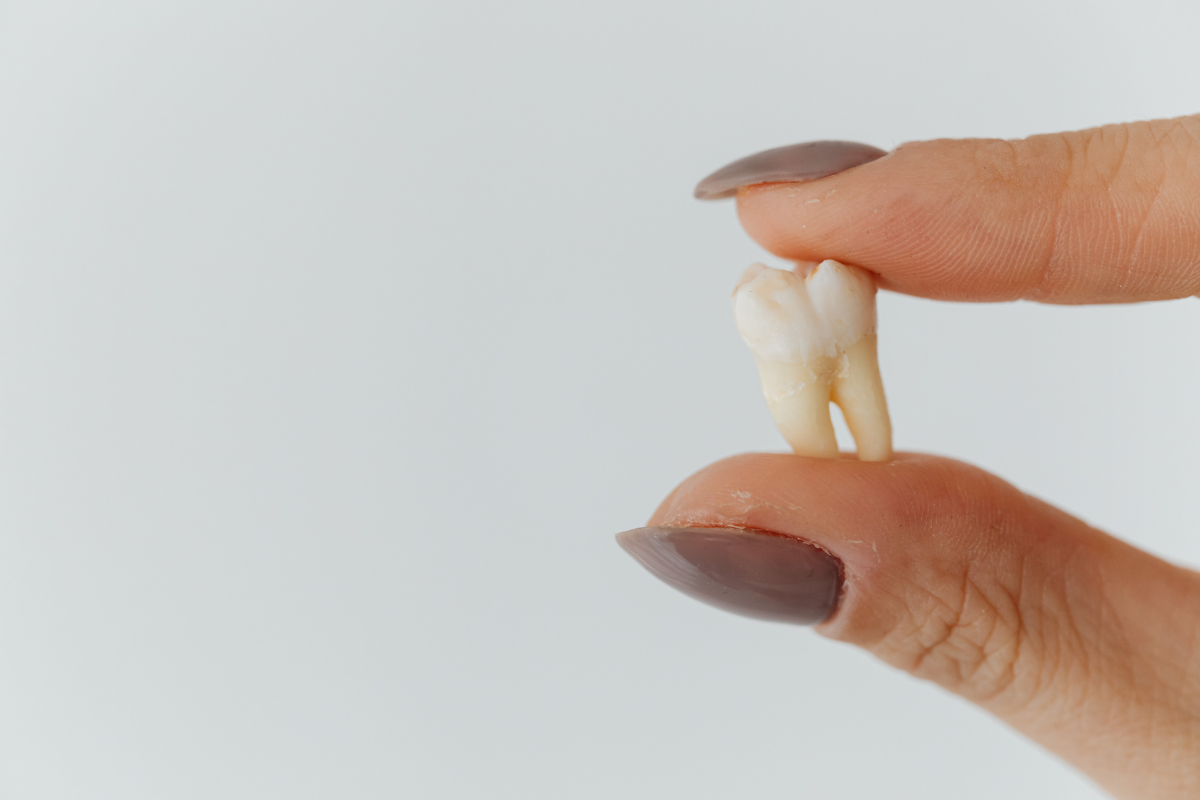
You just found out a tooth has to come out.
Maybe it’s cracked beyond repair. Maybe it’s a wisdom tooth causing pain in the back of your jaw. Maybe an infection has spread too far to save it.
Whatever the reason, one thought is probably running through your head right now: What happens after?
It’s a fair question. Most people focus so much on the procedure itself that no one really explains what the days afterward actually look like, what’s normal, what’s not, and how to protect the healing site while it matters most.
That’s exactly what this guide covers. If you’re preparing for a tooth extraction in Columbus, here’s what the recovery process really involves, step by step, so you’re not left guessing.
Why the Days After Matter More Than People Realize
Here’s something many patients don’t expect: the extraction itself is often the easy part.
Recovery is where healing actually happens, and where most complications, if they occur, tend to show up. A blood clot has to form and stay in place. New tissue has to grow. The bone underneath needs time to settle.
Rush this process, or skip the aftercare instructions, and you risk slowing everything down, or worse, running into a painful complication that could have been avoided.
What Can Go Wrong Without Proper Aftercare
Ignoring aftercare guidance isn’t just uncomfortable. It can lead to real setbacks, including:
- Dry socket, one of the most painful complications, caused when the blood clot is dislodged too early.
- Infection at the extraction site, which can delay healing and require additional treatment
- Prolonged bleeding or swelling that lasts longer than it should
- Bone or gum tissue that doesn’t heal evenly, affecting future dental work
- Unnecessary pain that could have been minimized with the right care
The good news is that most of these risks are highly preventable, as long as you know what to do and when.
The Tooth Extraction Recovery Timeline
Every patient heals a little differently, but most recoveries follow a predictable pattern.
The First 24 Hours
This window matters the most. A blood clot needs to form and stay undisturbed at the extraction site.
During this time:
- Bite gently on gauze to control bleeding.
- Avoid rinsing, spitting forcefully, or using a straw.
- Stick to cool, soft foods like yogurt or applesauce
- Rest with your head slightly elevated.
- Avoid smoking completely, as it significantly raises the risk of dry socket.
Days 2 to 3
Swelling often peaks around this point before it starts to improve. Mild discomfort is normal and usually manageable with recommended pain relief.
You can typically begin gently rinsing with warm salt water after the first 24 hours to help keep the area clean.
Days 4 to 7
Most patients notice a clear improvement by this stage. Pain and swelling continue to fade, and many people feel comfortable returning to normal activities.
The socket is still healing internally, though, so it’s important to continue avoiding hard, crunchy, or sticky foods near the site.
Weeks 2 to 3
Soft tissue around the extraction site is usually well healed by now. Any lingering tenderness should be minimal.
Full Healing
Complete bone healing beneath the surface can take a few months, even though the visible area feels normal much sooner. This is especially relevant if a dental implant is planned for the future.
The Professional Approach to a Smoother Recovery
A well managed tooth extraction starts before the procedure even happens.
At Columbus Periodontics & Implants, every patient receives clear, specific aftercare instructions tailored to their extraction, not a generic printout. Factors like tooth location, complexity of the extraction, and whether future tooth replacement is planned all shape the recovery plan.
We also make sure patients know exactly what’s normal to expect and what warning signs mean it’s time to call us, so no one is left wondering or worrying unnecessarily during recovery.
Trusted Care Across Columbus
Patients throughout Columbus and nearby communities come to us for extractions that require a more precise approach, including complex cases involving impacted teeth or extractions planned alongside future implant placement.
We take the time to walk through the entire process with you, from the procedure itself to every stage of healing that follows. Recovery shouldn’t feel like guesswork, and with the right guidance, it doesn’t have to.
Healing Starts With the Right Guidance
A smooth recovery after a tooth extraction isn’t about luck. It’s about knowing what to expect and following the right steps at the right time.
If you’re facing an upcoming extraction, or you’re already experiencing pain from a tooth that needs attention, don’t wait until it becomes an emergency.
Schedule your consultation with Columbus Periodontics & Implants today, and get a clear, personalized recovery plan before you ever sit in the chair.
Frequently Asked Questions
- How long does it take to fully recover from a tooth extraction?
Soft tissue healing typically takes one to two weeks, while complete bone healing beneath the surface can take a few months. Most people return to normal activities well before full healing is complete. - What foods can I eat after a tooth extraction?
Soft, cool foods like yogurt, mashed potatoes, and smoothies (eaten with a spoon, not a straw) are ideal for the first few days. Gradually reintroduce firmer foods as healing progresses. - How do I know if I have dry socket?
Dry socket often causes sharp, throbbing pain that starts a few days after extraction, sometimes radiating to the ear or jaw. It’s different from normal post extraction soreness and should be evaluated right away. - When can I brush my teeth after an extraction?
You can usually resume gentle brushing the day after the procedure, avoiding the extraction site directly. Rinsing with warm salt water helps keep the area clean without disturbing the healing clot. - Is it normal to have swelling for several days after extraction?
Yes. Swelling often peaks around day two or three before gradually improving. Ice packs during the first 24 hours can help manage it. - Can I go to work or school the day after a tooth extraction?
Many patients feel comfortable returning to light activities within a day or two, depending on the complexity of the extraction. Strenuous activity should typically wait a few more days. - What’s the difference between a simple and surgical extraction recovery?
Simple extractions generally involve a shorter, more straightforward recovery, while surgical extractions, often used for impacted teeth, may involve more swelling and a slightly longer healing period. - Do I need a tooth replacement after an extraction?
Not always, but for many patients, replacing the tooth helps prevent shifting, bone loss, and bite changes over time. This is often discussed as part of the extraction consultation.
Ready for a Smoother, More Guided Recovery?
You don’t have to navigate tooth extraction and recovery on your own. Columbus Periodontics & Implants is here to walk you through every step, from the procedure to full healing, with a plan built around your specific needs. Reach out today to schedule your consultation.
Medical Disclaimer: This article is for general educational purposes only and is not a substitute for professional dental or medical advice, diagnosis, or treatment. Always consult a licensed dental professional regarding your specific condition before making treatment decisions.
Related Articles