3180 Middle Rd, Columbus, IN 47203

Losing a tooth can affect much more than your appearance. It can make chewing harder, change the way you speak, and leave you feeling self-conscious about smiling. Even one missing tooth can gradually affect the way your remaining teeth function.
The good news is that replacing a missing tooth does not have to mean settling for an uncomfortable or inconvenient solution.
Dental implants Columbus patients may consider are designed to replace missing teeth from the root upward, creating a stable foundation for a crown, bridge, or other restoration. Unlike removable dentures, implants are placed into the jawbone and are designed to function more like natural tooth roots.
But are dental implants right for everyone? Understanding how they work, their benefits, potential limitations, and what the treatment process involves can help you decide whether it is time to discuss tooth replacement with a dental professional.
Why Replacing a Missing Tooth Matters
It is easy to put off replacing a missing tooth when there is no pain.
After all, if the extraction site has healed and you can still eat relatively normally, why rush?
The problem is that a missing tooth can affect more than the visible gap in your smile.
Your teeth work together as a system. When one is lost, nearby teeth may gradually shift toward the open space. This can change your bite and make cleaning certain areas more difficult.
The jawbone can also lose stimulation after a tooth is removed. Over time, bone resorption may change the shape and volume of the area where the tooth was located.
Replacing the tooth can help restore function while supporting a more complete smile.
What Are Dental Implants?
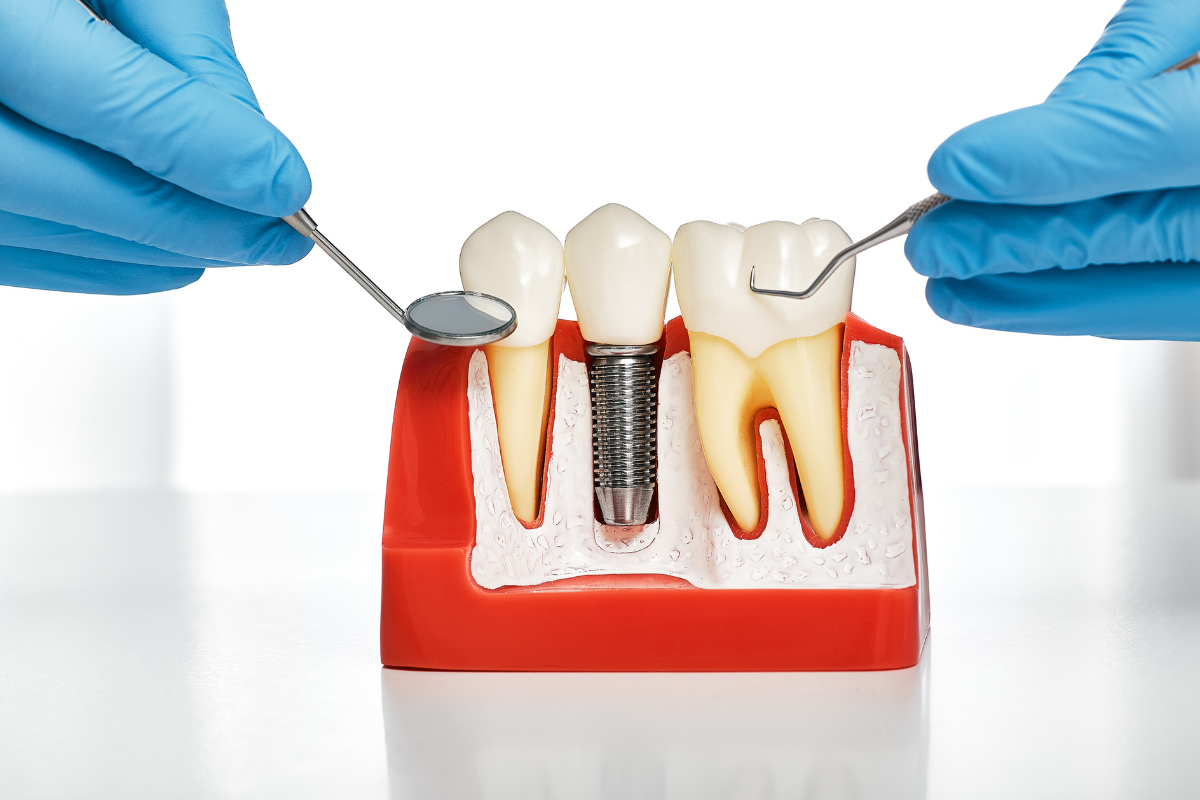
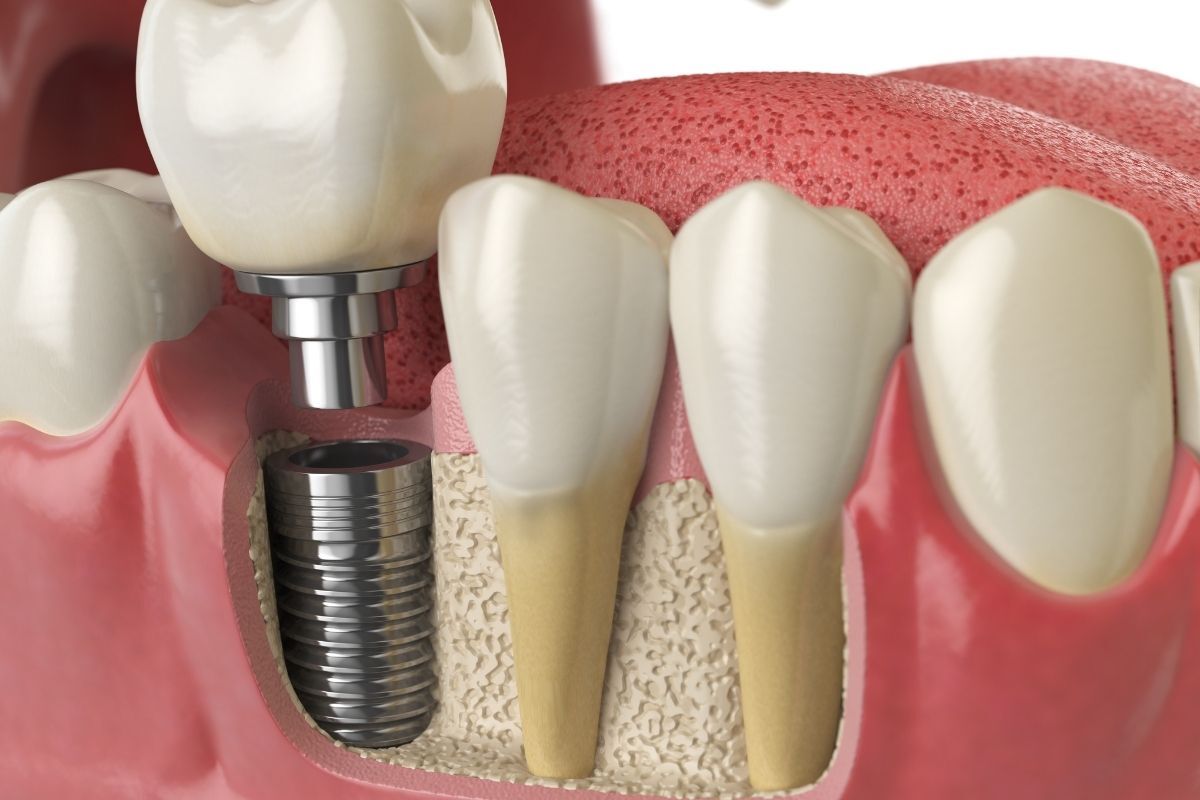
Dental implants are tooth-replacement structures that typically consist of three main components:
Implant post: A small post, often made from titanium or another biocompatible material, is surgically placed into the jawbone.
Abutment: This connector attaches the implant to the replacement tooth.
Dental crown: The crown is the visible portion designed to restore the appearance and function of the missing tooth.
The implant post acts as an artificial tooth root. Over time, the surrounding bone can integrate with the implant in a process called osseointegration.
Once healing and integration have progressed sufficiently, the implant can support the final restoration according to the treatment plan.
The exact process varies depending on the number of missing teeth, bone condition, overall oral health, and type of restoration being planned.
The Benefits of Dental Implants
- They Can Restore Everyday Function
Missing teeth can make biting and chewing less comfortable.
An implant-supported restoration can provide a stable replacement that allows many patients to return to a more natural eating routine after treatment and healing.
- They Can Look Like Natural Teeth
The visible crown is designed to blend with the surrounding teeth in shape, size, and color.
When properly planned and restored, an implant can become a natural-looking part of your smile rather than a noticeable replacement.
- They Do Not Rely on Neighboring Teeth for Support
Traditional dental bridges typically use adjacent teeth as support.
A dental implant is anchored within the jawbone, which means the replacement tooth can be supported independently in many cases.
This can be an important consideration when determining which tooth-replacement option makes sense for you.
- They Can Help Preserve the Jawbone
Natural tooth roots stimulate the surrounding bone. After tooth loss, that stimulation decreases.
An implant can provide a form of root replacement and may help maintain bone in the area when appropriate.
However, the amount of bone preservation possible varies between patients and depends on several biological and clinical factors.
- They Can Provide a Long-Term Tooth Replacement Option
Dental implants are designed for long-term use and can function for many years with proper care.
Their longevity depends on factors such as oral hygiene, gum health, biting forces, smoking or tobacco use, medical conditions, and regular professional care.
No tooth replacement should be considered maintenance-free.
Are Dental Implants Right for Everyone?
Dental implants can be an excellent option for many patients, but they are not automatically appropriate in every situation.
Before treatment, a dental professional needs to evaluate factors such as:
- The health and amount of available jawbone
- Gum health
- The condition of neighboring teeth
- Oral hygiene
- Overall medical history
- Smoking or tobacco use
- Bite and chewing forces
- The location of the missing tooth
- The type of restoration required
Some patients may need additional procedures before an implant can be placed. For example, bone grafting may be considered when there is not enough bone volume to support an implant in the planned location.
In other cases, a bridge or removable restoration may be more appropriate.
The right decision should be based on your individual anatomy and treatment goals rather than choosing an option simply because it is popular.
What Happens During Dental Implant Treatment?
The implant process generally takes place over multiple stages.
Step 1: Comprehensive Evaluation
Your dentist examines your mouth and evaluates the missing tooth area. Dental imaging may be used to assess the jawbone, surrounding structures, and implant placement site.
Step 2: Treatment Planning
Your dental team develops a treatment plan based on your oral health, bone condition, bite, and desired restoration.
Step 3: Implant Placement
The implant post is placed into the jawbone during a surgical procedure. The area then needs time to heal.
Step 4: Healing and Integration
The implant gradually integrates with the surrounding bone. This process can take several months depending on individual healing and treatment factors.
Step 5: Final Restoration
Once the implant is ready to support the restoration, an abutment and custom crown or other prosthetic restoration can be placed.
The overall timeline varies significantly. Some patients require additional procedures or healing periods, so a dental professional should provide your specific treatment timeline.
What Happens If You Delay Replacing a Missing Tooth?
Waiting does not always create an immediate problem, but delaying treatment can allow certain changes to develop.
Possible concerns include:
- Movement of neighboring teeth
- Changes in your bite
- Difficulty cleaning around shifted teeth
- Reduced chewing efficiency
- Continued jawbone loss
- Increased wear on remaining teeth
- Changes in facial or smile appearance
This does not mean every missing tooth must be replaced with an implant.
Instead, it means that missing teeth should be evaluated so you understand what may happen if you leave the space untreated.
Dental Implants: Why a Personalized Evaluation Matters
When considering tooth replacement, the most important question is not simply whether implants are available. It is whether they are appropriate for your particular situation.
At Columbus Periodontics and Implants, patients can discuss tooth loss, replacement options, oral health concerns, and treatment goals during an individualized evaluation.
For patients in Columbus and surrounding communities, understanding the available options before beginning treatment can make the decision less overwhelming. A dental professional can explain whether an implant, bridge, denture, or another restoration may better fit your needs.
The goal is to develop a treatment plan based on your oral health rather than a one-size-fits-all approach.
Ready to Take the Next Step?
A missing tooth is not something you have to simply learn to live with. Modern tooth-replacement options can help restore chewing function, improve your smile, and support your long-term oral health.
If you have been considering dental implants columbus, call us to schedule an implant consultation and learn whether dental implants are appropriate for your smile, oral health, and long-term goals.
Getting an evaluation sooner can help you understand your options before additional tooth movement or bone changes complicate the situation. A personalized consultation gives you the information needed to make a confident, informed decision about replacing your missing tooth.
Frequently Asked Questions
- What are dental implants used for?
Dental implants are used to replace missing teeth. An implant post is placed into the jawbone and can support a crown, bridge, or other restoration depending on the patient’s needs.
- How long do dental implants last?
Dental implants are designed as a long-term tooth-replacement option. Their lifespan varies from person to person and depends on oral hygiene, gum health, biting forces, lifestyle factors, medical conditions, and regular dental care.
- Are dental implants painful?
Implant placement is performed with anesthesia to help control discomfort during the procedure. Some soreness, swelling, or tenderness can occur during the healing period. Your dental professional can provide specific aftercare instructions.
- How long does the dental implant process take?
Treatment time varies. Some patients may need several months for healing and implant integration before receiving the final restoration. Additional procedures, such as bone grafting, can extend the timeline.
- Can I get a dental implant if I have bone loss?
Possibly. The amount and location of bone loss need to be evaluated before treatment. Some patients with insufficient bone may be candidates for bone grafting or other procedures before implant placement.
- Are dental implants better than dentures?
There is no single tooth-replacement option that is best for every patient. Implants are fixed in the jawbone, while dentures are removable. Your dental professional can compare the options based on your oral health, anatomy, goals, and budget.
- Can dental implants replace multiple missing teeth?
Yes. Depending on the situation, implants can support individual crowns, implant-supported bridges, or implant-supported dentures. The appropriate approach depends on how many teeth are missing and the condition of the jawbone and gums.
- How do I care for dental implants?
Implants still require daily oral hygiene and professional dental care. Brush and clean between your teeth as recommended, maintain healthy gums, and attend regular dental examinations so your implant and surrounding tissues can be monitored.
Medical Disclaimer – This article is for general educational purposes and does not replace an examination, diagnosis, or personalized treatment plan from a dental professional. Dental implant candidacy, treatment time, risks, and expected results vary by patient. A comprehensive dental evaluation is necessary before deciding whether implants or another tooth-replacement option is appropriate.